Executive Summary
As 2025 comes to a close, it is a time of reflection on the year… and leaves me so thankful once again to all of you, the ever-growing number of readers who continue to regularly visit this Nerd's Eye View Blog (and share the content with your friends and colleagues, which we greatly appreciate!).
We recognize (and appreciate!) that this blog – its articles and podcasts – is a regular habit for tens of thousands of advisors… and that the sheer length of our articles and podcasts means that not everyone has the time or opportunity to read every blog post or listen to every podcast that is released throughout the year. Nor do we expect everyone to read and listen to everything – thus why we make the titles and headlines as clear as possible, so you can decide for yourself what to invest your time into (and skip the rest)! However, this does mean that an article once missed is often never seen again, 'overwritten' (or at least bumped out of your inbox!) by the next day's, week's, and month's worth of content that comes along.
Accordingly, just as we did last year, and in 2023, 2022, 2021, 2020, 2019, 2018, 2017, 2016, 2015, and 2014, we've compiled for you this Highlights List of our top 22 articles in 2025 that you might have missed, along with a few of our most popular episodes of 'Kitces & Carl' and the 'Financial Advisor Success' podcasts. So whether you're new to the blog – and #FASuccess (and Kitces & Carl) podcasts –and haven't searched through the Archives yet, or simply haven't had the time to keep up with everything, I hope that some of these will (still) be useful for you! And, as always, I hope you'll also take a moment to share podcast episodes and articles of interest with your friends and colleagues!
Don't miss our Annual Guides as well – including our list of the 17 Best Financial Advisor Conferences To Attend in 2026, the ever-popular annual 2025 Reading List of Best Books For Financial Advisors, and our increasingly popular Financial Advisor "FinTech" Solutions Map and AdvisorTech Directory!
In the meantime, I hope you're having a safe and happy holiday season. Thanks again for the opportunity to serve you in 2025, and I hope you enjoy all the new features and resources we'll be rolling out in 2026 (and beyond!), too! Stay tuned for our State-of-the-Blog update in January with more details of what's to come!
Authors:


Tax Planning
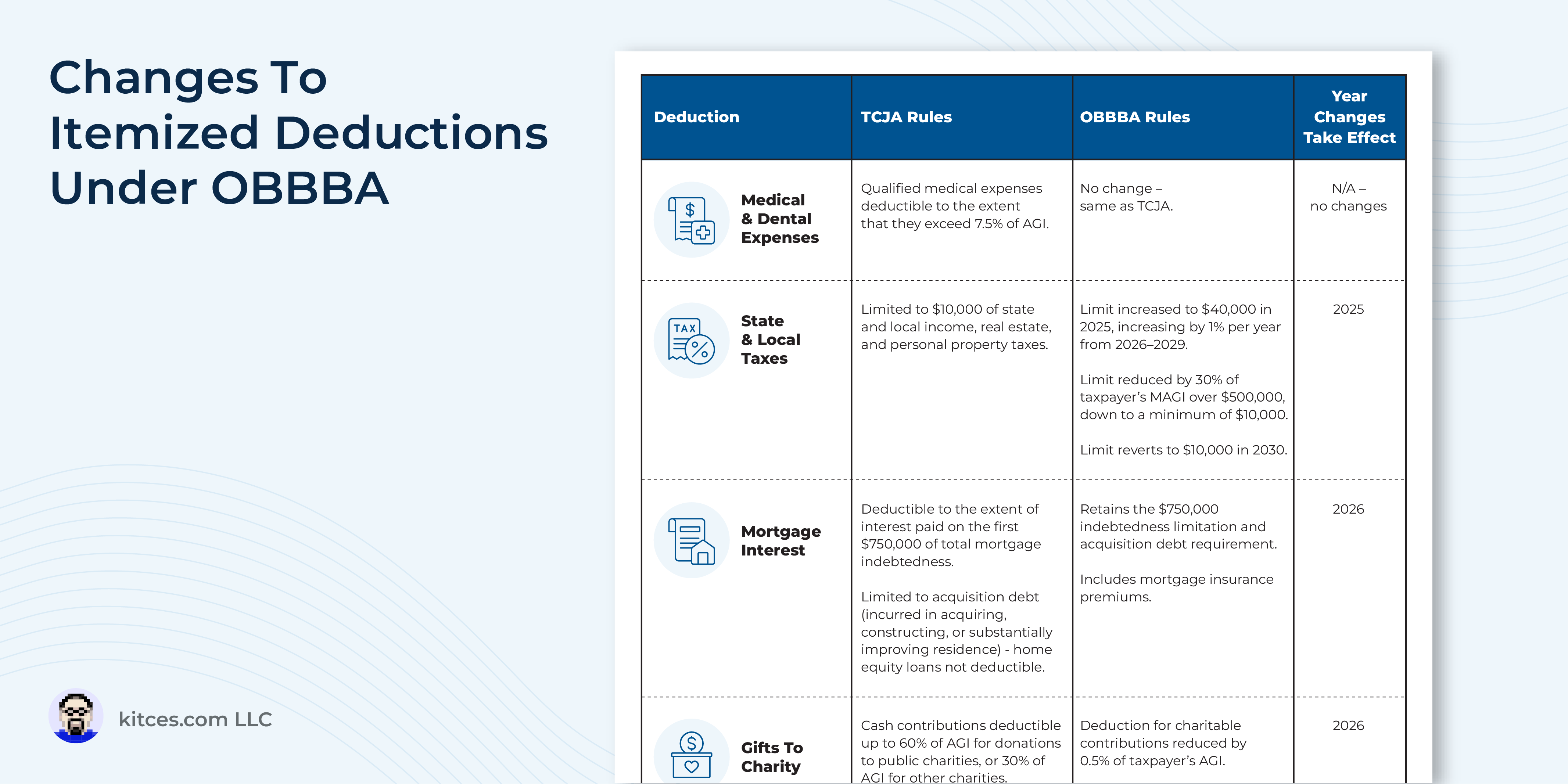 Breaking Down The "One Big Beautiful Bill Act": Impact Of New Laws On Tax Planning – After years of interest over the scheduled sunset of the Tax Cuts and Jobs Act (TCJA) at the end of 2025, the widely anticipated legislation extending and replacing TCJA – also known as the "One Big Beautiful Bill Act" (OBBBA) – was signed into law on July 4, 2025.
At its core, OBBBA makes permanent many of the provisions of the original TCJA, including TCJA's tax brackets, increased standard deduction, Section 199A deduction for Qualified Business Income (QBI), and increased Child Tax Credit. All of these receive minor tweaks but remain substantially the same as they were under TCJA. However, the $10,000 limitation on State And Local Tax (SALT) deductions is temporarily increased to $40,000 under the new law. Higher-income households may see this deduction phased back down to the $10,000 limit, and all households will again be subject to the $10,000 SALT cap beginning in 2030.
Additionally, OBBBA introduces several new below-the-line tax deductions while amending numerous others. The new law introduces a temporary $6,000 deduction for seniors age 65+, deductions of up to $25,000 of income from tips and overtime wages, and up to $10,000 of interest paid on qualifying auto loans. All of these provisions take effect from 2025 through 2028. Among several changes to itemized deductions, the new law most notably introduces a 0.5%-of-AGI 'floor' on charitable contributions, reducing the deductible value of amounts donated to charity. It also imposes a new limitation for taxpayers in the 37% tax bracket, capping the 'value' of itemized deductions to 35% of taxable income.
Ultimately, while many of the individual provisions under OBBBA are relatively minor changes from existing law, together they represent a substantial shift in tax policy – one that adds a significant amount of complexity to tax planning with the number of new deductions, phaseout rules, and effective dates governing OBBBA's provisions!
Converting A Primary Residence Into Rental Property: Tax Strategies To Preserve Gain Exclusion, Defer Gain Recognition, And Leverage Deductible Expenses – For many homeowners, moving to a new residence is a straightforward process of selling one home and buying another. But for clients who choose to keep their former primary residence as a rental, the decision opens a range of complex tax considerations – and, with them, planning opportunities, as converting a home to a rental property fundamentally changes how expenses are treated, how gains are taxed, and how future sales can be structured to maximize tax efficiency.
Once a primary residence becomes a rental, previously personal expenses may become deductible rental expenses. However, the timing of the conversion matters. Routine maintenance and repairs performed after the property is "available for rent" can often be deducted, but similar work done beforehand is generally considered a nondeductible personal expense. Depreciation also begins at conversion, using the lower of the home's basis or fair market value. These upfront expenses – combined with potential delays in finding an initial tenant – can often result in a net loss during the property's early years. But rental losses are generally 'passive' and can only offset other passive income. For individuals with AGI under $100,000 who 'actively participate' in managing the rental, up to $25,000 of losses may be deductible against other income (with the benefit fully phasing out at $150,000). Consequently, documenting expenses and activities such as marketing, screening tenants, or making repairs is essential for maximizing their rental deductions.
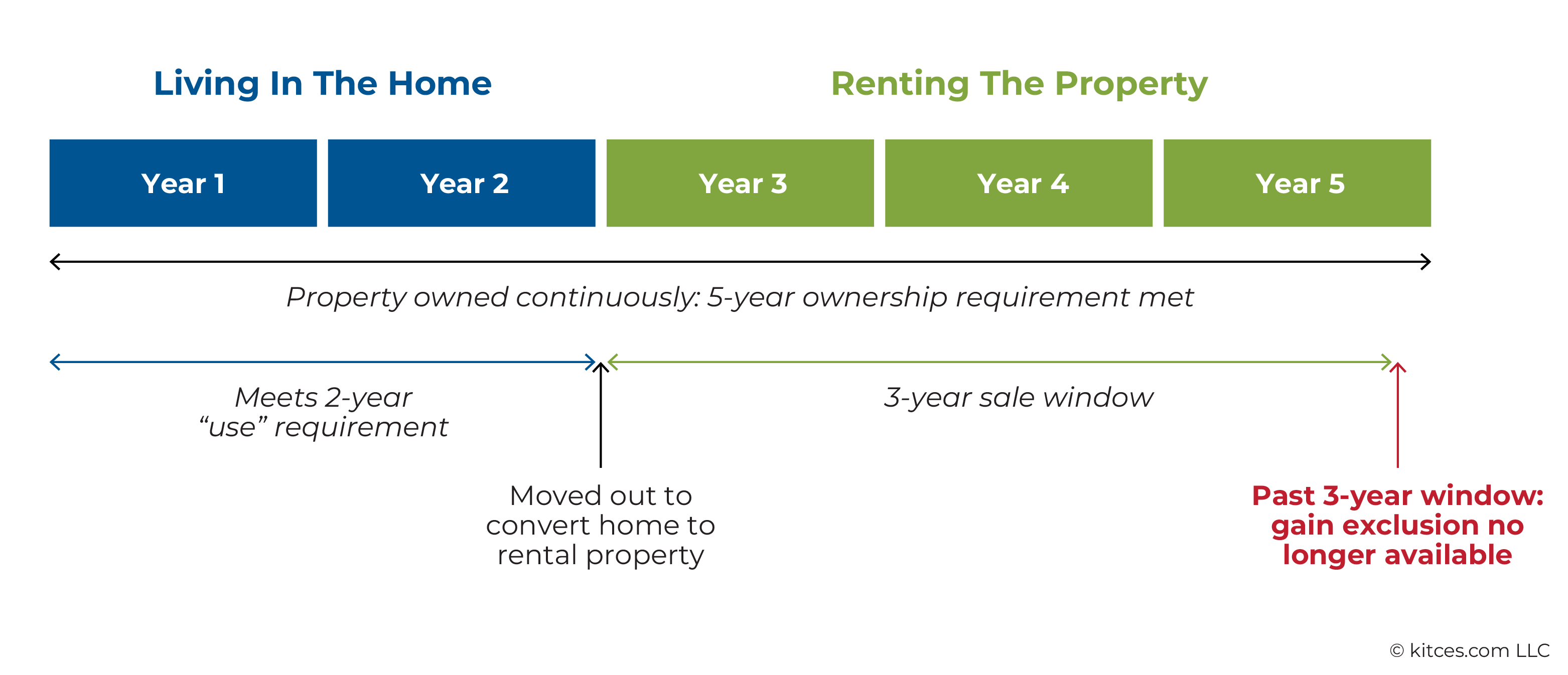
Other tax planning opportunities can center on the $250,000 (single) or $500,000 (joint) primary residence gain exclusion under Section 121, which can remain available for up to three years after the home ceases to be a primary residence. Some individuals may also consider selling the property to a wholly owned S corporation (i.e., owned fully by themselves) before the three-year deadline. This can lock in the gain exclusion, reset the property's basis for depreciation, and preserve (indirect) ownership of the rental – though it may require careful structuring and strict adherence to sale terms to withstand IRS scrutiny.
For clients seeking to defer taxes – whether due to holding the property beyond the three-year gain exclusion window or realizing appreciation in excess of the Sec. 121 exclusion amount – a 1031 exchange can enable a tax-deferred swap into another investment property. And for clients who qualify for both the exclusion and a 1031 exchange beyond the exclusion limit, an "1152 plan" combines the benefits of Section 121 and 1031, offering a hybrid approach: By selling within the three-year window, pocketing the exclusion amount, and rolling the remainder into a like-kind property, clients can effectively 'cash out' the excluded tax-free portion while deferring the remainder. This strategy can be particularly useful for highly appreciated properties or for clients seeking to pass the property on to heirs with a step-up in basis.
In sum, converting a primary residence to a rental can unlock meaningful opportunities – but also potential tax pitfalls. With this in mind, advisors can play a key role by helping clients maximize the deductibility of expenses, preserve gain exclusions, consider S corporation or 1031 strategies, and navigate passive activity loss limitations.
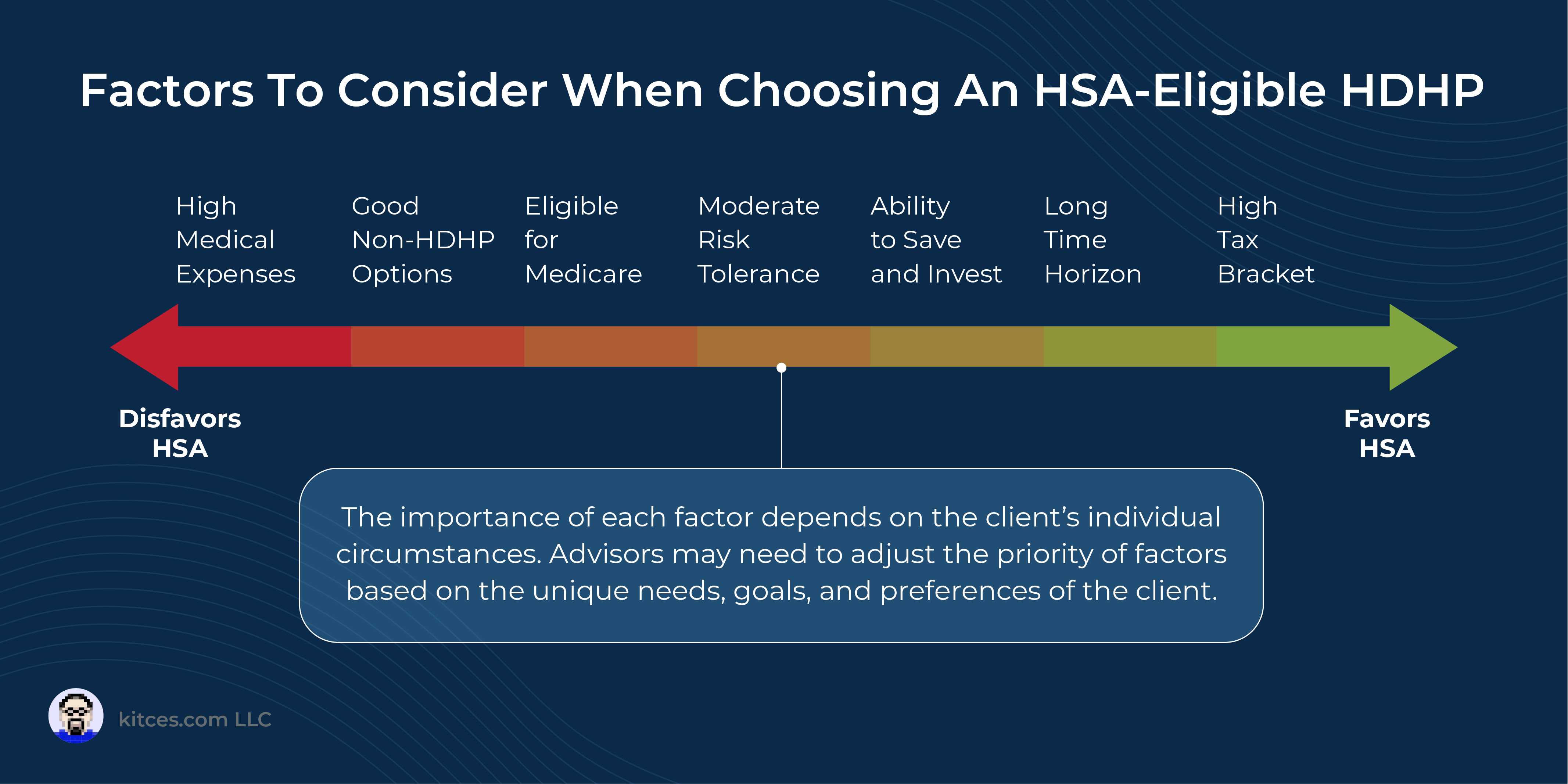
Why Health Savings Accounts (HSAs) Aren't Always Worth The 'Triple Tax Savings' Advantage – Health Savings Accounts (HSAs) have become an increasingly popular tool for financial advisors and their clients due in part to the 'triple tax savings' they offer: tax-deductible contributions, tax-free growth, and non-taxable distributions for qualifying expenses. However, HSAs require individuals to be covered by a High Deductible Health Plan (HDHP), which has tradeoffs compared to traditional health insurance plans.
While HDHPs are often expected to come with higher deductibles than traditional plans, these deductibles may be even higher than they appear. For instance, HDHP deductibles and out-of-pocket limits apply only to in-network coverage, with out-of-network care subject to higher maximums. Additionally, HDHPs typically apply deductibles to nearly all medical services (except preventative care), unlike traditional health plans that often feature fixed copays for prescriptions, specialist visits, and emergency room care. Many HDHPs also use aggregate deductibles, requiring the entire family deductible to be met before coverage begins for any individual – which can lead to higher out-of-pocket costs, particularly when one family member incurs most of the expenses. Traditional health plans, on the other hand, often provide features that make them more attractive for individuals with moderate or predictable medical costs, such as separate out-of-pocket maximums for prescription drugs and other medical services (while HDHPs typically have a unified maximum) or offer tiered health networks that provide discounts for specific in-network providers.
While the 'triple tax savings' of HSAs is one of their most attractive features, those with traditional health plans can also benefit from tax-free premiums, which may result in greater tax savings compared to HDHPs with lower premiums. Clients with traditional plans can also take advantage of Flexible Spending Accounts (FSAs), which allow for tax-free contributions and reimbursements (though, unlike HSAs, any unused funds remaining in the FSA are forfeited at the end of the plan year). Combined with the potential cost savings from lower deductibles and total out-of-pocket costs – which could be invested in taxable accounts – clients with higher medical expenses and in lower tax brackets may find that traditional health plans offer a better balance of savings and healthcare coverage.
Ultimately, while HSAs offer significant tax advantages, advisors can play a key role in helping clients weigh these benefits against the potentially higher costs of HDHPs. By aligning healthcare and financial planning, advisors can demonstrate their ongoing value to their clients by helping them choose the plan that best supports their goals – and their peace of mind – while maximizing both annual and long-term cost savings!
Retirement Planning
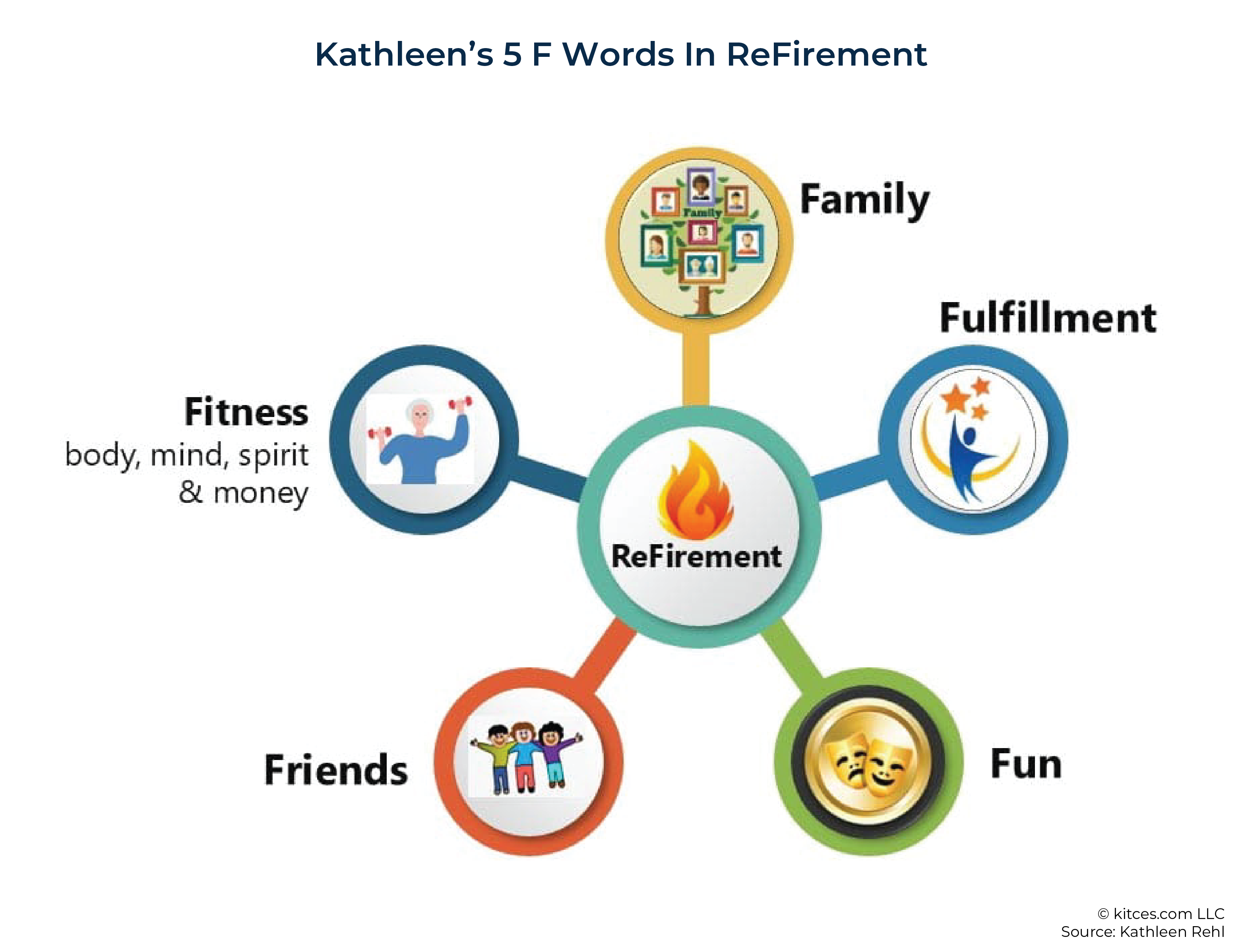
"ReFire" Instead of 'Just' Retire: A Framework To Help Clients Plan For Purpose In Retirement – Retirement has long been associated with leisure, relaxation, and winding down from a long career. But as more individuals confront the emotional realities of this life transition, many find that the absence of structure, socialization, and identity once provided by work can create a gap that traditional retirement planning doesn't fully address.
With this in mind, reframing retirement not as an end, but as a beginning – one centered on fulfillment, self-exploration, and purpose – could be a more effective approach. While the core elements of traditional retirement planning remain (e.g., income streams, cash flow, and lifestyle support), "ReFirement" builds on this foundation to explore evolving values and aspirations, with the goal of living more intentionally. For instance, instead of viewing retirement as a retreat from productivity, clients are invited to see it as a launchpad for creativity, contribution, and personal growth. To help clients move forward, advisors can introduce practical tools that invite personal reflection and visualization. These include growth mindset prompts, values exercises, and legacy planning templates designed to help clients clarify what matters most.
Altogether, ReFirement offers a richer, more expansive vision for what retirement can be – not just a phase of rest, but a new opportunity for growth, contribution, and renewal. By helping clients align their financial strategies with their evolving values and aspirations, advisors can create space for deeper conversations and more rewarding outcomes.
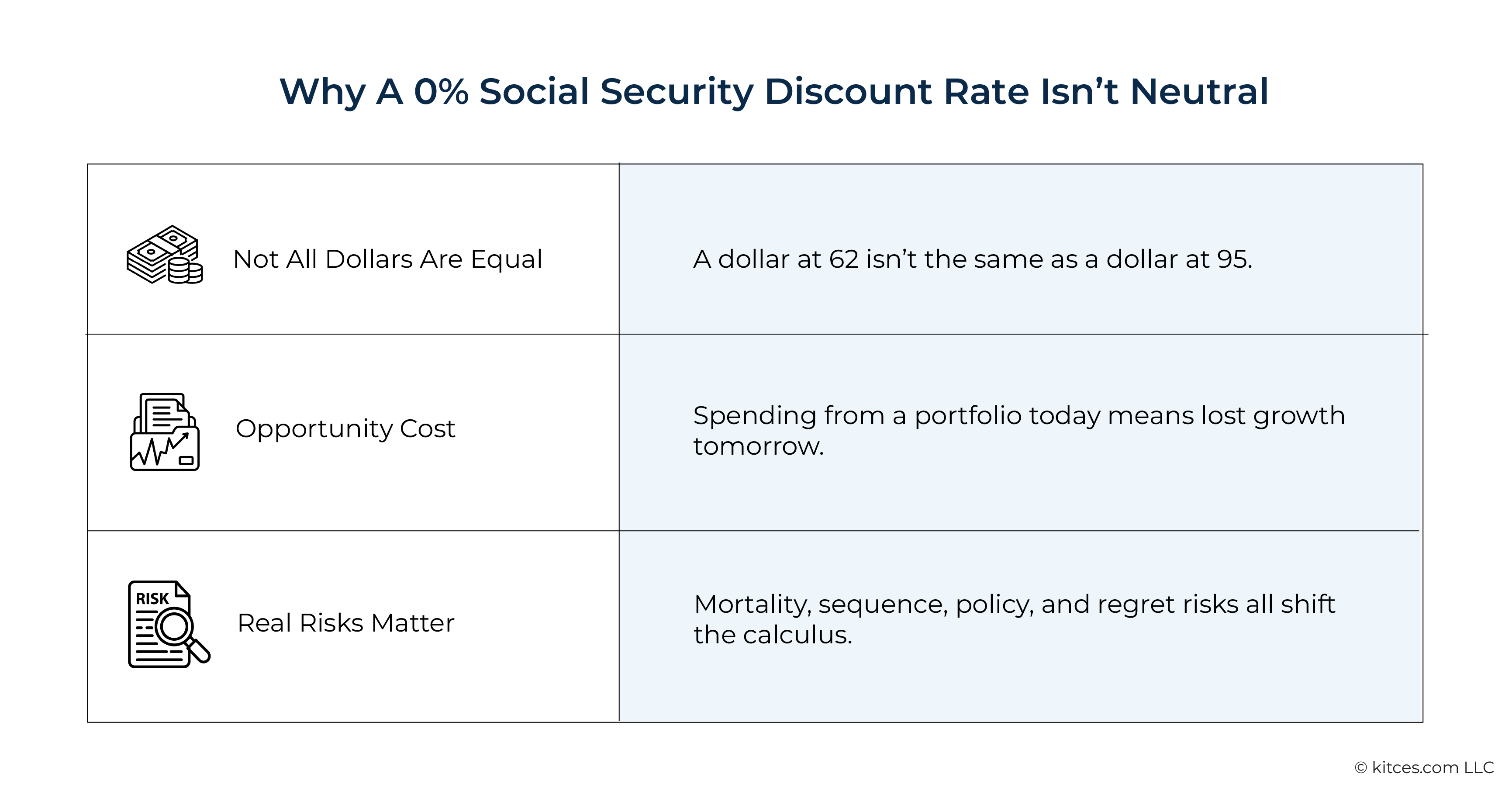
Why Delaying Social Security Benefits Isn't Always The Best Decision – When deciding on the optimal age to claim Social Security benefits, conventional wisdom – backed by much of the academic research – often favors delaying benefits until age 70. This conclusion is rooted in models that rely on expected value: the assumption that the 'best' decision is the one that maximizes lifetime benefits in dollar terms. However, by doing so, they ignore the important concept of expected utility – that is, the value individuals place on outcomes based on satisfaction (or dissatisfaction) those outcomes provide.
An alternative framework begins with the expected real return of the portfolio used to bridge the delay in claiming benefits and adjusts it to account for a wide range of risks unique to the retiree. These include mortality risk (dying before breakeven), sequence of returns risk (amplified by higher early withdrawals when delaying), policy risk (future benefit cuts or tax changes), regret risk (emotional reactions if the 'wrong' decision is revealed in hindsight), and health span risk (spending when retirees can enjoy it most). Behavioral considerations also matter: many retirees spend Social Security income more readily than portfolio withdrawals, which means delaying can increase the risk of underspending – particularly in the early years of retirement.
The key point is that each retiree's situation involves a complex mix of behavioral, financial, and institutional risks that require a personalized assessment when assessing Social Security claiming options. By acknowledging these factors and adjusting discount rates accordingly, advisors can offer more balanced, client-specific guidance – often revealing that early claiming may be a rational and preferable choice, not a mistake as traditional expected value-based analyses may indicate!
Optimizing The Planning Process To Address Challenges For Clients Who Are One Year Away From Retirement – When onboarding new clients, financial advisors often use a three-meeting cadence: a Discovery Meeting to gather information, a Presentation Meeting to discuss the plan, and an Implementation Meeting to finalize it. While this approach works for many clients, individuals who are 12 months away from retirement face a range of complex financial and emotional considerations and may benefit from a more thorough process to address their unique needs, from critical financial decisions to the logistical and emotional challenges of redefining life after work.
An alternative process for this group starts with a conversational approach to uncover nuanced insights into clients' goals and concerns. Subsequent meetings build on this foundation by providing clarity on financial data and priorities, introducing actionable strategies such as retirement income guardrails, and stress testing plans to ensure they remain sustainable under various scenarios. The process also includes critical discussions around estate planning and the emotional and social aspects of retirement, recognizing that this major life transition can involve new goals as clients adapt their purpose and identity to a new lifestyle. Notably, flexibility can be built into the process, tailoring the ten-meeting structure to meet the unique needs of each client, whether they require more detailed exploration or a streamlined approach.
In sum, clients facing major life transitions, such as retirement, can benefit from a deeper and more structured planning process. By providing clients with a clear roadmap for retirement, reducing uncertainty, and providing a sense of control during a pivotal time in their lives, advisors can set the stage for a planning relationship built on trust and long-term collaboration!
Estate Planning
Using Subtrusts To Allow Stretch IRA Treatment For Trusts With Multiple Beneficiaries – Owners of IRAs and qualified retirement accounts might name a trust as the account's beneficiary for a number of reasons, from wanting to have more control over how the account assets are distributed to their beneficiaries to wanting to protect any of their beneficiaries who qualify for means-tested public benefits.
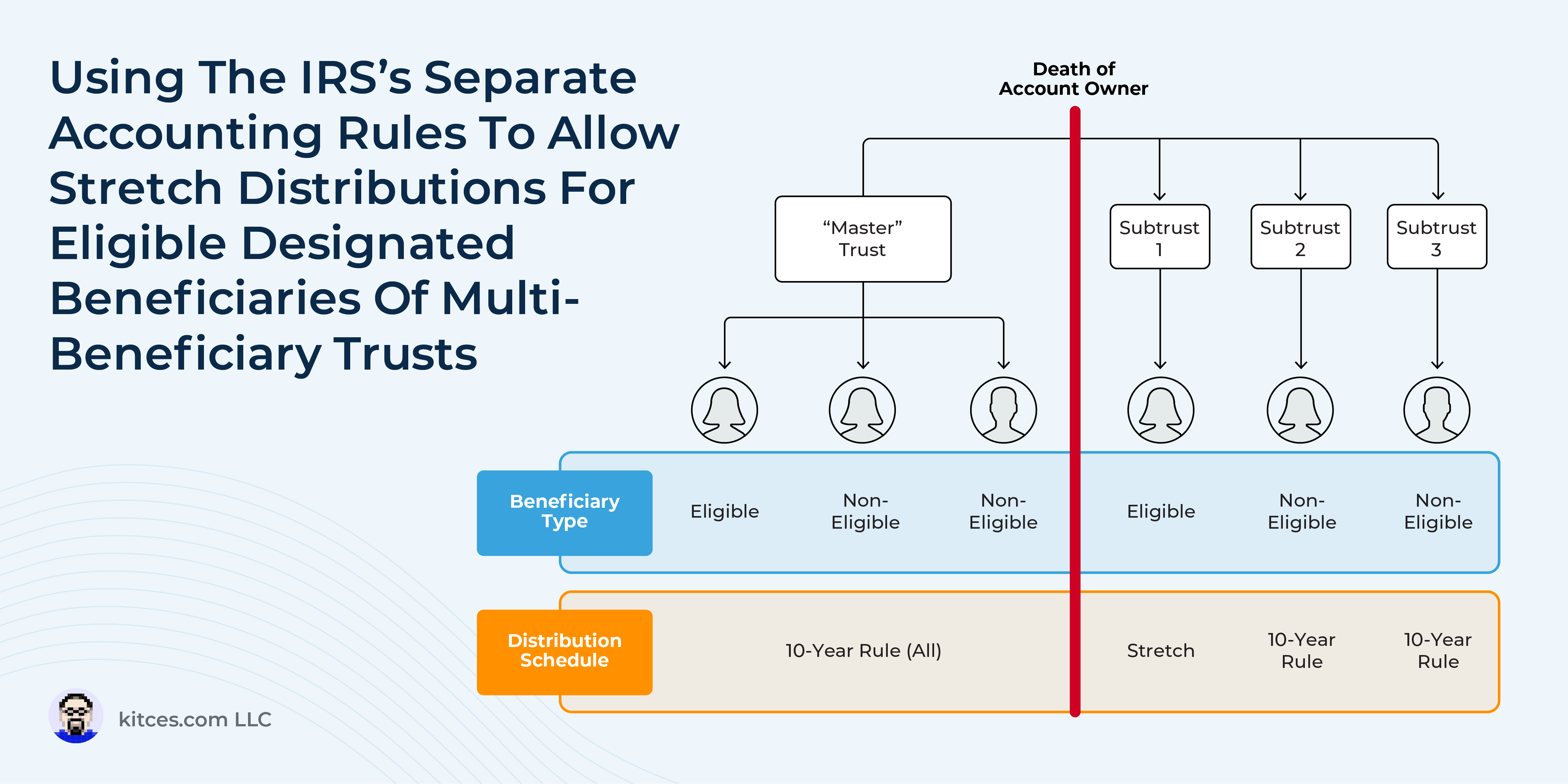
The general rule is that trusts are treated as "Non-Designated Beneficiaries" and therefore must fully distribute the retirement account by the end of the fifth year after the owner's death. However, some trusts – specifically, 'see-through' trusts whose beneficiaries all consist of identifiable individuals – can qualify for the more favorable distribution schedules available to Designated Beneficiaries. The caveat is that no matter how many beneficiaries the trust has, the entire trust will generally be treated as a single beneficiary for distribution purposes. That means the distribution schedule is typically based on the least favorable treatment among all of its individual beneficiaries. Which means that if even one of the trust beneficiaries is a Non-Eligible Designated Beneficiary, then the entire trust is subject to the 10-Year Rule and must be fully distributed by the end of the tenth year after the account owner's death.
However, under new IRS rules released in 2024, if a see-through trust is split into separate subtrusts immediately following the account owner's death, each subtrust can use its own distribution schedule. Which means that if the trust is divided into separate subtrusts for each beneficiary, the Eligible Designated Beneficiaries can each receive "stretch" distributions over their own life expectancy – while only the Non-Eligible Designated Beneficiaries will be subject to the 10-Year Rule (subject to certain requirements, including that the trust document must include a provision to divide the trust into separate subtrusts before the account owner's death).
Altogether, these new rules create more flexibility for retirement account owners who want to name a trust as their account beneficiary while still optimizing the tax treatment of distributions for each of the trust beneficiaries!

What To Do When Gifts To Minors No Longer Fit: Adjusting UTMAs, 529 Plans, And Trusts When Family Goals Don't Align – Parents often want to ensure their children have the resources to pursue their potential and lead fulfilling lives. To achieve this, financial support may start at a very young age, allowing for a longer growth horizon and, in many cases, serving tax and estate planning purposes. However, once a child reaches the age of majority, they may not always be in a position to manage assets responsibly. In these cases, parents may wish to adjust how gifted assets are structured to better align with their family's long-term goals.
In cases where an original gift to a minor no longer aligns with the family's goals, parents may consider restructuring or redirecting the assets. One option is to spend down Uniform Transfers to Minors Act (UTMA) assets on non-essential expenses for the child, such as summer camps or a car, while avoiding expenses like food and housing that fall under the parents' legal support obligation. Parents could also transfer UTMA assets into a UTMA 529 plan, which limits the child's ability to use funds for non-educational purposes. In some cases, converting UTMA assets into a 2503(c) trust may provide additional safeguards by granting the beneficiary a brief window (usually 30 to 60 days) to withdraw funds upon reaching age 21. If the beneficiary does not exercise this right, then the assets can remain in trust for continued protection and oversight. For parents who have already made a gift through an irrevocable trust, including a power of appointment provision may offer added flexibility, permitting distributions to be redirected to another individual or adjusted based on changing circumstances.
Ultimately, the key point is that gifting assets to a child can be a powerful way to provide for their future, but flexibility is crucial. By choosing flexible savings options from the outset or, when necessary, adjusting previously funded UTMAs or trusts, advisors can help ensure that gifted assets serve their intended purpose: supporting the child's future in a way that aligns with the family's long-term financial and estate planning goals!
Extending Inherited IRA Distributions Beyond 10 Years By Naming Intentionally Non-Designated Beneficiaries – Before the SECURE Act was passed in 2019, non-spouse heirs who inherited IRAs could 'stretch' Required Minimum Distributions (RMDs) over their own single life expectancy, often allowing inherited accounts to last for decades. The SECURE Act replaced that treatment with a 10-Year Rule for most non-spouse beneficiaries, who must now fully deplete their inherited accounts within 10 years, typically much sooner than under the stretch rules would have allowed. Yet, in rewriting the law, Congress left one category of beneficiaries unchanged: Non-Designated Beneficiaries (NDBs).
For NDBs, the maximum account lifetime is either five years if the account owner died before their Required Beginning Date (RBD) – the point when RMDs must begin – or the decedent's remaining single life expectancy (reduced by one each year and rounded up) if the account owner died on or after their RBD. Which means that after the owner's RBD, an NDB may potentially be allowed to deplete the account over a longer period based on when the owner dies – unlike Non-Eligible Designated Beneficiaries (NEDBs), who face a fixed 10-year window to empty the inherited account.
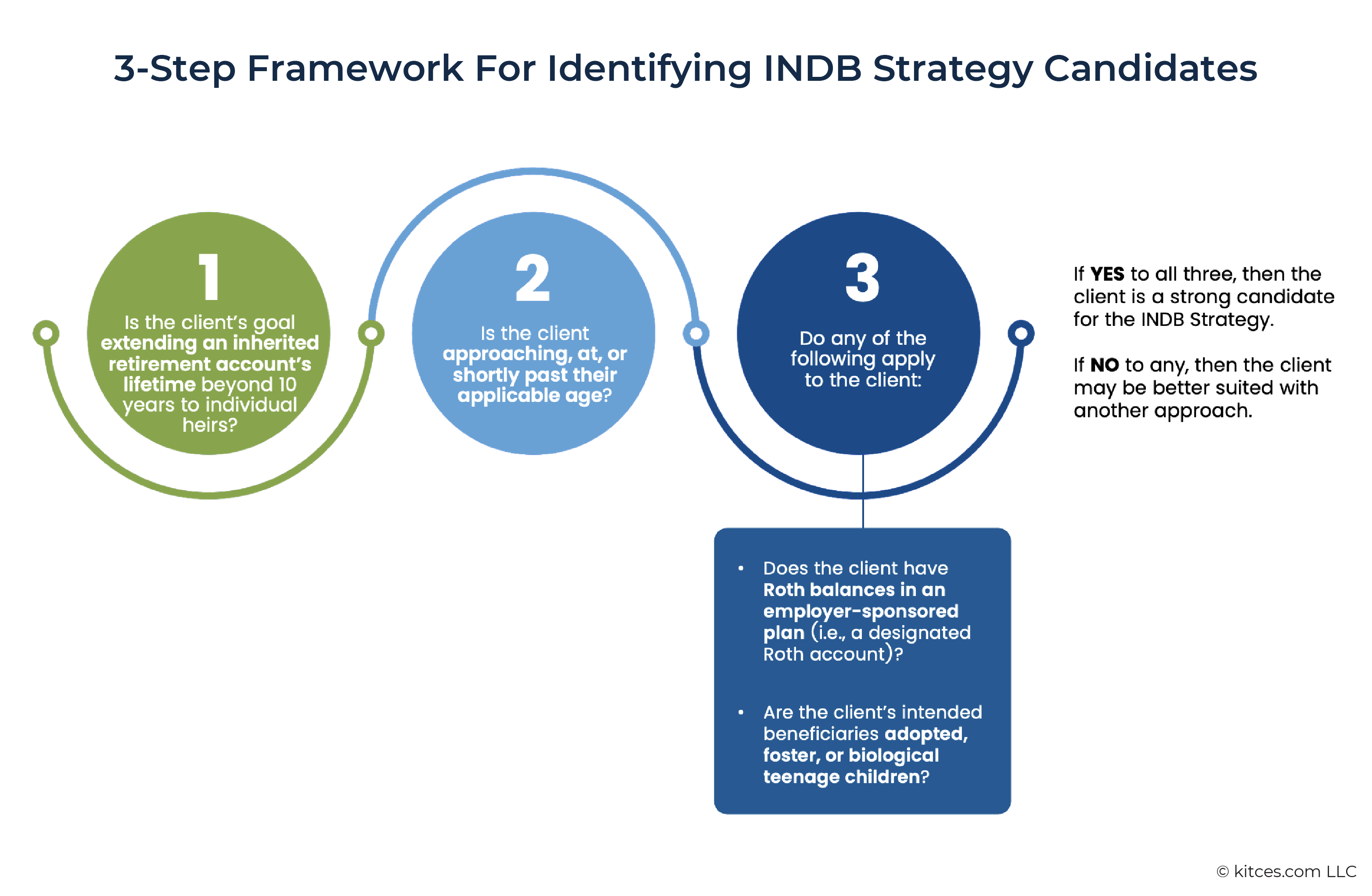
Importantly, once the owner survives past their RBD, the distribution schedules for NDBs are tied to the owner's remaining life expectancy – which, in the early post-RBD years, can exceed the 10-year rule by as much as five years. At that point, deliberately naming specific beneficiary designations, certain types of trusts, or even the owner's estate (all of which can make the heir an 'Intentional' NDB, or INDB) can stretch the payout period well beyond what an NEDB would receive. Still, as the owner ages and their remaining life expectancy shortens, NDB treatment eventually results in a shorter payout period than the 10-Year Rule – making it advantageous to revert back to an individual (i.e., NEDB) designation. Also, given that even under ideal circumstances, an INDB's annual RMDs for the first nine years will always be larger than under NEDB rules (front-loading taxable income), a cost-benefit analysis based on each client's unique circumstances is essential.
In the end, the INDB Strategy can potentially extend the distribution period by up to 50%, giving heirs more time and flexibility in managing cash flow and taxes. And because the strategy's success depends on understanding the IRS timing and rule constraints, financial advisors can play a critical role in both determining when it's appropriate and helping clients implement it effectively!
Client Trust And Communication
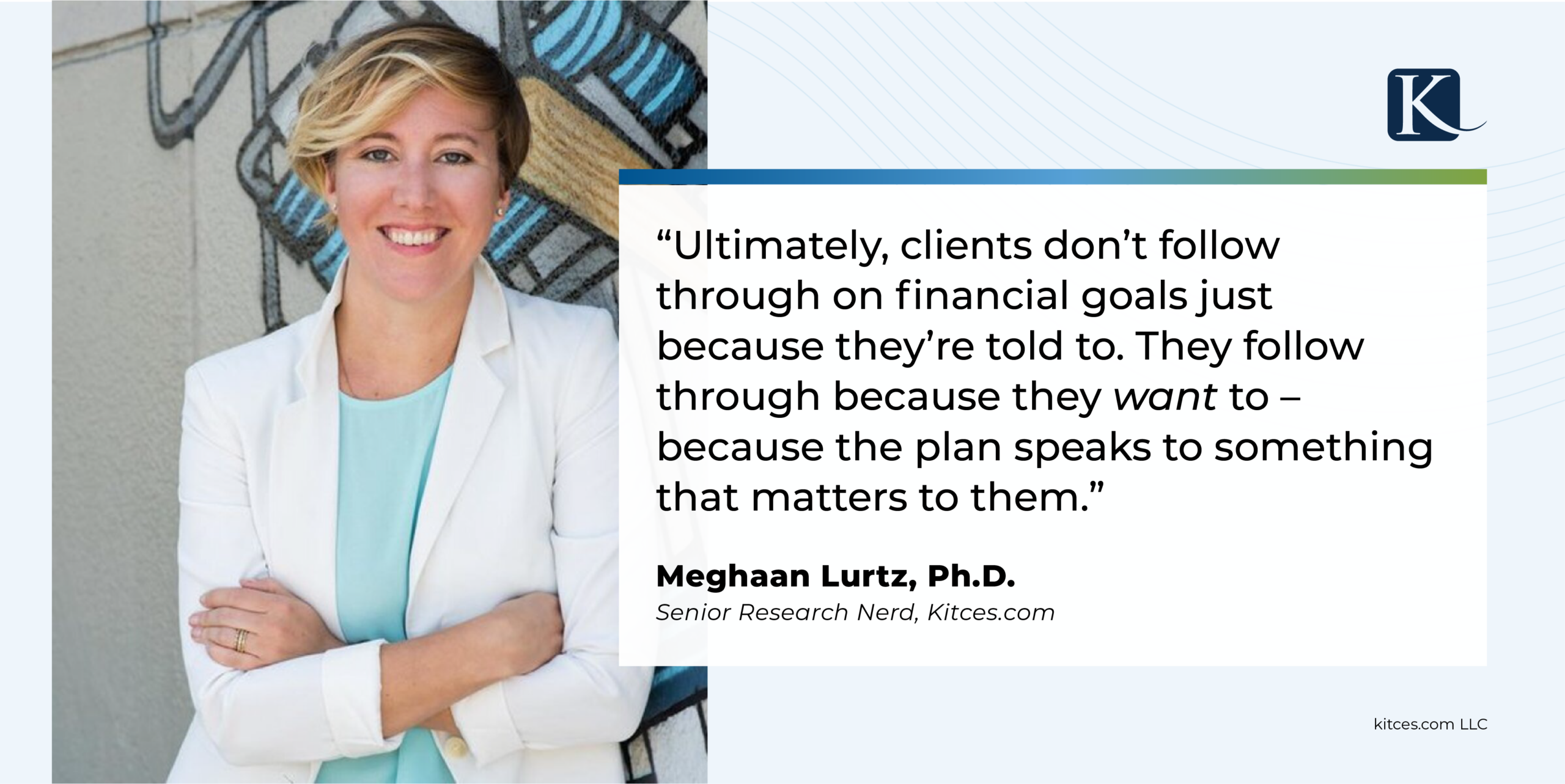
Six Discovery Meeting Questions To Find Clients' (Real) "Why" And Set Goals That (Actually) Resonate – For many financial advisors, an early planning conversation often includes asking clients to identify financial goals. But when clients are still emotionally weighed down by an immediate pain point – the source of their stress or uncertainty that led them to seek out their advisor in the first place – their ability to articulate meaningful long-term goals may be limited.
One potential approach to this situation is to start with the immediate stressor – the problem that brought the client in – and wait to develop an inspiring financial plan built on deeper vision-building during a second or third monitoring meeting. By then, the client has had a chance to feel some initial relief and develop trust in their advisor, creating the space for deeper reflection and more personally resonant goals. In these later conversations, advisors can use carefully timed questions to guide clients into a more expansive mindset – exploring what their ideal life might look like, the kind of legacy they hope to leave behind, or the meaningful experiences they haven't yet had. Advisors can then transition to asking questions like, "What's one change you could make today that moves you toward that vision?", allowing the client to identify a single, manageable step they can take now.
In sum, the best financial plans don't just help clients save more, spend wisely, or retire on time – they spark excitement for what's ahead. When clients can see what's possible and feel truly connected to that vision, follow-through becomes less of a task and more of a natural next step. And when advisors make space for those conversations – not too early, but at just the right time – planning stops being a checklist and starts becoming something transformational!
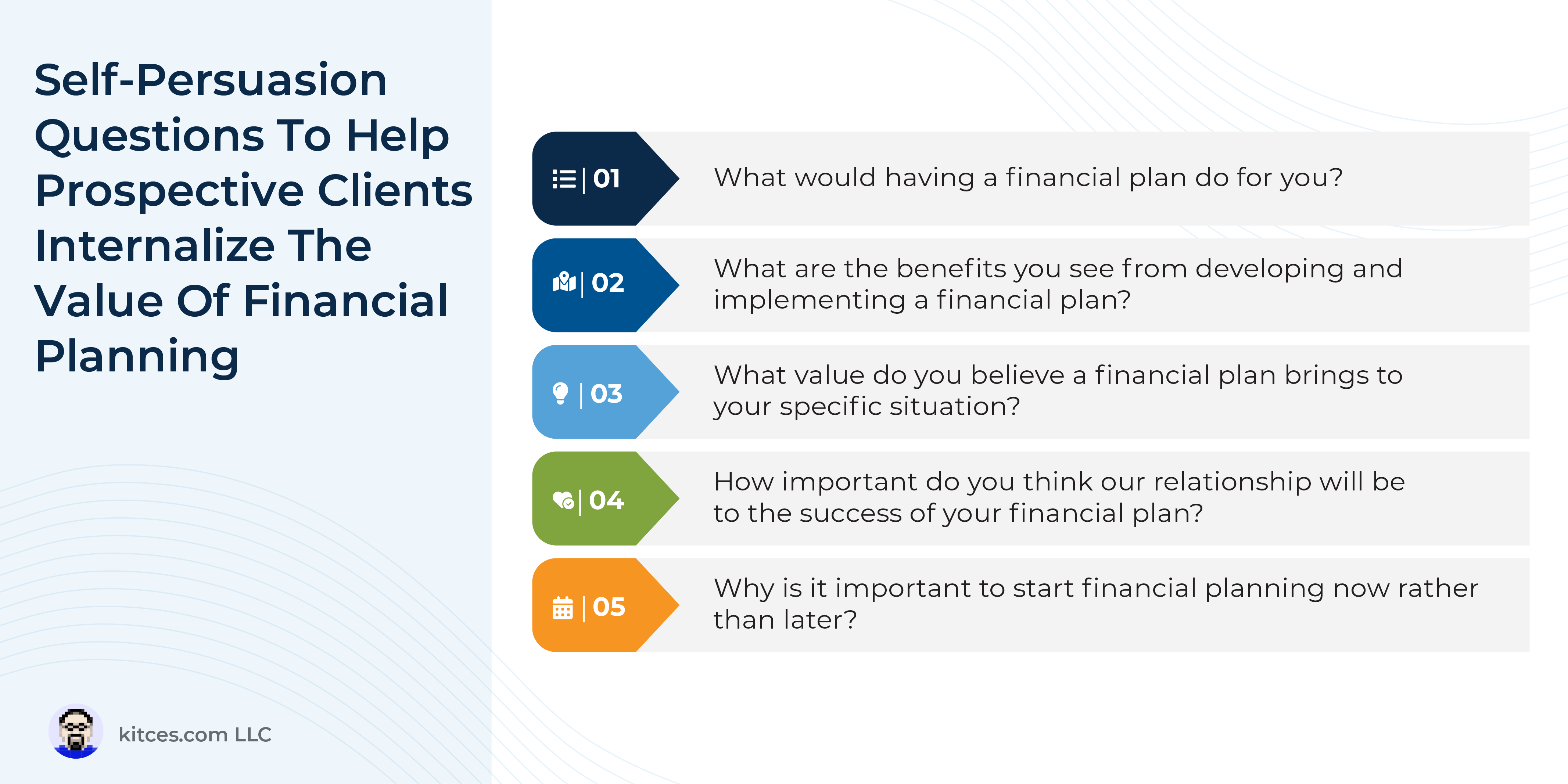
Five "Self-Persuasion" Questions To Connect With Prospects Who Say They're Interested... But Aren't Moving Forward – Some prospects approach an advisor with an immediate 'problem to be solved', such as a fast-approaching retirement date, while others might feel ambivalent about the timing, relevance, or ultimate value of working with an advisor. Which creates a unique challenge: How can advisors guide ambivalent prospects toward making a decision without coming across as too pushy?
The first step is to recognize what these types of prospects may be seeking. Rather than immediate solutions, they are often looking for reassurance that they are 'on track' and a collaborative relationship that empowers them to feel confident about their financial future. For these clients, connection and understanding are often more important than problem-solving, and advisors who focus too quickly on identifying potential future issues risk alienating these prospects. Instead, acknowledging their ambivalence as a natural part of the decision-making process can help create space for them to discover the value of financial planning on their own.
One effective way to facilitate this self-discovery is through self-persuasion questions. These questions invite prospects to explore and articulate their own reasons for taking action, guiding them gently through the decision-making process. For instance, asking a prospect what benefits – whether financial, relational, or emotional – they see in developing and implementing a financial plan can prompt them to reflect on the deeper reasons that brought them to an advisor in the first place.
The key point is that self-persuasion questions are powerful tools for connecting with prospects who don't have an immediate pain point to be addressed. By encouraging prospects to articulate their own reasons for seeking financial advice, advisors can help them recognize its value and build the confidence needed to take action!
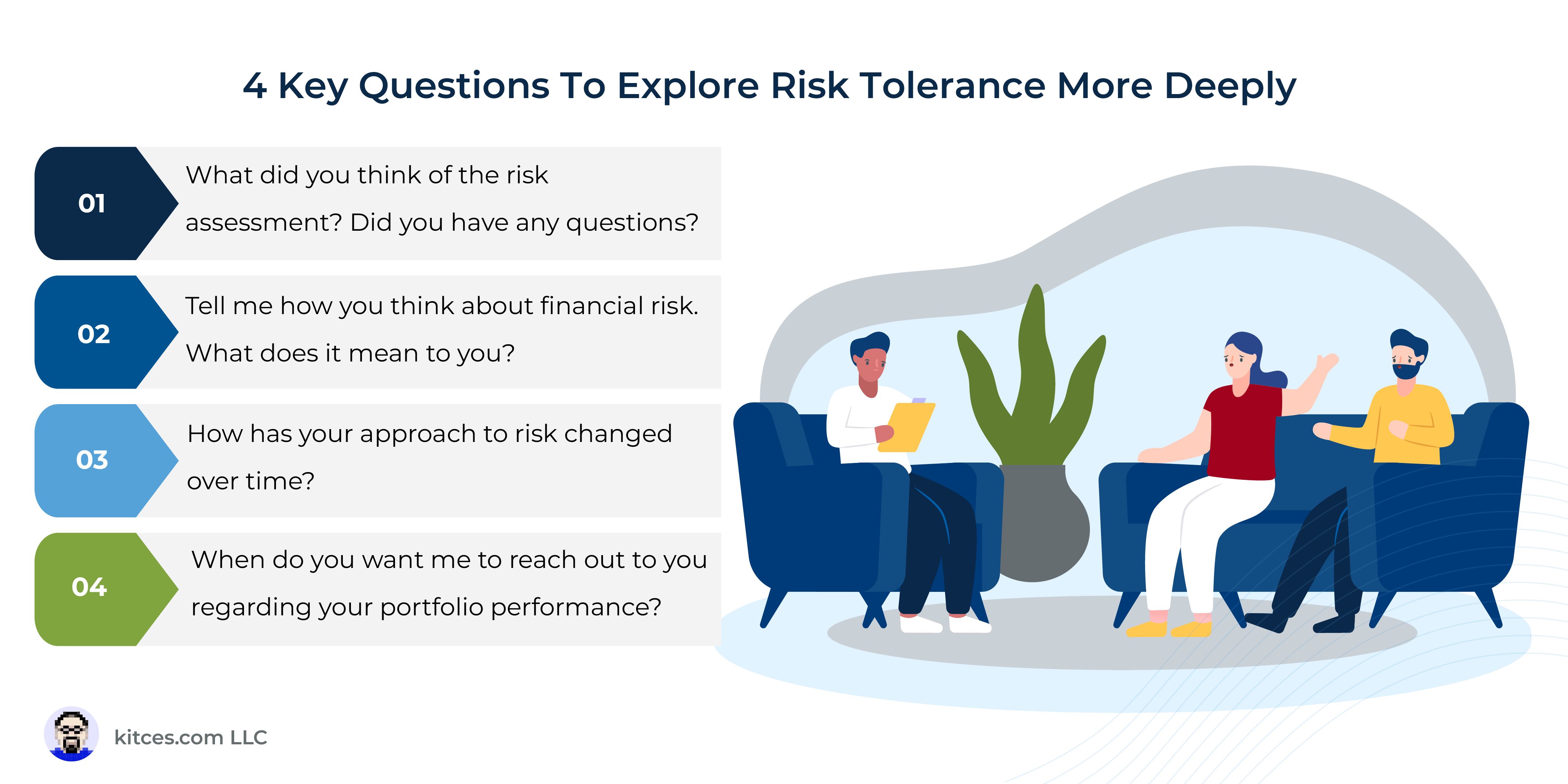
Four Questions To Discover 'Actual' Risk Tolerance Differences In Couples – Measuring a client's risk tolerance is both an art and a science. Notably, these dynamic complexities multiply when working with couples, where each partner has unique preferences and traits and may influence the other's risk-taking behaviors.
Risk tolerance questionnaires alone often fail to capture the full picture of a couple's risk dynamics, because while each partner may have distinct preferences and traits, their financial decisions are rarely made in isolation. However, risk tolerance assessments can serve as a valuable tool for building goodwill with both partners – and setting the stage for long-term financial harmony. As a starting point, individual psychometric risk assessments can help identify two key considerations: whether there's a gap between a client's individual questionnaire score and their stated goals, and whether there are significant differences in risk tolerance between the two partners.
Advisors may want to ask what the client thought about the risk tolerance assessment, encouraging each partner to share their perspectives on financial risk, their past behavior with risk-taking, and their personal 'story' of risk, which can help the advisor better understand how each partner approaches financial decision-making. These conversations also offer an opportunity to discuss preferred communication styles about financial matters (especially in response to market performance).
In sum, a couple's risk tolerance is shaped by a combination of personal history, future concerns, and the ways that partners influence each other. Navigating differences in risk isn't a one-time evaluation but an ongoing conversation. And by proactively addressing these dynamics, advisors can help couples build confidence in their financial decisions and create a strong foundation for collaboration over time!
Advisor Marketing
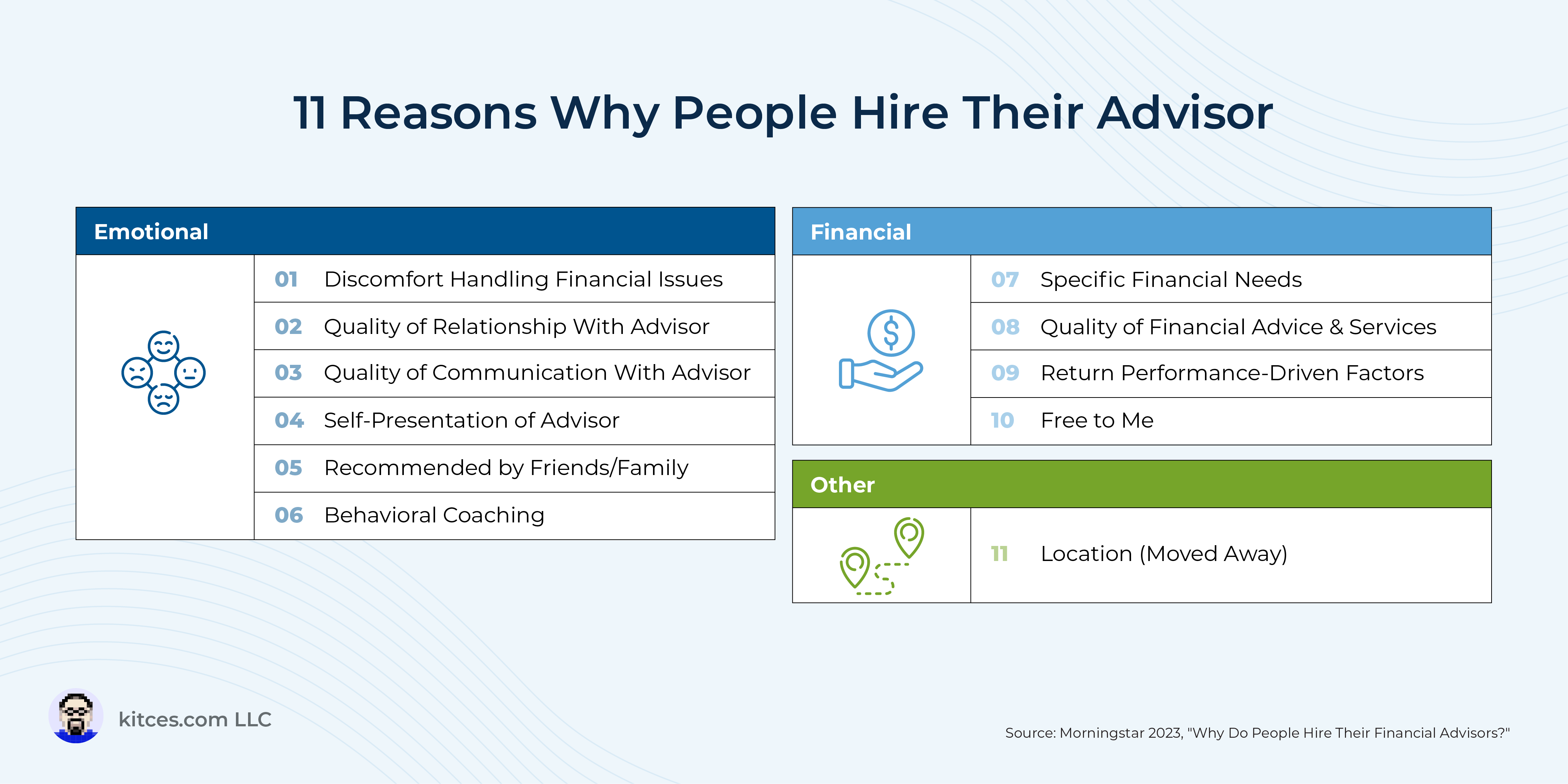
11 Reasons Why People Hire Advisors (And How To Communicate That Value To Prospects) – Given how little time prospects spend evaluating their options when it comes to choosing a financial advisor, it's crucial to understand why people hire financial advisors and to communicate how their services address those drivers as clearly and effectively as possible.
Researchers at Morningstar identified 11 core motivators that influence how prospects choose their particular advisor. These motivators fall into three categories: emotional, financial, and situational ("other"). To connect with prospects motivated by emotional drivers, advisors can consider strategies that make it simple for prospects to get a 'feeling' for the firm (e.g., success stories and case studies) Financially motivated prospects, meanwhile, benefit from clarity and specificity (e.g., spotlighting the firm's tax, retirement, and investment management services). Finally, for clients who prioritize a local presence, local SEO strategies can make a tremendous difference in boosting visibility among prospects seeking in-person engagement.
Ultimately, refining an advisor's messaging is an ongoing and iterative process. What resonates today may evolve as a firm's ideal clients shift or as market conditions change. Which means that soliciting real-time feedback from prospects about what stood out or prompted them to reach out can be an invaluable source of input for continuous improvement!
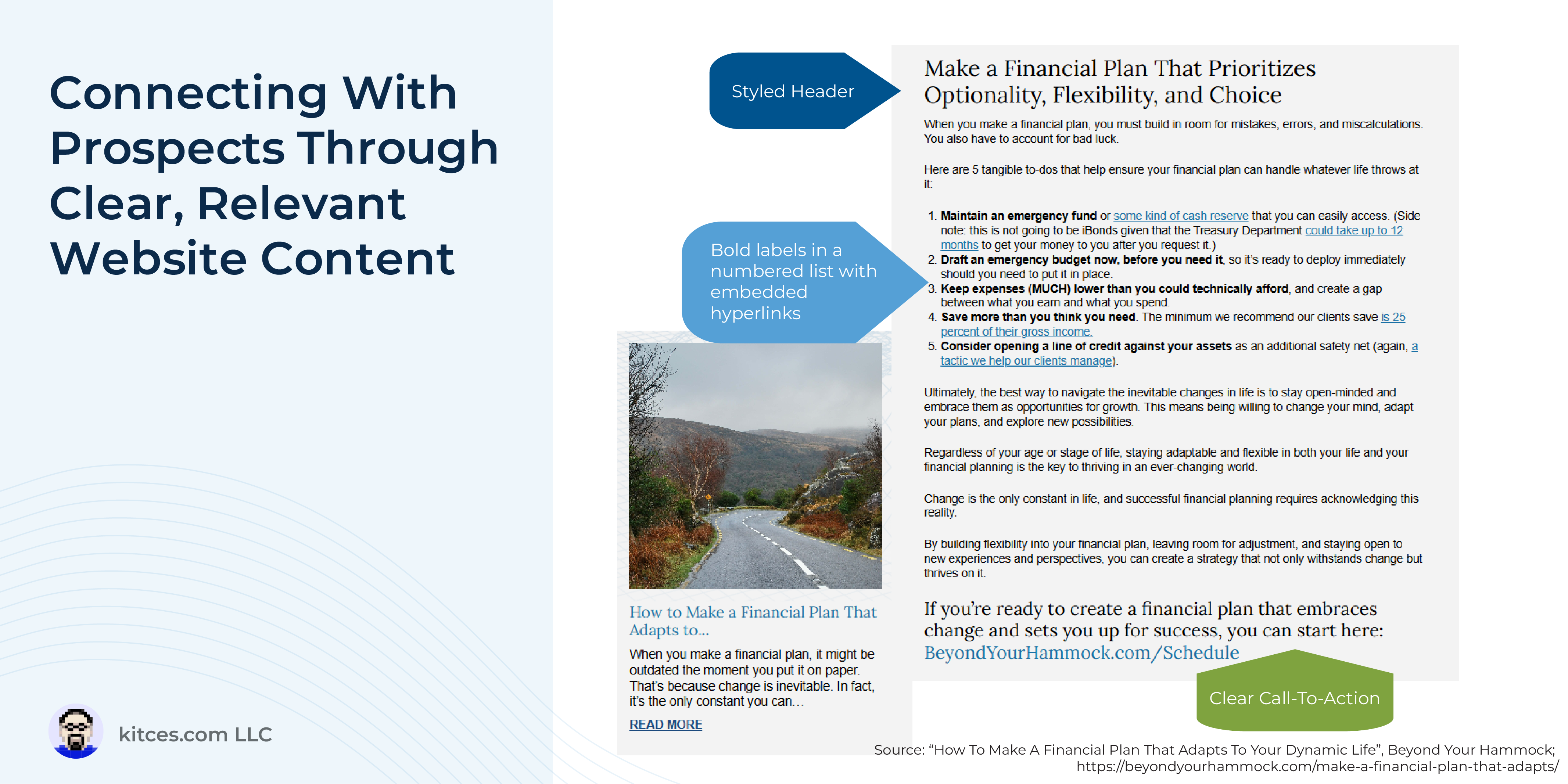
Turn Website Visitors Into Clients: A Structured Content Marketing Framework For Better Lead Generation – An advisory firm's website often serves as the hub for attracting new clients, with various forms of content acting as 'spokes' that attract prospective clients to the firm. But for many advisors, the hardest part of creating a content marketing strategy is knowing where to start. Without a structured approach, content creation can cost the advisor valuable time without leading to meaningful leads.
With this in mind, the AIDA (Awareness, Interest, Desire, Action) framework, which outlines the stages of a prospect's decision-making process, could help advisors create a clear, effective content marketing strategy. The first step of the AIDA process, Awareness, centers on helping prospects recognize the firm's existence (e.g., through blogs, videos, or podcast episodes that address common pain points of the firm's ideal client. Once a prospect's attention has been captured, the next step is to build Interest by encouraging them to explore their problem in more depth (e.g., offering high-value content such as white papers or in-depth articles while requesting the prospect's contact information in exchange).
As prospects learn more about how the firm can address their specific concerns, they may begin to develop a stronger Desire to engage. At this stage, building trust is essential. Firms can showcase credibility by providing client testimonials, case studies, and success stories that illustrate how they have helped others achieve similar goals. Finally, at the Action stage, prospects are ready to decide whether to engage with the firm. A well-structured process page on the firm's website can provide clarity on next steps, reinforce the value of working with the firm, and establish clear expectations for the advisor-client relationship (also, a simple, compelling Call To Action (CTA) – such as a scheduling link, contact form, or direct phone number – helps guide prospects toward taking the final step).
In sum, a well-designed website, built with lead generation in mind, can be one of an advisory firm's most powerful tools for attracting and converting highly qualified prospects. The key lies in creating a thoughtful, targeted content strategy that meets prospects where they are – guiding them from initial Awareness to taking Action!
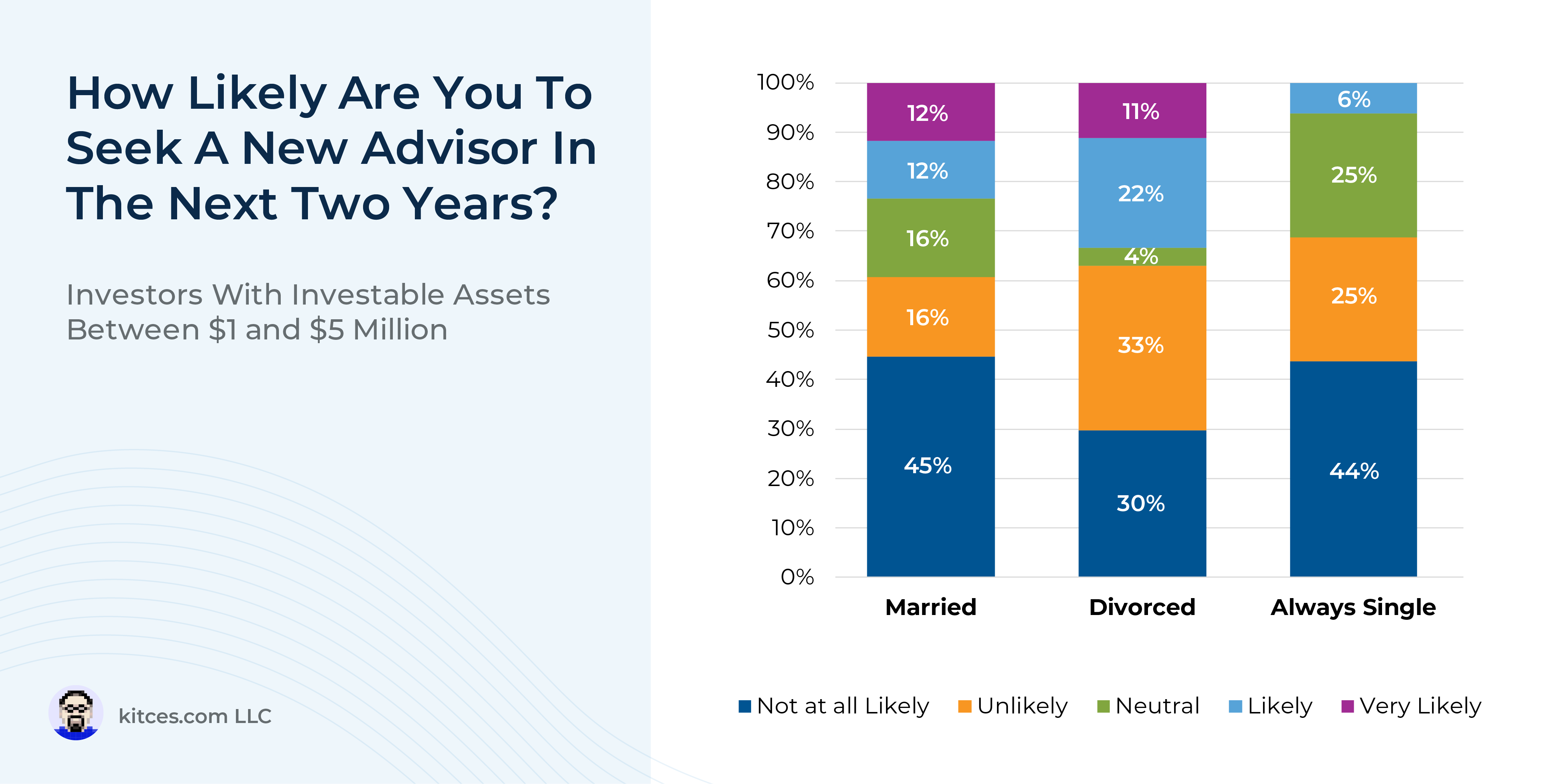
How People Choose An Advisor... And Who's Looking For A New One – One of the more intriguing challenges in advisor marketing is that the qualities that attract new clients aren't always the same ones that make long-term advisor-client relationships 'stick'. In other words, while current clients may value certain advisor traits over time, new prospects – who are often still exploring their options – may prioritize something entirely different.
According to survey data from the Ensemble Practice of investors with $1-$5M in investible assets, while only 6% of 'delegators' are likely to hire an advisor in the next year, 24% of investors currently working with an advisor are considering a switch within that timeframe (suggesting that while firms might spend significant time and/or money on attracting new clients, dedicating resources to boosting client retention could be a worthwhile investment). Notably, prospects who are already in (or who have recently left) advisory relationships tend to have more specific preferences, often shaped by what hasn't worked for them in the past (e.g., significant market downturns resulting in portfolio losses). While advisors can't prevent these events, they can prepare for them by identifying the potential risks and proactively communicating during times of change.
Ultimately, the key point is that advisors may benefit not only from targeting new prospects but also from appealing to current clients who may be quietly considering a change. With this in mind, being transparent and specific about the firm's philosophy, structure, and approach (and communicating this proactively) can go a long way in helping both types of clients find the right fit!
Practice Management
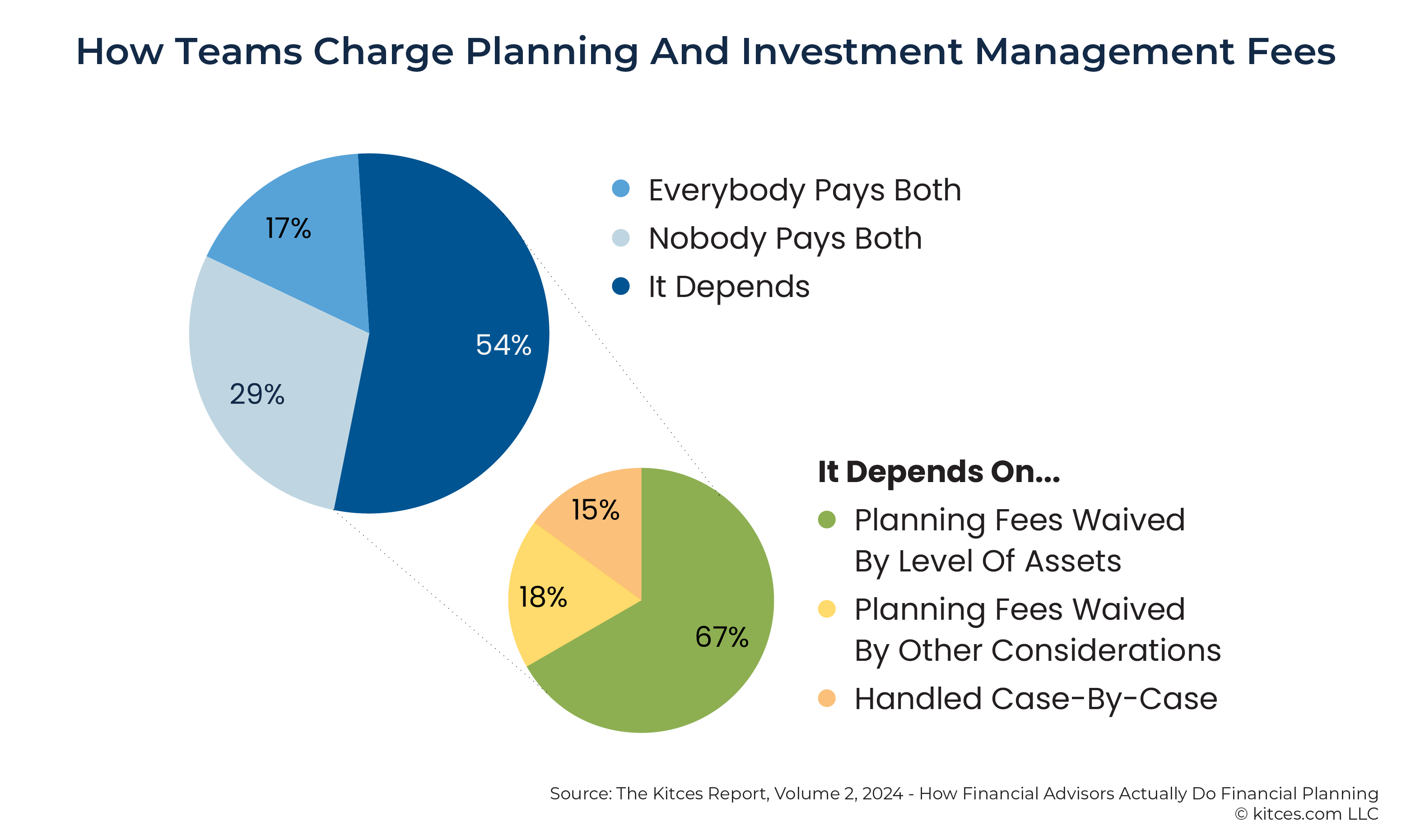
How Financial Advisors Actually Charge For Their Services – As financial advicers have expanded their services beyond traditional planning into more holistic, personalized advice, the very definition of financial advice has evolved. As a result, firms must continually reassess how they structure their fees to align with their growing range of services.
According to Kitces Research on How Financial Advisors Actually Do Financial Planning, 86% of advisory firms still rely on AUM fees as their primary method of charging for advice. While this model remains widespread, firms have adopted different ways of structuring their AUM fees to align with their service models and client needs. For instance, graduated and cliff pricing structures – which apply tiered or blended rates as assets grow – help balance costs across different client segments. These structures can also help advisors remain competitive on pricing, which may explain why 58% of firms use graduated fee structures, making them the most common pricing approach.
Despite its widespread use, AUM-based pricing has its limitations – it exposes firms to market risks and restricts the types of clients they are able to serve. To mitigate this, some firms 'unbundle' their fees, separating investment management, financial planning, and other services into distinct project-based, hourly, or retainer fees instead of covering everything under a single AUM fee. Notably, across nearly all client segments, research finds that the total fees charged by advisors who offer bundled and unbundled services tend to be nearly identical, suggesting that unbundling could be a viable way to make financial advice more accessible to clients with smaller portfolios. Another way firms reduce reliance on AUM fees is by using multiple charging methods, such as combining AUM fees with project-based or retainer fees. In fact, 72% of advisory firms use more than one charging method, allowing for greater flexibility in serving a broader range of clients.
In the end, as financial planning becomes more comprehensive and customized, fee structures are evolving to reflect this shift. In addition, a wider range of fee structures could help firms serve a more diverse client base by expanding access to financial advice, which has traditionally remained concentrated in high-net-worth households!
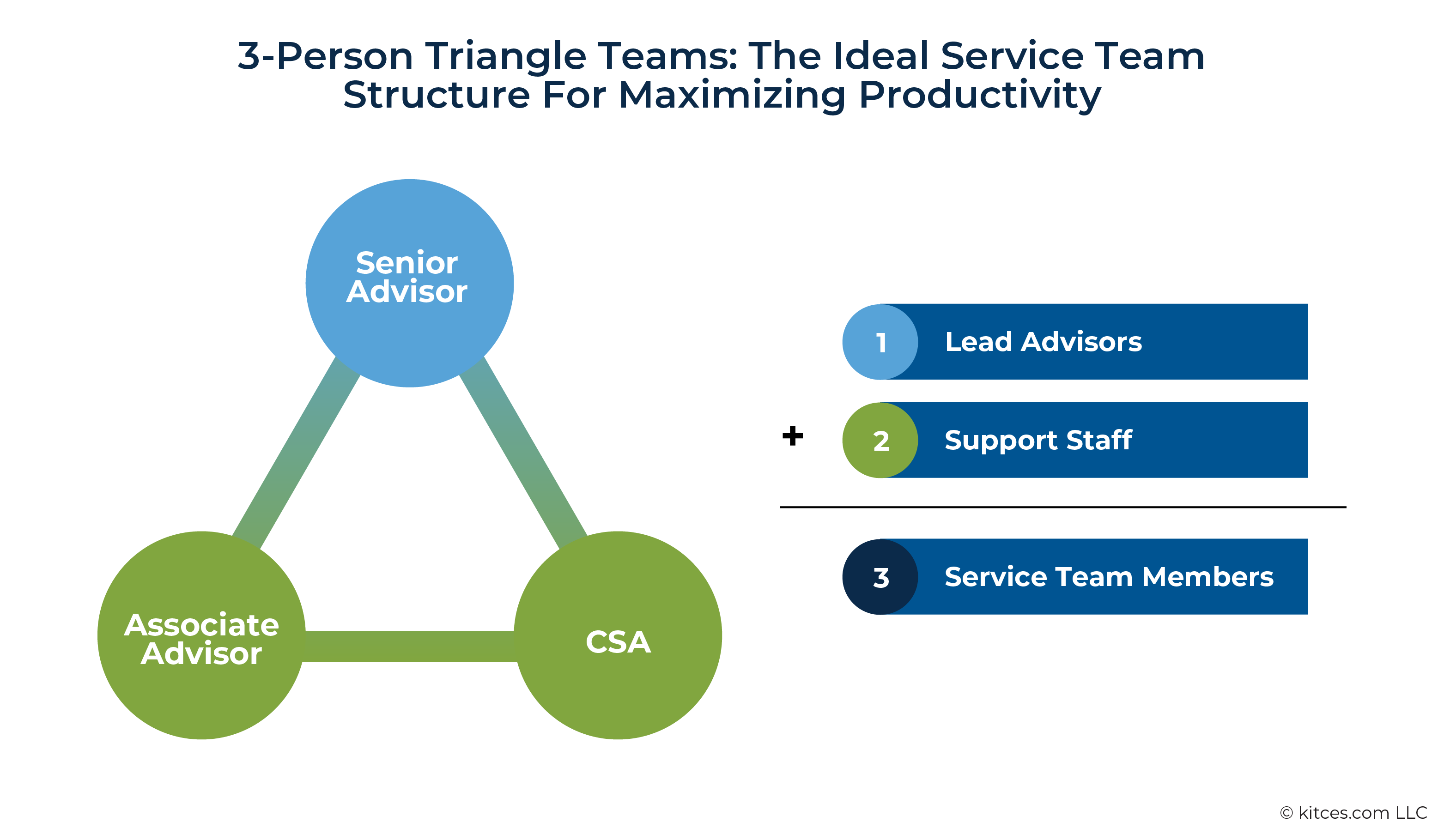
How 3-Member "Triangle Teams" Maximize Per-Advisor and Per-Employee Revenue (Latest From Kitces Research) – The smallest advisory firms – especially those run by unsupported solo advisors – often find that early success brings growing operational demands that strain their time, energy, and wellbeing. Yet after adding team members to grow their firms, many advisors discover that their capacity challenges are replaced by new inefficiencies stemming from the need to coordinate across multiple people, leaving them without the calendar control they had hoped to gain.
According to Kitces Research on How Financial Advisors Actually Do Financial Planning, the three-member "Triangle Team" – consisting of one lead advisor and two support staff, typically a Client Service Associate and an Associate Advisor – tends to be the most effective team structure for maximizing productivity. The typical Triangle Teams produce an impressive $1.2 million in average revenue per advisor and $412,000 per employee, outperforming all other team configurations, which add Service Advisors but results in lower productivity per advisor and per employee.
For solo or two-member practices, moving toward a 1+2 Triangle Team structure can be a strategic path to growth. Hiring a CSA first, followed by an Associate Advisor, can significantly boost productivity – if timed between the "profitability wall" (when hiring becomes financially viable) and the "capacity wall" (when help becomes urgently necessary). At the same time, larger teams that aren't positioned to reduce headcount can still improve efficiency by implementing systematized workflows and quarterly client service calendars.
Ultimately, while three-member Triangle Teams can be a powerful model for enhancing productivity, each firm has the opportunity to define the team structure that best supports its unique mission and the lives its advisors want to lead.
Career Development
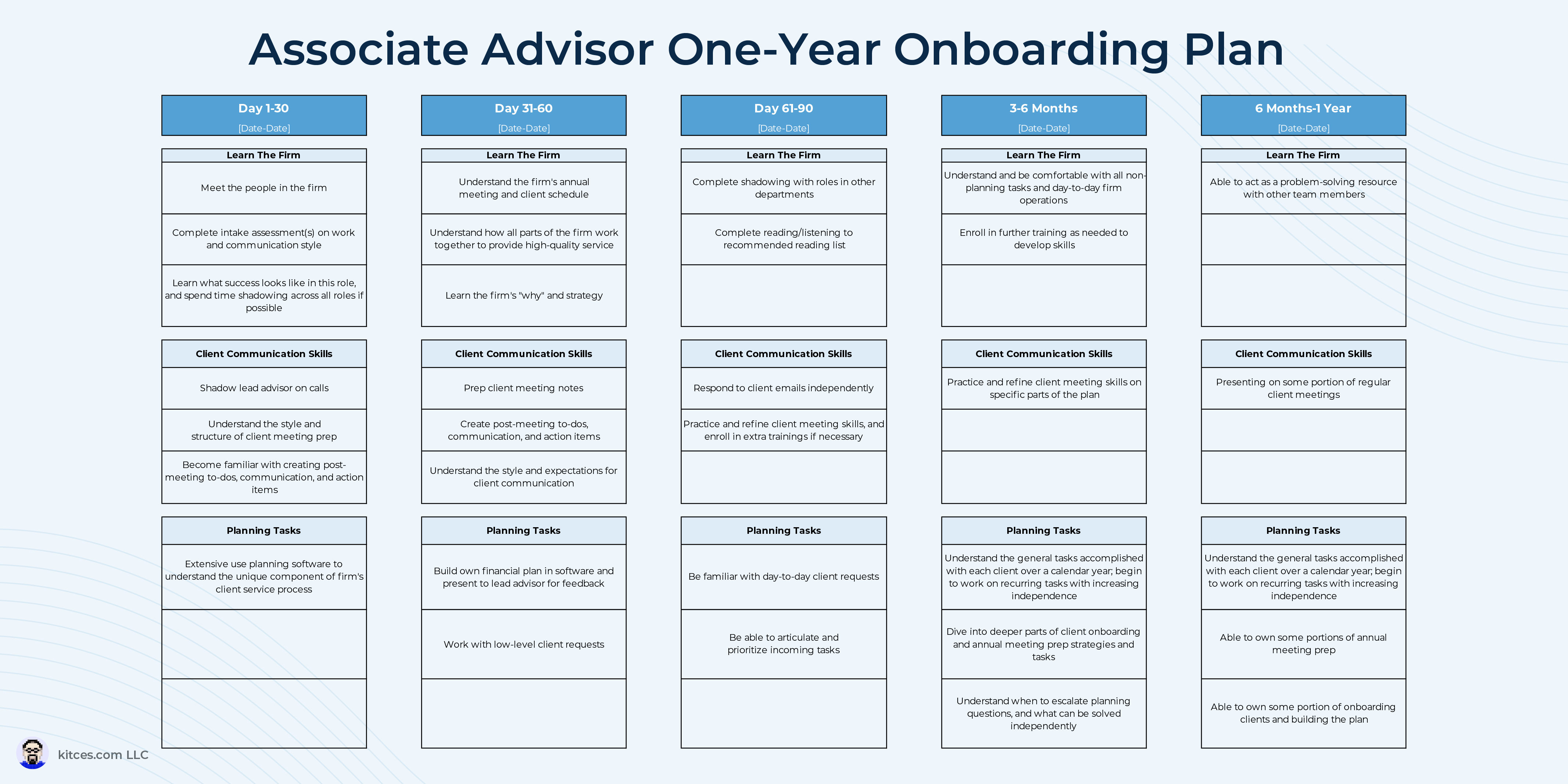
From New-Hire To Confident Advisor: Structuring A First-Year Associate Advisor Onboarding Plan To Develop Technical And Client Skills – New associate advisors not only need to learn about the firm they're joining but also the hard and soft skills needed to deliver high-quality advice. And for smaller firms – especially those with little to no experience onboarding new advisors – creating a well-paced financial plan can feel daunting. However, a structured and flexible onboarding plan not only helps an associate advisor ramp up efficiently but also ensures a smooth transition into an autonomous and fulfilling role.
A few key principles can make the onboarding process smoother for both the associate advisor and their manager. First, clarity: both the advisor and manager should be able to clearly define the core financial planning skills that a new hire is expected to develop in their first year. Second, measurable progress: the plan needs objective standards and measurable benchmarks so that everyone can track development and stay accountable. Third, balanced structure and flexibility: while the plan should serve as a clear 'guiding star' for the new advisor, it also needs room for adjustments as the advisor's strengths and preferences emerge.
One effective way to structure the onboarding process is to organize the skills that the associate advisor will ideally learn in their first year into key categories – such as client communication skills (e.g., meetings, email communication, and phone calls) and technical skills (e.g., building an initial financial plan) — and then include these in an onboarding template, which can be used to review the plan during check-ins to assess progress, identify challenges, and highlight what feels most fulfilling in the role.
The key point is that while onboarding associate advisors is often a highly individualized process in small firms, a clear, structured onboarding plan ensures managers and associates stay focused on the big picture as the advisor learns and takes on new responsibilities at a sustainable pace. Ultimately, a little planning, a collaborative attitude, and strong communication (with a good sense of humor!) can go a long way in developing confident, competent, and autonomous advisors!
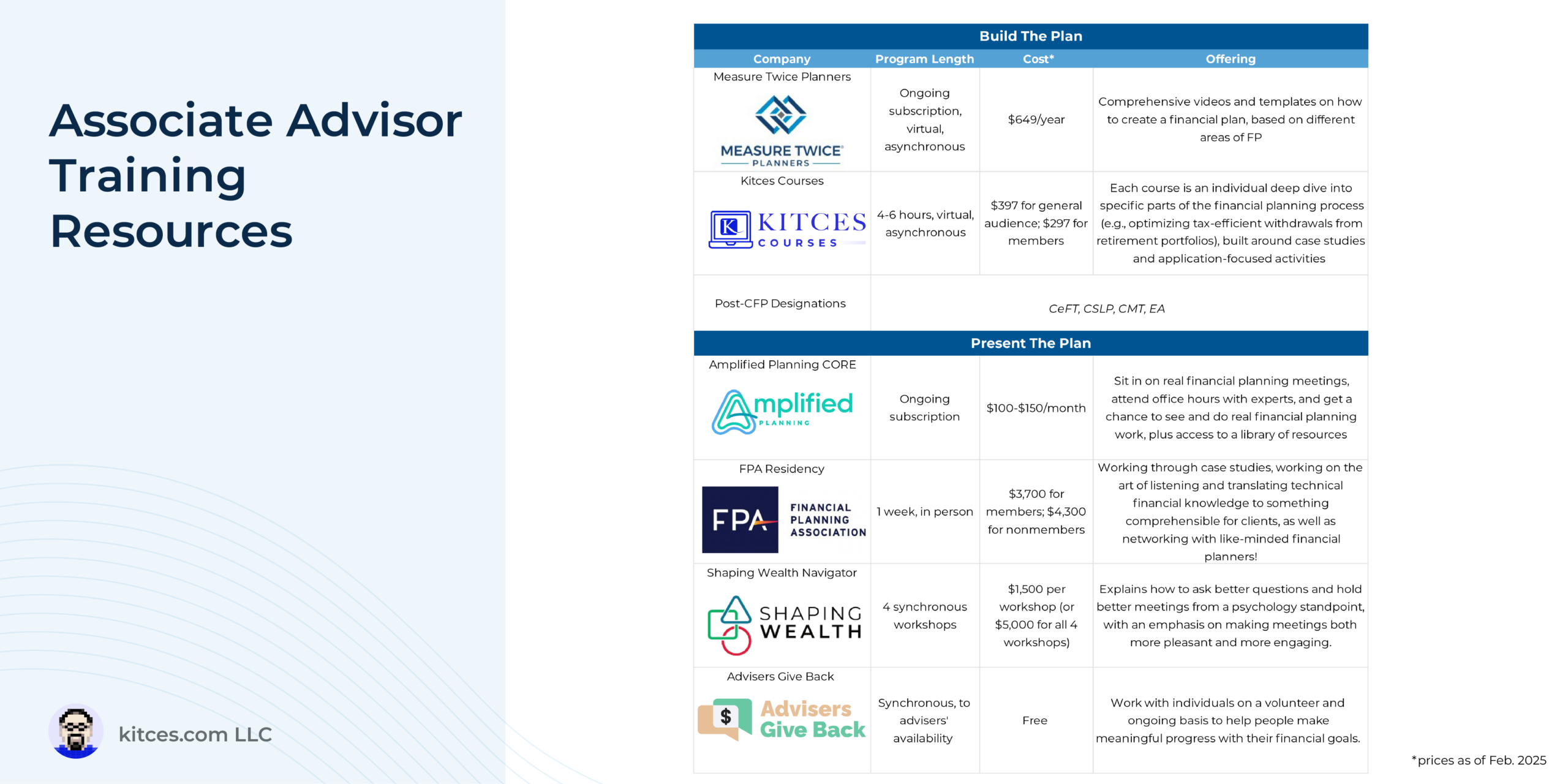
Training Resources And Programs To Help New CFPs Gain Real-World Expertise: The Small-Firm Guide To Associate Advisor Development – To develop the skills and confidence needed to engage in real-time client interactions, associate advisors often rely on shadowing lead advisors and other team members, completing supervised work, and participating in debriefs. However, this approach requires significant time and energy – particularly in small firms that lack a dedicated training infrastructure.
For these smaller firms, outsourcing portions of advisor training can be a practical alternative, offering associate advisors structured learning opportunities in a lower-stakes environment while also preserving the lead advisor's time and minimizing risks to client trust. One category of training programs focuses on building financial plans and helps advisors refine their decision-making skills, work through case studies, and develop confidence in crafting comprehensive financial plans. The second category focuses on delivering financial plans, centering on client communication skills. These programs help advisors build trust, navigate difficult conversations, and confidently present recommendations – all within a controlled, lower-stakes environment. Whichever type of program is chosen, managers might consider many factors, including whether the program is open-ended or time-bound, asynchronous or synchronous, and whether training takes place during work hours or personal time (while also ensuring the manager and employee are aligned on expectations).
Ultimately, the key point is that associate advisors can gain critical skills and confidence outside their firm's direct training structure. A strategic investment in external training can help new advisors build up their technical ability, client meeting skills, and overall confidence as they continue to enhance the quality of the financial advice they deliver throughout their careers!
General Planning
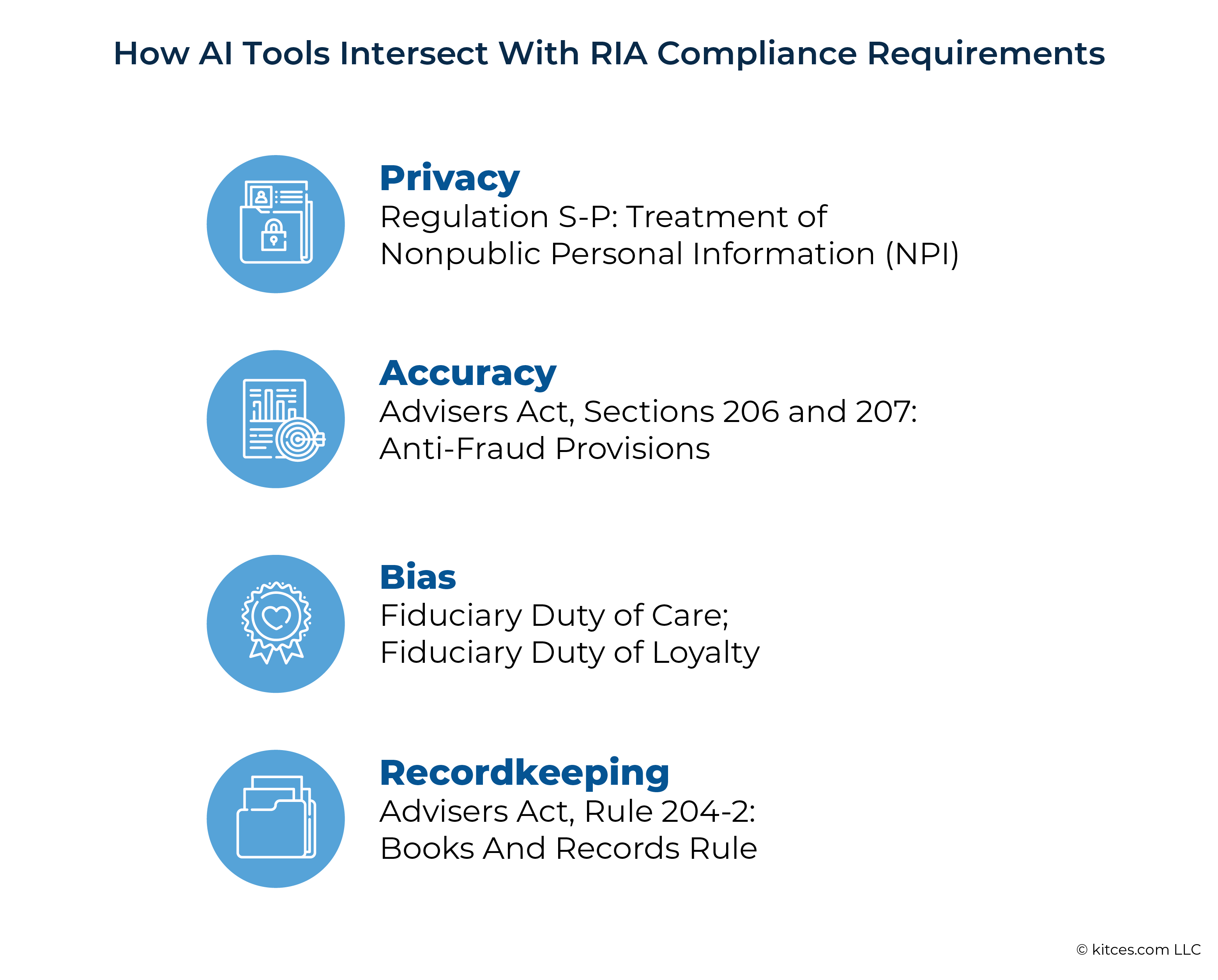
Major Compliance Risks When Using AI Tools (And Best Practices To Mitigate Them) – In the absence of clear regulatory requirements for how to use Artificial Intelligence (AI) tools, RIAs have been largely left on their own to figure out how to address challenges associated with protecting client privacy, screening out inaccurate or biased data, and maintaining necessary books and records. However, this doesn't mean that AI tools must be avoided altogether. With appropriate due diligence and training, firms can benefit from the time-savings potential of AI while also managing associated compliance and security risks.
Mitigating risks starts with understanding how AI tools process, store, and secure user data. Tools that do not retain or train on user data are generally preferable, and firms can prioritize enterprise-grade solutions that offer configurable access controls and auditing features. Internal policies can further reduce risk by requiring pre-approval for AI tool use, training employees to avoid submitting sensitive client information, and using redaction tools to strip Nonpublic Personal Information (NPI) from prompts before submission.
Beyond these safeguards, firms can train employees on prompt engineering techniques to improve the relevance and accuracy of AI outputs, as well as on how to recognize and monitor for signs of bias in AI's output that may unintentionally influence advice or skew the tone of client-facing content. Recordkeeping is another key compliance obligation. Also, under the SEC's Books and Records Retention Rule, RIAs must preserve documentation that supports client advice and decision-making, including AI-generated meeting notes, marketing content, and investment analyses.
In the end, while AI tools offer transformative opportunities for increasing efficiency and scale, they also require a thoughtful approach to ensuring compliance with an RIA's fiduciary and other regulatory obligations. RIAs that invest in due diligence, training, and oversight can confidently harness the power of AI to enhance client service while maintaining the high standards of trust, care, and diligence that their clients and regulators expect.
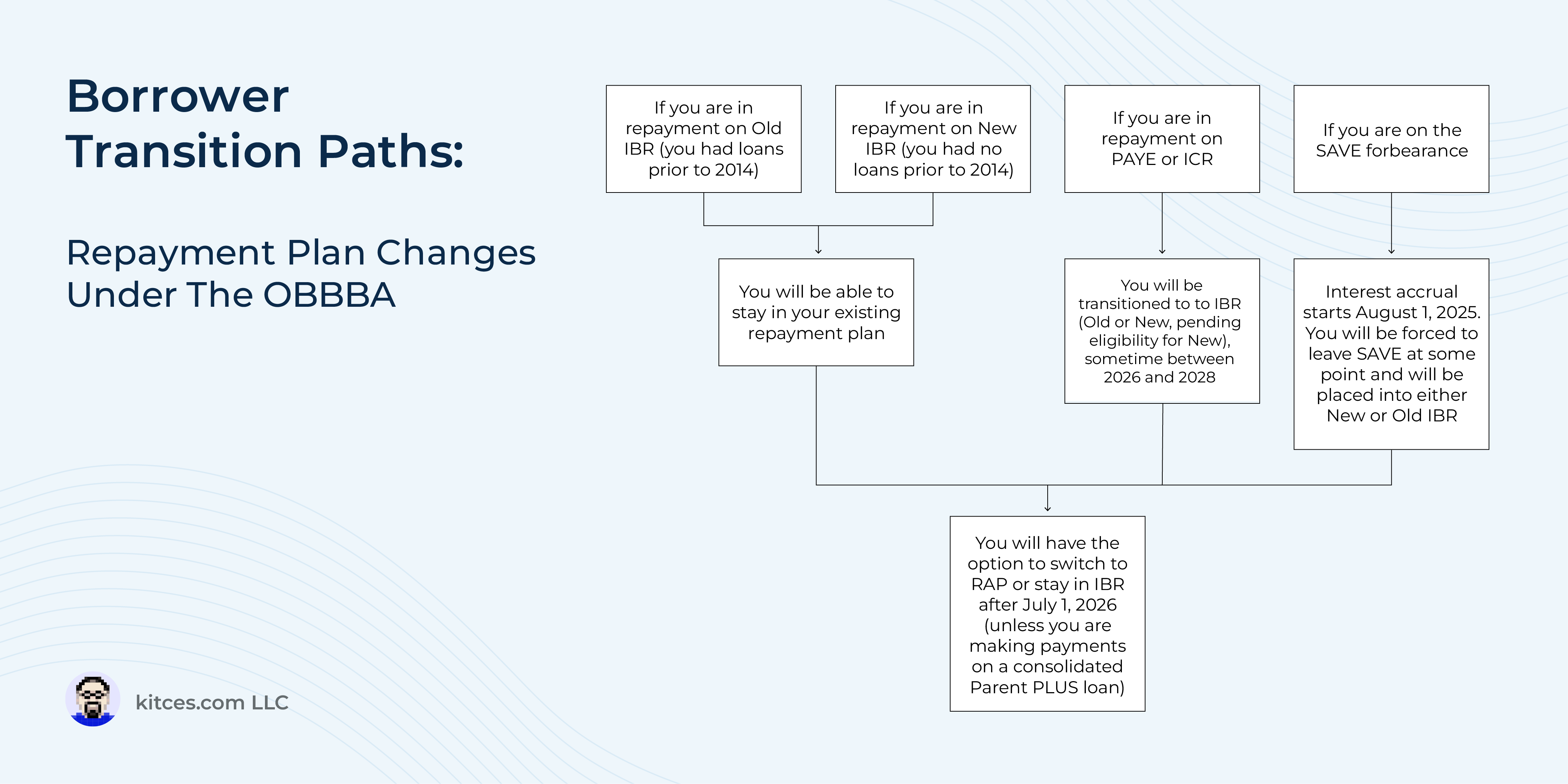
OBBBA Breakout Guide: Student Loan Changes For Financial Advisors To Know – New Borrowing Limits, Parent PLUS, RAP, And Legacy IDR Plans – After five years of policy shifts, paused payments, and temporary relief measures, the Federal student loan system is entering a new phase – one that's more stable, but also less generous and far more limited in its options.
For financial advisors, the One Big Beautiful Bill Act (OBBBA) represents a meaningful structural shift – especially in how much students and parents can borrow. Specifically, while undergraduate borrowing limits remain unchanged, OBBBA sets firm caps on other loan types, including Parent PLUS loans, while eliminating Graduate PLUS loans entirely. The legislation also introduces a new combined lifetime borrowing cap of $257,600 across all Federal loan programs (excluding Parent PLUS loans).
The OBBBA also brings major changes to student loan repayment plans, including a balance-based Standard Repayment plan that will tie repayment terms to loan size, and a new Income-Driven Repayment (IDR) plan – the Repayment Assistance Plan (RAP) – that will become the default for many borrowers. RAP calculates monthly payments based on a progressive formula tied to Adjusted Gross Income, fully subsidizes unpaid interest (eliminating negative amortization), and offers forgiveness after 30 years of repayment. All legacy IDR plans will be phased out by July 2028.
In sum, the next few years will present an opportunity for financial advisors to provide critical student loan advice to clients transitioning between repayment plans. In addition, advisors may need to revisit college savings strategies with families as Parent PLUS loans become more restricted, which could mean exploring private lending or other alternatives where appropriate.
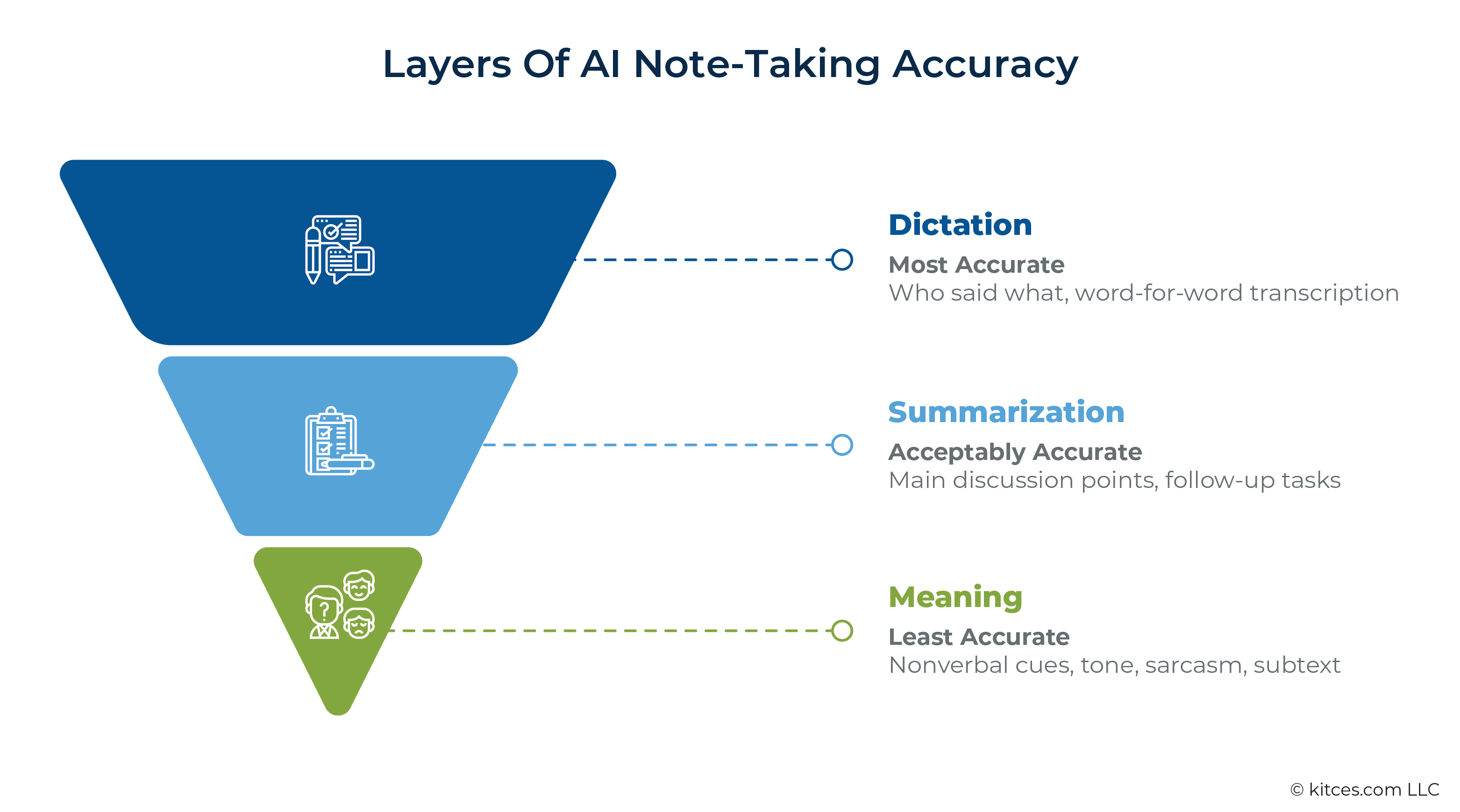
The Risks Of AI Meeting Notetakers: Evaluating Accuracy And Data Privacy In Tools – For financial advisors, maintaining accurate and comprehensive client meeting notes has long been a core – albeit time-consuming – component of effective and compliant practice management. While a number of AI-powered meeting note tools promise to transform how advisors handle meeting notes and follow-up tasks, they also introduce new risks around data privacy and output accuracy that fiduciary advisors must thoughtfully manage.
AI meeting notetakers seek to eliminate the inherent tension between focusing on client conversations and capturing detailed notes by automatically transcribing the meeting dialogue and summarizing key points and follow-up items. When functioning properly, these tools can (at least in theory) not only improve advisors' efficiency by automating much of the follow-up work from each meeting, but also improve the quality of advice and implementation by helping ensure that nothing slips through the cracks. At the same time, these benefits come with tradeoffs, including the possibility of inaccurate transcriptions or summaries (suggesting that advisors will want to be vigilant in reviewing and editing AI-generated notes to ensure accuracy and completeness) as well as data privacy and management concerns (with best practices for advisors including carefully evaluating how these platforms store, share, and secure that data and seeking client consent before using AI recording tools).
Ultimately, while AI meeting note tools can offer advisors a potentially cost-effective way to improve documentation and reduce operational friction, their effectiveness (and the advisor's ability to use them compliantly) depends on how well they are implemented, reviewed, and integrated into an advisor's workflow!
Podcasts
Growing From $200M To $1.4B In 5 Years By Spending 15% Of Revenue On Marketing (That Still Works): #FASuccess Ep 452 With Gabriel Shahin – Financial planning firms are typically looking to add new clients, whether to expand their client base and assets under management or to maintain a consistent number of clients given inevitable attrition. And when it comes to marketing to attract new clients, firms can spend "hard dollars" on certain tactics (e.g., paid advertising or lead generation services), or "soft dollars" in terms of tactics that have a cost in terms of an advisor's time (e.g., content creation or networking).
In this Financial Advisor Success episode, Gabriel Shahin discusses how his firm has grown from $200 million to $1.4 billion of AUM in just five years in part by generating 2,500 leads a month (which led to 450 to 500 new clients onboarded annually), in part by spending approximately 15% of firm revenue on marketing each year. His firm invests the most marketing dollars in advertising on Google and increases the effectiveness of this spend by creating dedicated landing pages and lead magnets targeted at different search keywords. It also created educational content for its website (in written, audio, and video formats) that not only helps with search engine optimization, but also with answer engine optimization (amidst the growing popularity of AI search). Gabriel also discusses how he has found success investing marketing dollars on a range of advisor lead-generation tools (and improves the success rate of this tactic by employing staff members who are responsible for quickly responding to new leads from these sources).
In sum, dedicating a significant portion of firm revenue towards marketing efforts can pay off in a steady flow of new client leads. And by investing in the staff support to nurture these leads and serve them effectively when they do grow clients, firms can create a revenue stream that could offer a strong return on this marketing investment!
Leveraging Educational YouTube Videos To Drive Hundreds Of New Clients Per Year: #FASuccess Ep 445 With James Conole – As technology has changed, so too have the opportunities for financial advisors to reach their ideal target clients. One of these developments has been the growing popularity of video content, which allows an advisor to demonstrate their expertise (and have the viewer hear and see them) without actually having to meet with a prospect.
In this Financial Advisor Success episode, James Conole discusses how his firm has experienced massive growth (expecting to grow its revenue from $4.6 million to more than $10 million in 2025 alone) in part by attracting clients who have engaged with his educational YouTube videos. James also talks about how transitioning from audio and video content covering general personal finance topics to material specifically for his ideal target clients (pre-retirees and retirees with at least $2 million in investible assets) initially led to fewer viewers but ultimately to more interested prospects as well as how posting 'deep' video content, and doing so consistently, were keys to success using this medium. And given the heavy flow of leads created by his content, James describes how he increased the friction involved for prospects to schedule an introductory meeting by requiring them to fill out a short form on their financial situation and disclosing the firms' fees and asset minimums (leading to a higher percentage of meetings with good-fit prospects).
Altogether, James' experience shows how delivering content designed for an advisor's ideal target client can lead to more good-fit inquiries compared to a more generalist content approach (even if leads to fewer individuals consuming it, at least at first).
Executing A Successful Internal Succession Plan In The Private Equity Era Of Advisor M&A: #FASuccess Ep 424, With David Grau Jr. – One of the major trends in the RIA industry during the past few years has been increased interest amongst Private Equity (PE) firms investing in the space, which has led to a number of PE-funded "aggregators" acquiring small- and mid-sized RIAs (often at premium valuations). Which could ultimately influence the decision making of RIA founders who might have considered an internal succession but could find that potential successors have a hard time matching the offers of the aggregators.
In this Financial Advisor Success episode, David Grau Jr. discusses best practices for firms who are interested in pursuing an internal succession in this environment, including creating defined career tracks and compensation structures as well as getting the firm's business metrics in order and receiving a third-party valuation. David talks about how internal successions can be broken up into gradual tranches, and the importance of starting early when it comes to creating an internal succession plan. He also discusses how he finds that the publicly announced valuation of a PE acquisition is often misleading because the media only talks about the multiple of revenue or earnings and not the 'adjustments' that the buyer made to the firm's projected earnings before striking the deal and why he suggests that some firms who sell to PE-backed buyers might found it hard to meet the annual growth targets needed to receive the full compensation as outlined in the deal terms.
In the end, for many founders a succession plan is not just a matter of the total compensation received but also a way to ensure that their legacy will live on through a committed staff and continued high-quality service to its clients. And even at a time when inbound acquisition inquiries are prevalent and headline valuations are lofty, internal successions can remain a viable option for those willing to put in the advance planning required to do so successfully!
Kitces & Carl Ep 155: How Do You Know You Are Adding Value Versus Just Trying To Justify Your Fees? – While financial advisors offer valuable services for their clients, it can sometimes be challenging to gauge how much clients actually value those services. On one hand, a client's willingness to pay an ongoing fee for financial advice suggests that they find the advisor's services worthwhile. On the other hand, the term "financial advice" often refers to much more than asset allocation and wealth management.
In this episode, Michael and Carl discuss how advisors can look beyond engagement metrics to understand which services have the greatest impact on their clients' experience. For instance, while reduced engagement levels could be a sign of client discontent, changes in behavior like this don't always indicate a problem (e.g., the same client wanting to reduce their meeting frequency from three times a year to just once might reflect not a loss of interest, but instead increased peace of mind, trust in the advisor, or confidence that if anything urgent comes up, they will connect with each other anyway). To better understand what truly resonates with clients (and to avoid expending resources to provide additional services they might not value), advisors may find it worthwhile simply to start by asking. For example, sending a client engagement survey or talking with clients can provide meaningful insights.
Ultimately, the key point is that traditional engagement metrics may fall short in capturing the true value clients place on financial advisory services. And, in a world where clients are increasingly busy and advisors face competing demands, the real opportunity lies in figuring out what truly matters to clients!
Kitces & Carl Ep 156: How Are You Getting Value Out Of ChatGPT As A Financial Advisor? – Since the emergence of Artificial Intelligence (AI) in the mainstream technological landscape, conversations about which areas of the financial planning industry would be most likely impacted by AI have proliferated.
In this episode, Michael and Carl discuss how they use AI tools such as ChatGPT to expedite their creative and strategic processes – and how to 'ask' ChatGPT better questions to get more effective and relevant answers. Perhaps one of the most impressive capabilities of programs like ChatGPT lie in their ability to serve as brainstorming partners. To use them effectively, it can be helpful to assign ChatGPT a role (e.g., "You are my executive producer" or "You are a marketing director") and define a clear objective. Providing sample documents or links to sources for tone or substance may be helpful. At the same time, it can take some back-and-forth (in the form of providing feedback to the tool) to get the hoped-for output (though, when AI programs can 'remember' what was asked of them across sessions, it becomes easier to build on previous conversations and reach increasingly insightful responses over time!)
Altogether, with some patience and guidance, ChatGPT can be a powerful tool for enhancing many aspects of an advisory firm's operations. Whether it's used to help with marketing, drafting email responses, summarizing content, reviewing data analyses, or even providing feedback on client surveys, the potential applications are vast.