Executive Summary
 Welcome everyone! Welcome to the 492nd episode of the Financial Advisor Success Podcast!
My guest on today's podcast is Mary Chapman. Mary is the chief operating officer of Cummings Wealth Management Group, a hybrid advisory firm based in Charleston, South Carolina, that oversees $500 million in assets under management for 260 client households.
What's unique about Mary, though, is how she has applied lessons from her research into "steward leadership" to build communications mechanisms, processes, and expectations to help her firm continue to thrive as it transitioned into a hybrid work environment.
In this episode, we talk in-depth about how Mary leverages the steward leadership approach to set high and specific recommendations for team members (for example, picking up the phone after the second ring so they can see who is calling on caller ID), how Mary finds that "clarity is kindness" when it comes to communicating these expectations (both up front when interviewing new employees and during regular evaluations after they join the firm), and how Mary created processes and workflows in her firm's CRM that create accountability for employees while allowing for the flexibility benefits remote work can offer (without her having to micromanage them).
We also talk about how Mary's firm operates a time- and location-hybrid model that has client-facing team members spend more time in the office while allowing the firm to tap into talent nationwide for back-office employees, how Mary's firm concentrates in-person client meetings into two months during the year (allowing for greater location flexibility for virtual meetings during the rest of the year), and how Mary's firm encourages employees to completely check out from work when on PTO (both to allow them to relax and recharge as well as to ensure that clients feel like they're getting the firm's full attention when they reach out).
And be certain to listen to the end, where Mary shares the importance of knowledge-sharing in a hybrid or virtual work environment (which highlights the value of accurate record-keeping in the firm's CRM system), why Mary and her firm seek "work-life integration" rather than "work-life balance" (emphasizing the importance of being 100% focused on the task at hand, whether it's work or time with family), and how Mary has ultimately found success by leaning into her unique strengths and applying them in roles throughout her firm.
So, whether you're interested in learning about leadership best practices for hybrid and virtual teams, why "clarity is kindness" when it comes to communicating expectations, or fostering an environment of "work-life integration", then we hope you enjoy this episode of the Financial Advisor Success podcast, with Mary Chapman.
Podcast Player:




Resources Featured In This Episode:
 Mary Chapman: LinkedIn | Website
- Gallup
- Kolbe
- WorkingGenius
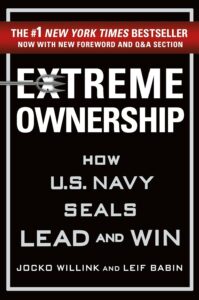
- "Extreme Ownership" by Jocko Willink
- "Who Not How" by Dan Sullivan
- Redtail
- Carson Coaching
- Kitces Report: What Actually Contributes To Advisor Wellbeing
Full Transcript:
Michael: Welcome, Mary Chapman, to the "Financial Advisor Success" podcast.
Mary: Thanks, Michael. I'm excited to talk with you today.
Michael: I'm really excited to get to talk today about, just think of it broadly, the challenges and opportunities in building teams that get more virtual as our advisory firms grow, and just to me, the very real leadership challenges that start to crop up for those of us responsible for building and managing the people, the team. Most of us advisors, we were forced into this for a period of time during COVID, and by the internal Kitces Research we do on advisor wellbeing, wellbeing tanked quite significantly over the next two or three years as, I think, we struggled with navigating that work environment.
And now, we find the overwhelming majority of advisors reverted back to day-to-day in the physical office space, either entirely or, at least, partially, at least hybrid. I think in part because some of us just prefer the more in-person, physically present for coworkers by collaboration or social dynamics or the rest. And for some, simply because I hear often from a lot of advisors, it feels easier and more straightforward to manage people when you could just see them and their work and what they're doing and whether they're present doing the things that they're supposed to be doing.
And so, for the firms that stayed virtual, we find a lot of firms have and still continue to struggle with management and productivity. How do I ensure the work's really getting done? How do I make sure the team stays productive? What happens to our culture when we're not together every day? Just the very real-world struggles, so the challenging underside when you're a virtual team, or even I find sometimes being hybrid and you still have to start navigating those. And so, I know you've spent a lot of time, Mary, both studying this from an academic perspective, living it as a practitioner in an advisory firm. So, I'm really excited to get into what, I guess I'll call the pracademic, practitioner and academic.
Mary: I love it.
Michael: The combined perspective on, how do you actually do this well when you're trying to build teams that have virtual and hybrid elements and you want to make sure the firm keeps growing and succeeding?
Mary: Yeah, I love it, Michael. Let's jump in.
What Cummings Wealth Management Looks Like Today [04:54]
Michael: So, I think to kick off, Mary, tell us a little bit about the advisory firm itself as it exists today just so we can get an understanding of the business itself. And then we can talk about some of the journey of how this has evolved through leading and teams and navigating various environments.
Mary: Great. All right. So, we've been in business for 36 years, and we are based in Charleston, South Carolina. We have $500 million in assets under management, and we serve about 260 client households. Our firm revenue is $3.1 [million]. I'm anticipating to be $3.5 by the end of the year. And then our team structure, so we have two advisors, one's the founder and CEO and one additional wealth advisor. And then for support, we have four full-time support plus three part-time support, and those part-time folks combined to about 50 hours a week.
Michael: Okay. So, tell me a little bit more about support roles and who does what in the firm, how that support structure actually works with a two plus four as it were.
Mary: Yeah. So, we've actually done some research on this, and thanks to your research, we've actually looked at your research on this. We really embrace a functional team approach. So, everybody in our firm is a specialist at what they do. So, we have two client service folks who one focuses on the money movement and kind of book of business level things, and one focuses on new accounts, opening new accounts, anything paperwork related. We have one of our support person who is a full CFP, and she does all of the financial plan, building, updating, meeting prep. She owns all of that for the firm. And then we have one gal, one of our part-time gals, she does all of our insurance service. And we have one of our part-time gals who only does scheduling. And then we have another part-time gal who helps with our marketing as well.
Michael: Okay. And then where do you sit in this structure? What is your role and hat?
Mary: Yep. So, my role at the firm, I'm the chief operating officer, and we get to make sure all the wheels are spinning. So, I wear a couple of different hats. I've been with the firm now for 14 years, so I've worn a lot of different hats. And at this point in time, it has been great. At this point in time, my role is just to make sure that everybody has what they need to be successful and we're meeting the company's goals and visions and mission and serving our clients.
Michael: Very cool. Very cool. And so, just for context, so what did the firm look like 14 years ago when you came?
Mary: Yeah. So, it was myself. When I started, there was one other person, one other support person, and there was the founder and CEO as the only advisor and leader of the firm, and there was one other person. And then, so I came on. I think I started as the finance and marketing associate, is how I came on. When I started 14 years ago, I did not have my CFP. I do now. I got that part way in. And so, that one, the one gal that I was working with, she left shortly after I arrived. And we've had a myriad of folks through the years. I've gone through all the different roles through the firm, and did end up earning my CFP. And I took on that part of the firm, building the plans and updating the plans and meeting with clients and all of those things from a planning standpoint. And then pass that on to the CFP that we brought on board last year.
Michael: Very cool. Very cool. So, you're truly in that, I guess, I think of them like the right hand role to the founder that has worn all the hats of doing everything it takes to keep the business going on the road.
Mary: I've never done his job. Thankfully, I've never done his job. I would not do a good job at that. But, yes, I've gotten to do all the other pieces. So, it's been a fun journey.
Michael: Amen. It takes a lot of people to run and grow a business.
Mary: It does.
Michael: So, that's very helpful for understanding state of the firm. I guess just one other question or context, just tell me about clientele and typical clientele of who the firm serves.
Mary: Yeah. So, the people that we serve, that we serve the best, I guess, I would say, is people that are within five to ten years of retirement and just after retirement. Those are the people that we serve the best. Most of our clients, if you're looking for a client profile, most of their clients live, I would say in the Charleston area, although we have folks all over the country and we actually have a couple of folks internationally. But most of the folks that we serve are right here in the area close by our office.
Michael: Okay. And typical client by assets. I mean, I can do rough math, $500 million of AUM, 260 client households. So, like, lots of $1 million to $2 million clients with the usual, some smaller, and a couple much larger.
Mary: Yep, absolutely. Yep. So, we do have, our minimum account that we manage is a million. So, yep, right on track.
Michael: Okay, okay. And out of curiosity, is everyone actually at or above the minimum, or do you still have, like, "legacy" clients who joined before minimums that got to continue?
Mary: Yep, we still have legacy clients. And our wealth advisor, our other wealth advisor who've joined the team a couple of years ago, he helps with a lot of those as well. In addition too, I'm sorry, I should have mentioned, we serve about 40 401(k) corporate retirement plans. So, he also does that. He manages the 401(k) corporate retirement plans in addition to some of the other clients, personal clients as well.
Efficiently Scheduling Clients Who Want In-Person Or Virtual Meetings [10:30]
Michael: Very cool. So, now, I guess apropos to our conversation queuing up today about work environments. So, how does the work environment work at the advisory firms? So, are you in-person, virtual, hybrid? What's the structure?
Mary: Yeah. So, a little bit of both. As you mentioned, obviously, the pandemic forced everyone to go virtual, at least for a while. During that time, and as we were coming out of COVID, we polled all of our clients and asked them if they preferred to continue to meet virtually or if they wanted to come back in-person for their meetings, for their annual meetings. And what we found was 80% of our clients all preferred to stay virtual. You know, they all lead busy lives and they're usually in different locations from their spouses when we're meeting, and it's just more convenient for them to meet virtually.
So, 80% of our clients wanted to keep meeting virtually, 20% wants to meet in-person. And there really isn't a rhyme or reason. I really truly think it's just a personality preference. There isn't really a rhyme or reason. I did the poll and looking at the research, I couldn't tell you it was a certain age range or even a certain, you know, dollar range. I think it was just personal preference.
Michael: Which I guess is notable unto itself. I mean, including, as you said earlier, your clientele are mostly, you know, pre-retirees, early retirement. So, I'm assuming, basically, you know, like, mid-50s to early 70s or something to that effect, which I feel like is the range of "older clients" that we historically said are the people who want in-person and don't do the newfangled technology thing.
Mary: Right. We did not find that to hold true for our team, our clients.
Michael: Yeah. And here you are like, and that's your clients, and 80% of them want to stay virtual.
Mary: Yep. Absolutely. "No, thanks. We'll stay home, thanks, and look at you on a screen." They were good with that.
Michael: So, a good reflection that just it's more personality preference, right? Just, there are folks of any age that just really enjoy the in-person and others that are not so inclined, probably some layer of introversion, extraversion thing going on there. But it's much more of the personal dimensions of how they wish to meet. Not an older clients want to meet in-person or high dollar clients want to meet in-person or virtual or whatever it is. It's just down to their personal preferences. And most of them were actually quite fine with virtual.
Mary: Absolutely. And preferred it and asked to just continue to meet virtually. Now, again, that's what we found. It may not be true. I don't know if that's a geographic. You know, I don't know if you broadly apply that, but that's what we found for ours. I would say it's worth asking your clients, right? I'm sure most people have already, but it's definitely worth asking.
Michael: Well, and I'm struck as well. I mean, we went through a version of that at my prior firm. We were actually trying to get proactive and starting to meet with clients virtually with Zoom, even pre-COVID, like, in the what would be the late twenty-teens, and got a lot of clients that said they were actually quite happy to meet virtually. But for better or worse, like, I'm here in the DC Metro area, our traffic is horrific, and well known for being such. So, right or wrong, we at least attributed it to, well, it's particularly hard for us because, like, a client who's going to come to our office from 5 or 6 miles away, like that's a 30 to 50 minute drive depending on traffic. And they just didn't want to sit in traffic. So, like, yeah, you're only 6 miles away, but can we please meet virtually because I don't want to get the car and drive. Like that was a...
Mary: Make this a four-hour thing.
Michael: Yeah. I mean, by the time, you know, get ready for the meeting, drive over meaning, do the meeting, wrap up the meeting, drive back to your office or home, get back into whatever your stuff was, yeah, you easily have knocked out three to four hours. An afternoon meeting would obliterate a client's afternoon calendar. So, we got a lot of interest in virtual, but I had always attributed it to, well, we have a lot of working folks in the DC area and our traffic's awful. So, like, you know, Charleston's traffic is not quite as bad as ours is, at least up here.
Mary: Not like DC.
Michael: Not like DC. You've got a more retiree-oriented clientele, and here you are still at 80% or fine to be virtual.
Mary: It really was fascinating, especially to look through it. You know, again, some of the younger folks who were in their, you know, 40s or early 50s want to meet in-person. I mean, that was just fascinating to me. Like you said, it really is just a personal preference, I think. And so, how we worked it schedule wise is our default is we meet with folks virtually, again, unless they've told us that we've asked them and they prefer to meet in-person. And we have two months out of the year that we meet with all of our in-person folks. So, those two...and again, it's not a hard and fast, we won't meet with you because it's not the right month, but it's just in general, in scheduling. We have two months out of the year that we do all of our in-person meetings, and the other months out of the year, we do our Zoom meetings.
Michael: So, tell me more about that. Why? I mean, not in a negative way, like, just why? Why did those get grouped? I mean, do you, you know, bundle and surge all of your client meetings with just the in-person?
Mary: So, the in-person ones mainly, just from a standpoint of being able to, we follow the calendar blocking. You know, the founder and CEO, he's been a big fan of Carson Coaching for a long, long time and do, we use the time blocking system. So, we generally meet with our clients Tuesday, Wednesday, Thursdays. And so, in order to make it efficient for the whole team, we then meet with them in-person. We like to obviously stack meetings. So, we stack our meetings Tuesday, Wednesday, and Thursdays. And in order to have all the...it's really hard to have an in-person, run home, do a Zoom or do a Zoom from the office, and to just constantly be running back and forth. And so, we just grouped all of the in-person together and we meet with all of our in-person folks for a period of time.
And again, it's not hard and fast. If somebody wants to meet during Zoom in that, you know, those months, typically they're May and October for us or May and September, sometimes it varies, then we'll do that. And again, same with if we have somebody that really wants to meet in-person, especially, you know, new folks, as we're onboarding new folks, it's very normal to want to meet in-person and see somebody eyeball-to-eyeball in-person. So, you know, we're not going to say, "Oh, gosh, it's June, we can't see you till October." But in general, we group them together.
Michael: Okay. Interesting. So, for you, it comes from a root of time blocking strategies. "We do meetings Tuesday, Wednesday, Thursday, sort of prep Monday, wrap up Friday kind of cycle." And then even as you're stacking meetings Tuesday, Wednesday, Thursday, I guess, I mean, it certainly makes sense to me, the meeting prep... I mean, even aside from the advisor going in-person, virtual, in-person, virtual, from a team prep perspective, I've got a different prep process for in-person because I got some reports I got to physically print. I may have other things I do for...
Mary: Set up the conference room.
Michael: ...how I, you know, set up the conference room, set up the meetings, and the like. So, when we're in-person mode, we just know we're doing that for all the client meetings over the next month or two. And when we're in virtual mode, we know we don't have to deal with any of that. And there's less context switching between meeting types.
Mary: Exactly. And it enables us, you know, special projects and things that come on at the firm, we're able to structure, okay, we're not doing that in May because we know May is an all-hands-on-deck month type thing.
Michael: But I guess I want to follow on that. So, now, I mean, I understand the in-person part in particular, it's only approximately 20% of the clients. Just you get through them all and, you know, spring meetings and fall meetings and you're done May and September. So, do you try to further bundle the virtual meetings with the other 80% of the clients? There's some firms out there that will do surge-style meetings or they'll just do the whole client base in 6 to 12 weeks or however long it takes to you to get through. And then you get a couple months off before the next. Do you do that with the virtual ones, or they're more evenly distributed through the year? You've just got two in-person months where the prep process gets efficient because you're stacking all the in-persons?
Mary: Right. It's the latter. So, we don't bundle the virtual meetings. They're just throughout the year.
Michael: Okay. And no issues with clients saying like, "I want to meet in May. I want to do in February."
Mary: No, it doesn't really. We haven't had folks who get upset. And again, if somebody, you know, needs to, we're here to serve the clients, so we absolutely will do that. But we haven't had folks that get upset or weren't happy with the schedule at all, actually. We haven't had pushback at all from clients.
Michael: I feel like for so many of us, there's always this fear of, you know, if I try to push the clients into my calendar, into my meeting structure, you know, they won't be happy because they want to do it on their terms. I'm like, I get that, but then my brain always goes back to, it's like the scheduling model of my dentists. Like, I wrap up the meeting and we schedule another one six months from now on a random day because I have no idea what my calendar is going to look like six months from now. But, hey, we pick a thing, we put it on the calendar. And if I need to reschedule, I totally reschedule. And 95% of the time I just schedule the rest of my stuff around the thing that's already on my calendar and that happen in the six months.
Mary: Exactly. Yep. And it works.
Michael: And it works. And it works.
Cummings' Geographic And Time-Based Hybrid Models [19:53]
Michael: So, that helps to understand the client set up. So, now, talk to us about the advisory team set up. Is everyone in-person doing meetings and prep, even when the clients are virtual? Do you let team have different schedules depending whether you're in-office meetings versus virtual meetings? Do you have any people who aren't in the office? Like, how does this work for the team perspective?
Mary: So, from the team standpoint, where you operate more on a hybrid schedule. So, we have some folks... And by hybrid, I know there's a couple of different versions of hybrid. A hybrid for us, we have some folks on the team, and the advisors are included who work only virtually unless they're coming to the office for a client meeting. So, they work virtually, and so do most of the other team members. We have a couple team members, two in particular, who work more hybrid, who are mostly kind of the opposite of that. They're mostly in the office. And they do have some times when they work virtually, but they're mostly in the office.
Michael: Okay. And is that by role or function? Like, advisors are virtual and operations is in-person kind of thing, or is this just another version of personal preference who wants to be mostly in office who wants to be out?
Mary: Yeah. So, I'm not sure actually how the best answer that. It's not necessarily by role. We don't have all of our operations team in-house. I don't know if I would say it's by personality either. You know, one of the things that came post-pandemic was the opportunity, again, in a virtual environment to hire really good people that you may not have access to physically in your town.
So, some of our folks live...you know, we have one gal, one of our investment client service skills, she lives in Oklahoma, and she's the best I've ever seen. She's the best I've ever seen. And she lives in Oklahoma or in South Carolina. We have another girl who lives in Ohio. You know, she worked, lived here and worked here for a long, long time and then ended up moving closer to her family in Ohio. But so, again, and their operations, client service folks. So, it's not necessarily by role. We just have two of the folks, the two folks who are in the office, the two ladies in the office do work in operations. So, the one is the other investment client service person. And the other one is the CFP who does all of the meeting prep and planning and things like that.
Michael: Okay, okay. So, as these play out, when you've got... I mean, I heard you say, like, some folks work virtually, only come to the office for client meetings. Like, I get that for the advisors. When you've got, you know, these, like, two-month surges of in-office meetings in May and September with some service team that are in Oklahoma and Ohio, so do they stay virtual? Do they come in? Is there, like, a travel requirement that you got to come to Charleston during the surge-y months?
Mary: Nope, they don't. So, the advisors are the ones that meet. The advisors are the ones that meet with the clients, and then also the other CFP on the team that's done all of the prep work and the planning and the updating. And she's usually in the meetings as well. And she's one of the ones that works in the office.
Michael: Okay, okay. And so, because operations team isn't necessarily physically in the meetings anyways, there's really no pressure on them.
Mary: Correct.
Michael: But I guess then I'm going to infer, at least, from your service model and how you do it, there is more expectation that it's, in essence, client-facing roles, right? So, advisors and the person doing financial plans has a little bit more pressure to be geographically local...
Mary: To the office.
Michael: ...to be able to come in, in-person for the clients that want the in-person meetings.
Mary: Correct. Yep. And we talk about that in the onboarding process. So, you know, maybe it is more role-based, like you said, there's a couple roles. And, you know, again, the one client service person, and then also the financial planner on the team. So, one of the financial planners on the team. So, when they came on board, we said, "Look, this is a very client-facing role, and so, you know, this is mainly in the office." And so, that's, you know, discussed in the onboarding and interview process.
Michael: Okay. But it sounds like overall, and I guess, given that split, especially for operations-oriented roles, part of the appeal of being able to hire virtually is, we can find talent wherever they are. We don't have to be constrained to whoever has experience in the local Charleston market.
Mary: Yep, absolutely.
Michael: So, now, talk to us about, I guess I'm wondering, if you lived this for whatever it would have been, like six years pre-COVID, firm was smaller, but it's you and the founder and some of the other team that that's getting built and hired while you're wearing all the hats. Like, then COVID happens. Now, we're in the post-COVID environment. The team is much larger because now you're, like, twice as many full-time plus the part-timers. The work environment's all split. I mean, you have all the versions of hybrid, right? I feel like some firms say hybrid because they mean some people are in-person and some people are virtual. Other firms say hybrid because part of the days are in-person and part of the days are virtual. Like, everyone's local, but not always physically in office. So, you have both. You have, like, local in office versus virtual, and you have geographically local versus not even in the area there in Oklahoma.
Mary: Correct, correct. And we were all in-person pre-pandemic.
Michael: You were or were not.
Mary: We were in-person. We were all in-person pre-pandemic.
Michael: Okay, you were.
Becoming A "Steward Leader" To Optimize A Virtual Work Environment [25:24]
Michael: So, then in that spirit, I'm very curious to hear, what changed in the actual just management and operation of the firm when you went from the in-person world to the new virtual or the new multi-hybrid world?
Mary: So, this really starts tying into what my research in this process. After the pandemic is when I started working on my PhD, and I studied virtual leadership really in-depth. And my dissertation is on virtual leadership and what makes a successful virtual leader. And there's nothing, I feel like, that test... Oh, go ahead.
Michael: Wait, you went to get a PhD in the, like...
Mary: I did. Well, so my PhD is in organizational leadership, and my focus, my research focus was on virtual leaders, leaders of virtual teams, successful teams.
Michael: So, is this just, like, a Mary thing? I mean, some of us like, "Hey, I'm dealing with this thing at work. It's really hard. I found a podcast." "I am dealing with this thing at work. It's really hard. I found a book." "Working on this thing at work that's really hard. I'm going to go get a doctorate."
Mary: That's about right. That's about right. I'm going to dig in and research this.
Michael: Brief glimpse into Mary. Okay, I got it.
Mary: Yep. Always learning, always learning. Yeah, so nothing, I feel like, tests a leader more than having to go virtual, being in a virtual environment. You know, this is not original to me, there's a lot of research and people that will say this, but you have no bad teams, you only have bad leaders. And nothing points that out quicker than switching to a virtual environment, especially on the fly. So, that's what led me down this path to study it. And then here we are.
Michael: Okay. So, talk to us more in this vein. Like, I guess, as you framed it, right, nothing points out leadership problems more than switching to virtual. So, really, for a few folks that are listening that have had struggles, that may feel a little bit personal, hold with us here. If you're listening, we're coming to this from a positive growth perspective.
Mary: And that isn't coming from place of judgment. It didn't resonate with me. A lot of leaders will say that, but you absolutely stick with it.
Michael: But I mean, I get it. I get it. It's, you know, if you want to, you know, recognize any of the versions of extreme accountability, right, and anything that's happening in our firms that isn't working out the way that we would, like, is ultimately on us as leaders at the top. So, take us deeper in this direction though. Like, what's going on that leaders aren't doing well, that may be held together enough in-person and suddenly starts falling apart in virtual. I feel like it's casting some gaps into sharper relief. So, what are the things that are suddenly becoming so much more problematic virtually?
Mary: Yeah, it's astounding to me that people can lead well in a virtual environment. I'll start there. It's really astounding that you can have people that you can't see, that you are only communicating with over a computer or the internet that show up at their best every day and want to invest themselves and do well and contribute to a team. And communication, you know, as I started researching, the challenges for virtual leaders…obviously, communication is one of the biggest challenges, either under communication, or even over communication where everything becomes white noise. Because now, we have chatting features and, you know, video features, and email was always there and all of these things. So, how do you communicate enough, but not over communicate? How do you allow downtime? How do you not silo?
One of the hardest things for virtual teams is knowledge sharing. How do you do that well where the knowledge isn't hoarded? In other words, like, you know, such and such client, you're working on something for such and such client. How does the rest of the team know that? Or is that living in your Outlook, your email that nobody else can see or access or help with if a client calls? All of these challenges that come with a virtual environment.
And then from a team standpoint, from the people that are showing up for you on the team, how do they feel connected and want to contribute? And how is their wellbeing being taken care of? How do you build trust where, like you said, how do you know they're working? How do you build trust in these environments and they're not, you know, sitting on the pool deck with a laptop and a beverage, right? Like, how do you do this? How do you build that culture of empowerment where they want to show up and do their best?
So, as these are all things really specific to the virtual world. Not that they don't exist in-person, but when you're in-person and I can walk down the hall and pop in your office, that fixes a lot of communication. And you can't do that in the virtual world. Or I can monitor…I know when you come in. I see it. I'm here, right? I know when you leave. All of these things that you don't have in a virtual environment.
So, as I started looking at the pain points of virtual leadership, alongside it, I was researching a type of leadership, which is called steward leadership. I didn't make it. It's not original with me. I didn't coin the terms or anything. It's been around for a while, but it's not well known, and it hasn't actually been researched a lot. So, I was like, "Oh, pick me. I want to research that. It seems like an area to pursue." And as I started looking at it, some of the strengths of this type of leadership, of really viewing yourself as a steward leader fit hand-in-hand, just like a glove with the weaknesses or the...I wouldn't say weaknesses, with the challenges, is a better word that virtual leaders face.
The challenges of communication, the challenges of motivation, the challenges of burnout. All of these challenges were strengths of steward leaders. So, I started asking, well, what would happen if I research…could I find, number one? And then if I can, can I research with them what a steward leader looks like who runs a virtual team. Somebody who identifies as a steward leader and runs a virtual team, what would I find? So, that's what led me to my project and in this whole world of steward leadership.
Michael: Interesting. I am struck. There was a statement that you made a moment ago that really clicked for me, when I can walk down the hallway and pop into your office to talk through something, that fixes a lot of communication gaps. I think it's similar, like, when I can walk down the hallway and kind of glance in your office and see that you're doing the thing that, I guess my words, like, that fixes a lot of accountability gaps. That just there are certain behaviors or actions that just exist or are convenient in an in-person environment that...
All of these things are imperfect and sort of constant challenges, right, effective communication, effective accountability. These are things that never end in a journey for a business. But if they're close, but maybe not fully on target, there's a lot of very common, normal, in-person behaviors, often something to the effect of the proverbial manager strolling the floor that can catch or correct lots of these things if they're not going perfectly. And all the corrective behaviors don't work in a virtual environment. Like, that's where the gap comes in. If I'm really not doing them well, the natural, in-person remedies are no longer there to correct the gaps. And so, now the gaps stay and magnify and do all the things that things that can go on when they are...
Mary: Become issues.
Michael: Yeah, become issues.
Mary: Yeah, absolutely. That's exactly right. If hear something going on, I can jump in and autocorrect it, so to speak. But if I don't, then I only know about it after the fact, after it's not gone well.
Michael: So, I want to come back to steward leadership in a moment. Like, what does this look like when we're trying to lead well, especially in a virtual team environment. But I want to actually hang out here for a moment more. Again, you lived this pre-COVID, in-person, COVID and post-COVID, more virtual hybrid and all the different ways that hybrid happens. So, where did the gaps start showing up in your firm?
Mary: Great question. I think for us, what it helped point out for me, and this is on me, this is my role as the chief operating officer, is in systems and processes. We have a lot of great systems and processes. And when I'm sitting next to my coworker in the office with my coworker and they can, "Hey, Mary," as I'm walking down the hallway. You know, you walk down the hallway, you get stopped seven times. You don't have that opportunity in a virtual environment. So, it becomes very apparent what I've communicated well with the team and what I haven't communicated well with the team. So, systems and processes become very apparent.
Not how to open an account. Most people that operate at the level we operate at can figure out how to open an account. But how about opening the account in the way we want the account open to serve the way we want to serve. And how does that tie back to the mission? If that isn't documented or clear and what the expectations are, if that's not clear, then I don't know about it until after the fact. So, for me, you know, I'll be really apparent and vulnerable here, transparent and vulnerable here. Communication is one of my biggest weaknesses. I am not a great communicator. And that's not a shock to anybody who knows me well. And this pointed that out. You know, when we get into a virtual environment, it becomes very apparent what I've communicated well and what I have not communicated well, because they come up as issues.
Michael: And so, I'm going to assume what you were sort of sharing a moment ago is, like, case in point example. You know, there's a mechanically how we open an account, right? You know, here's the form and here's the things that you need to be filled out, so we avoid an NIGO [Not In Good Order], etc. And then there's, I mean, I think you said, like, in in the way we want to serve clients, which I'm guessing is more along the lines of, you know, how do you communicate this to clients? How do you keep them in the loop? How quickly are you supposed to turn around the paperwork and such?
Mary: Exactly.
Michael: That is…that wasn't necessarily in the training process originally because the training process was, "Here's how you go through the form."
Mary: Right. And if I'm sitting with you in the office and I'm keeping track and you're stopping me, I'm on the way down the hallway, we're addressing it in real time. But if we don't have that opportunity, how do we get you the tools so you're not incapacitated at your virtual environment trying to get your work done?
Michael: One, that resonates a lot for me, including, like, all the way back to my career a long time ago when I was the dude doing the new account forms and transfers and paperwork and such in an in-person office at the time that…yeah, I mean, just there were all sorts of, you know, I was in, basically, a next door office with a shared hallway between the two to the advisor that I was primarily supporting the times. Like, I could literally just as a shout down the hallway. It wasn't even a shout. Didn't have to be that loud. Talk down the hallway and, like, John could hear me. So, I could just say like, "John, what do I do with this part of the form?" Or John's like, "Hey, do remember we met with the Smiths today. We need to make sure they get the paperwork by the end of the day because I want them to see it quickly after we had a good meeting."
And that instilled, you know, certain behaviors about what good service meant in our firm, because it was just said in offhand conversation or helpful reminder nudges. Yeah, like, that don't happen as much to me in a virtual environment. I don't know what it is about the dynamics of virtual communication, like, Teams or Slack, and maybe this is my own psychological barriers to work through, but just there's something that feels more nuisance or pestering or disruptive to shoot off random messages in a chat system to say like, "Oh, don't forget about blank. Let's make sure we also do this." That just don't feel as disruptive in in-person. Like, to say to my colleagues in desk across, "Oh, by the way, I just remember, don't forget something this afternoon."
Mary: It's so true.
Michael: Feels like just a normal, that's chit chat for coworkers.
Mary: A complete interruption.
Michael: Yeah. But, yeah, like when you when you send a Slack or a Teams message out of the clear blue sky at 3:00 in the afternoon, like, now you're just being an overbearing micromanaging boss.
Mary: Yes. Like, "Now what? I'm in the middle of something. What can I do?" You know? Yeah, absolutely.
Michael: And so, I guess the takeaway to that as I'm hearing you frame it is so the answer is not, "Well, you just do that communication anyways because it is what it is." The answer is, "Okay, then how do you get better at communicating and teaching the system and process up front so it includes those elements in the training?"
Communicating Client Service Expectations For Team Members [38:46]
Mary: Right, absolutely. And so, the team has these resources at their fingertips without having to track me down in the chat or virtually or something like that. So, that's actually one of, you know, and I said the pain points of virtual leaders often go hand-in-hand with the things that steward leaders excel at. So, in my research, I found about six, I would call them, pillars or elements of steward leaders. And this clear communication was the first one that stood out. They are clear communicators, communicators, consistent, unambiguous. They're very clear on their communication.
With systems and processes, yes, of course. But again, I feel like all high-performing teams have great systems and processes. That's how they got to be a high-performing team. But do they include these elements that we've talked about? And do you connect what the team member is doing back to the organization's mission? Why does it matter that you get the paperwork out in this time, or whatever the issue is? And then the communication is regular and consistent. It's, you know, there are set times, weekly meetings, monthly meetings, 90-day meetings, annual meetings. There are set times when you know you'll get your questions answered. If this is a, you know, "I got to get an answer right now, IM [Instant Message] me, interrupt, whatever," absolutely. But if this is something that can wait, you know, I have a set time that I'm going to meet with you every week, same time every week. And we're going to go through all of your list of questions that weren't urgent. So, building that in. Instead of having that ad hoc stopped 100 times during the day, we have a set time that every week we're going to go through everything.
Michael: So, share with us a little bit more in that direction. Like, so what are the things I need to be doing as an advisor leader to come to the table with, I guess I'll say, better actions, better behaviors, better things to do this well? So, on the one hand, like, I hear you on, okay, this is why regular, weekly check-in meetings become more important. Because we don't want to "bug" each other at a random moment of the day with an internal Teams or Slack message. So, now, we need a container for those questions that can come.
So, weekly meetings become very impactful because then everyone just knows you bring the questions to the weekly meeting and there'll be a place to get them answered, especially for the team members that, like, feel bad interrupting their teammates, and then otherwise just don't get their questions answered. So, what else? Like, when I get back to, okay, what's the layer of system and process training that I'm missing because they learned the paperwork, but not in a way we want to serve? Like, how do I do that, make it better?
Mary: Yeah, so another element of communication on steward leaders is expectations. So, the organization that I did my research with had a saying, and the saying was clarity is kindness. And I've stolen it, adopted it, however you want to put it from them. It's so true. Clarity is kindness. And we communicate even our expectations. So, by that I mean, how many times should the phone ring before you pick up, before I get upset that you're not picking up the phone? How early? When do you show up to a meeting? Is it five minutes early? Do you show up one minute early? Right on time? What does excellent service look like for our team? Shoot, where should the keyboard be placed on the conference room table?
All of these things are expectations of how we serve our clients. And what does excellent service look like for us. And these expectations are verbalized. This is a key differentiator in steward leaders, especially busy leaders, and even, I think, sometimes founders, they've created such a beautiful thing, the hard work of building an organization and creating something out of nothing that is very successful. They know what it looks like. They know what it should look like. And if that isn't stated, clarity is kindness, if that isn't stated, then the team doesn't know how to help. It's like hitting a moving target. So, we're very clear. We make jokes about it and laugh in the team. But we know. If you ask any of my teammates, they know how many times the phone should ring before they pick it up. We have an answer for that for our team. That doesn't apply to everybody, but for our team. So, it's this granular level of communication and clarity, and definitely stating expectations.
Michael: So, I want to stay here for a moment because this is absolutely a gap I see with great frequency across advisory firms. And maybe you'll challenge this and it might be the whole point of the steward leadership conversation. What I hear from most advisors in these moments is something to the effect of, it's so hard to find good people. Because, like, good people should know that, of course, you answered the phone promptly. That's what good service is and good people know what good service is. Like, yes, you show up for meetings. That's what good service is. And if you don't know that, then you probably don't belong here. And that this gap gets expressed as, it's so hard to find good people. And I feel like you're setting up a whole different, frankly, much more awkward and painful thing for me as the leader. Which is, no, maybe you just need to explain to them what you think good service is supposed to look like and just tell them.
Mary: Right. Have I communicated that?
Michael: Rather than hunting for people who intuitively get it without being told.
Mary: Right, right. There's a couple schools of thought on that. There's either, you either get it or you don't. And then you're not going to be a good fit on the team if you don't get it. And then the other school of thought is like we've talked about, just being very clear in your communication. And during our interviewing and onboarding process, we talk about these things. You know, for us, I talked about how many times should the phone ring. For our team is, we don't want you picking it up on the first time because we don't call our ID to come through. And I want you to see who you're picking up the phone.
But I don't want to ring three times because I don't want the person on the other end to be upset that the phones ring and so many times. So, on that second ring, I know who's calling and I'm picking it up as soon as that second ring start, "Hi, Mr. and Mrs. Smith." You know, we don't let our interns answer the phone. We have a great intern program. We don't want our interns into the phone because talking with our clients is the most important thing we do. It's not an interruption in our day. And I want them to know who they're talking to and to be known by who they're talking to.
So, you know, those are some of the things for our team, but we communicate that in the interview process. You know, for us, if you don't show up five minutes early, even the internal team meetings, you're late, you're late. And it's setting the whole meeting off on a negative note if you're not five minutes early internally as well as to client meetings. So, these are things we talk about when we interview folks and bring them on board. So, it is very clear up front. And so, as you start becoming assimilated with the culture, it's easy to say, "Hey, look, this is working. This isn't working." And these are measurable, so to speak, that we can talk about. And we've been clear since day one.
I will say, I don't know if it's as easy to say it's either or. It may be an and situation. And part of Steward leadership, you have to have a missional alignment. And I think that's the piece of this for the people who say they either get it or they don't. You have to have folks…that is one of the pillars of steward leaders is they work with people, high-performing teams that have missional alignment. And again, I found that in my research, the military is stellar at this. The other sales and service team that I researched was stellar at this. You have to have missional alignment. You have to have people who show up and their mission in life is the same thing or goes hand in hand with the company's mission, or it's just not going to work.
Michael: I understand the sort of like the missional alignment or the gaps thereof. I feel like I'm still just trying to channel some version for, just, like, so many of us advisors that, I guess I'll just say, like, naturally have high service standards. Because we were good at it and more conscientious, and that's how we became successful advisors.
Mary: Right. Absolutely.
Michael: ...and got clients and got to the point that we have first world problems like hiring team and figuring out how to manage them. That even in including down to elements like, answer the phone promptly, be on time or a few minutes early to meetings, that there's still this element of like, "Really, Mary? I have to teach this to them."
Mary: I know. I agree, I agree, but I hear where you're coming from and I agree. But hopefully, generally what I found is you're not actually the one teaching it to them, you're laying it out and saying this is what it is. And hopefully, you have an integrator who can help teach this to the team. But regardless...
Michael: Fair point. I guess, as the firm grows, there are other people who can teach the systems and training. It doesn't necessarily have to be you.
Mary: Right. I think that goes back to what I said. I think it's hard, especially for the founders, because they have created something out of nothing. I'm not a founder. And I have such huge respect for the people who have created these firms out of nothing, but hard work and sheer grit. And so, again, like you pointed out, it seems so commonplace to them, almost annoying to have to tell you this. It's like, "Do I have to tell you to put your shoes on in the morning?" It's so commonplace to them, but it's just not to others. And it's fair that it's not. It's just not. Sometimes it's may be, sometimes it's not. But again, that's where the mission comes into place and tying everything back to the mission.
You know, ours is to, you know, create raving fans. And for the team, that's both internally and externally. And so, we attract and need to attract and work with people who, you know, they help Mr. and Mrs. Client, or they interact with an internal team member and the person walks away and is happy. They're satisfied. And we want that team member to say, "Oh, gosh, I failed. I'm a complete failure." You know, one, our founder, when he talks with prospects, he tells them, "If you call my office any day of the week, don't even say your name or why you're calling. You just call and on the second ring, when it gets picked up, you just say, 'What's a happy client?' You will immediately hear failure." Because in our culture, a happy client is a failure. We want a Raving Fan. So, we attract team members who are dissatisfied when someone walks away and is happy. And that's not a fit for everybody. But that's where the missional alignment comes into place.
Michael: Sure. So, now, help me from the other end of leadership. Okay, like, I get it, Mary, maybe there's a bunch of expectation standards in my head that maybe we really could train the team on. You know, they came from a different life and background and they don't have the same understanding of what good service means. But if I just tell them and teach them, like, they're smart human beings who are otherwise aligned to our mission, like, they can learn it, they can do it. Like, how am I actually supposed to start teaching this? Like, I am I supposed to sit down with a piece of paper and try to list out, like, every expectation and definition of good service? Do I, like, just constantly give them feedback in their employee reviews? "Here's all the places that you failed expectations and what it's supposed to look like."
Mary: That's a fun conversation.
Michael: Yeah. All right. So, you know, the only thing I...and again, I think this is why so many of us get to some point of, how do I just find good people who get all this because I got other things to do to run and build my business? If I'm going to try to go down this road because you're pulling me down this road in a good way, you're persuading me, like, how do I do this?
Mary: Yeah. So, there's a couple of different ways, systems and processes, like you talked about. And during the onboarding process, there's a whole section of the organization…we have one in the organization that I researched, has a whole section devoted to the company's mission, their values, their team culture, knowing how to be successful. This is what it looks like. And this is what you have to do to be successful in our team. So, that all happens in the onboarding process. And then within the systems and process is baked in. Yes, we do have a phone procedure. And I don't pull it up now, 14 years in the business here. But I did when I started, right, when we created it. There's a phone procedure of how to answer the phone. And all of these things are listed out in that.
And then we also believe in regular and consistent and real-time feedback. So, yes, as we are onboarding and training, we have a 30, 60, 90-day review with team members as they start. And then once they've hit that 90 days, we just move into the regular 90-day reviews. And, yes, it's both consistent feedback. And that doesn't have to wait for the 90-day review. You know, if the advisor is in a client meeting and sees something, then after the client leaves, he'll point it out, "Hey, look, just going forward, open and honest communication." We say that all the time. This is something that we'd like to see going forward. And it's just constant feedback.
The team that I researched, they made it very clear from day one that on day one, your first day on the job, you will both receive and give feedback internally for a team member. You will receive feedback from a team member on something you can do better, and you will give feedback. And it's just part of the culture, that continual learning. So, it's a little bit of all of that, both, you know, building it into the systems and processes. Obviously, you can't put every single expectation and thought in your head on a piece of paper and that sounds painful anyway. So, that's where the open communication, regular, consistent, real time feedback comes into play.
Michael: How do you give and receive feedback on day one in a new job? Where I'm just terrified and try to figure out who these people are.
Mary: That's the culture. And if it scares you, don't go to work with them. Again, that goes back to the missional alignment. Excuse me. They're a software team, they're a sales and service software team implementing CRM systems. And it's just understood from day one. And you will. There will be at some point on day one, you're paired with somebody, you know, another coworker. They're a completely virtual organization and you're paired with somebody virtually and go through the day with them and go through meetings. And at some point, you know on day one, you go into it through the interview and training process and know that you will both receive feedback from somebody and you will give feedback and we'll call you out when we're ready for it.
Michael: And so, then the essence of a lot of the expectations work, it sounds like, is not necessarily, like, write the master list of everything you can think of that defines the expectations. It's the push for, what did you say, regular, consistent, real time feedback. "Hey, the client meeting just ended. Hey, new advisor, when you come five minutes late to the meeting, it can undermine confidence with the with the clients..."
Mary: A hundred percent.
Michael: "...and that undermines trust with the firm. So, in the future, I'd really appreciate if you could make sure you're always, at least, five minutes ahead for the meeting so that the client has confidence that we're fully prepared. Thanks."
Mary: Exactly right. What we have systematized and made in the processes are the things that we really care about, like I said, with how we interact with our clients and things like that. And then the others are just the things that come up, like you said. And that's where the real time feedback comes into play. And also, where the 90-day, obviously, not every interaction people want to be corrected for. Not every not every moment needs to be a learning moment. We are open and honest, but there's some things that can wait to the 90-day review, or we can have a little bit more time to just sit and relax and let's chat about this and why it matters and why this is important. And would you do it differently? This is how we've done it, but what do you think? You're, you know, an intelligent person. What do you think about this? So, we have those conversations as well.
Michael: And that's an interesting distinction, that the smaller subset of things that you really, really care about with clients or in the firm that are highly repeating and happen over and over and over again, like how do we answer the phone? That becomes a systems- and process-level thing that literally gets trained on and onboarding. And the rest is simply ongoing feedback as they happen in the moment and through enough time and repetition with the team and what we're doing eventually that starts to cement.
Mary: Right, exactly. And one of the things that was fascinating in my research is it can feel like overbearing. It can feel like, "Oh, my goodness, do I have to systematize so much?" It feels like micromanagement. It can feel like that. But every single person that I talked with on the team said the exact opposite. Similar to what we were talking about with clients preferring to stay virtual. It's a little bit surprising of a finding, was that team members felt a lot of liberty and freedom because I know what your expectations are. And now, I know how to exceed them. Or now I know, if I'm not performing well, I know what the standard is. It's not a moving target. It's very clear to me. That's where the clarity comes in and the communication. And it actually provides a sense of freedom and it allows team members to show up at their best, provides safety.
Maximizing Knowledge-Sharing In A Virtual Environment [55:40]
Michael: So, what are the other areas? I think you said there were a few areas that crop up around servant leadership, communication around expectations, systems and process. So, what else?
Mary: So, another one is the area of knowledge sharing, collaboration and knowledge sharing, which again, is a real challenge in a virtual environment versus an in-person environment, and yet steward leaders excel at it. So, the saying goes, you push the major to the minor. So, you encourage a culture where team members feel safe to ask questions, contribute ideas, problem solve. It usually looks like, it doesn't have to, but it usually looks like a shared digital knowledge base or CRM where team members can access everything and training materials in addition to the weekly office hours and things I talked about.
But there is no siloed, everything is housed in on my computer or in my email. Everything is available to the team. So, there's an open knowledge sharing and collaboration because the people doing the work are the ones solving the problems and need access to the information. So, that's a real strength of a steward leader, which doesn't maybe fit all leadership styles. Where, traditionally, leaders, you know, "I'm the authority. Come to me if you have questions. Come to me for answers." And that's a complete opposite of what a steward leader would do.
Michael: All right, but, I guess, I'm like, help me get one step further. Like, "Okay, but I'm the one that knows the things and everyone's coming to me."
Mary: Because you haven't taken the time to put it in the system.
Michael: So, what system, or where? What am I...?
Mary: Yeah, and so again, I can happy to share what we've done, but I don't know if that works for everyone. But so...
Michael: That's fine. What was your version? I guess, again, you went from, "Pre-COVID, we're all in-person. Post-COVID, we have to figure this out." So, what did you do?
Mary: So, you know, obviously, this is where technology comes into play. I have seen it done differently. I know HubSpot is great for systems like this. We use Redtail. But we have everything in Redtail and it's tracked. And not just client, everything. Obviously, client things. And I'm not just talking about names and addresses, but work. You know, any one of us at any point during the day can see exactly what other team members are working and, you know, where they're hung up, what information they need. There is a central place where people go to access data. And for us, that's Redtail.
Michael: So, take this a little bit further for me, though, like, what's...I mean, we all have CRM systems 90%-something percent of us have some kind of CRM system. The other 10% are, basically, solos doing it themselves. So, basically, every firm that has more than one team member has some kind of CRM system, but not everyone's getting the level of outcomes that you're talking about. So, what's different? What's the extra mile or the unique way that you're doing it that we're not? I mean, is this things you do with your CRM that we don't, features you use in your CRM that we don't?
Mary: And I'm assuming folks do. I'm assuming folks are using these. You know, one of the, or the main reason we went to Redtail, the system we were using didn't have automation. And especially in a virtual environment, we have to have automation. When one person...you know, for instance, let me talk to you an example. The gal who sets the calendar appointment, sets the appointment on the calendar, needs instant notification to the person who's prepping the meeting. Also needs, obviously, instantly, to go to send out the notices, calendar invite to the clients and needs to go on the advisor's calendar and all of those things. All of that needs to happen instantaneously. And that happens through Redtail.
So, we've used Redtail to build automation and processes and workflows, which I'm assuming most people already do well. I don't think... I can't say I have the corner on the market on that. But that is one of the main ways that we stay connected and know what's going on, is it shows up for me on my dashboard where we are in the process and what my step is and what the next step is.
Michael: And so, that's all the workflows, like, the actual workflows function in the CRM system building these. And it sounds like from that, you are a process builder person.
Mary: Correct.
Michael: You like making those. That's your happy space.
Mary: It is. I love processes.
Michael: And I guess, as contrasted, because notably, as you said earlier, like, the founder, advisor person is someone else in the firm.
Mary: Correct.
Michael: Like, it's not founder dude who's making them. It's you because you like doing this. And I'm going to guess it's not his happiest place. He likes doing other client things instead.
Mary: Correct. We want him out doing his unique ability. And he's so good at it and nobody is better than him, so we want him doing that.
Michael: Which I think, like, is an important point in this context. It's channeling some version of, like, Dan Sullivan, Ben Hardy's, "Who Not How". Like, if this is you as founder advisor in your firm and you don't have these systems and processes and workflows for the stuff to be happening and need it built, sometimes the answer is not like you need it built. The answer is you need to find an operations leader who's excited to build these things.
Mary: Delegate. You got it.
Michael: That's the most readily available way to solve for this.
Mary: Yep. Yep, I agree.
Michael: And so, all of this is built around, how do we make sure all the information is in one place because we can't rely on the same way for the team to...
Mary: Share communication.
Michael: …chit-chat with each other to get things up to speed because we're not in a shared room or adjacent offices or cubicles or something where this information flows. It has to all be in the CRM. Or it exists in your head, in your home office, where no one else is but you.
Mary: Right. Exactly. And, yes, absolutely. And for both helping clients, but also, team members because then all of this...again, it goes back to, there are no silos. All of us can see, I know exactly the workload on each team member's plate. And I can work with them and help them because I know what's on your plate. I see what's on your plate. I know what you're doing today. I can see if it's getting done. It's right here. So, it's both accountability, but also, support.
Building Trust And Flexibility On The Team As A Steward Leader [1:01:51]
Michael: So, what other areas crop up? Like, we've had communication systems and process, like, really using your CRM to facilitate the knowledge sharing so stuff isn't stuck in one person's head.
Mary: So, this one is usually a hot button for folks. Trust and flexibility. I really see it as two sides of the same coin. Steward leaders do this really, really well. And you can't have, this is just in my humble opinion, so no expert here, but you absolutely cannot have a high-performing virtual team without trust and flexibility. And they both go hand-in-hand. So, steward leaders, we'll talk a little bit about kind of how steward leaders and then do it well, and then what we've done at the firm here.
But so, steward leaders, in general, are focused more on goal-based accountability and not micromanagement. You know, giving autonomy while still tracking productivity. You know, there's systems that track and report. Each team members have KPIs [Key Performance Indicators] in the 90 days when you're meeting and the weekly meetings. You're looking at goal-based accountability. And with that, that's the trust. I trust that you're doing your job. I can see if you're doing your job. We can all see and we can look at it and talk through that.
And with that, the other side of that is the flexibility that so many team members crave in a virtual environment. So, flexible work policies that support work-life integration while still maintaining high performance expectations. So, here, you know, it's just that shift from that time-based tracking, punching a time clock, to goal-oriented accountability and focusing on outcomes, not micromanagement.
So, a couple of things with that. Here in our firm, we are big proponents of work-life integration, not work-life balance. And it may just be a nuance. It may just be a nuance. I know work-life balance is a big thing for folks. And we focus more on work-life integration. So, I, in my opinion, again, I'm not an expert, I don't think anybody can ever really have work-life balance. I don't think any of us can keep five plates spinning in the exact same proportion, which to me, is balance, right, at the same time throughout their life. Sounds exhausting, but that's just my personal preference. But what we do seek for is work-life integration.
So, we want you to show up 100%. We want you to find rhythms in life where you show up with 100% of yourself in each of those rhythms. So, in our virtual environment, again, it's a little bit of the Wild West when we say virtual. What does that mean? And we define this. This is defined for our team members when they start with us. But for me, you know, and when I'm working in my virtual office I don't have a load of laundry in and I'm feeding the kids and feeding the dog in the background and running to the mailbox. When I'm working in my virtual environment I'm 100% all in only working. And when I'm not working, I'm not checking email. I'm not you know trying to set an appointment and trying to feed my kid dinner, or things like that. We don't blur the line. So, it's work-life integration. I'm 100% all in wherever I am.
And so, there is a lot of trust that's needed that goes with that flexibility. You know, employees want flexibility, leaders want trust. And you can't have one without the other, in my opinion. One of the policies we have, we have a policy that when you're on PTO, you cannot respond to clients. You absolutely cannot. Now, I mean, there's no punitive measures. But it is a policy that when you're on PTO, you're not replying to clients. We would want you not to even check your email or check anything. We want you to be completely shut off. The place won't shut down and nobody wants your job, so when you get back, it'll be here. But when you're gone, we absolutely don't want you replying to clients. We really want to encourage you to unplug. When you're with your family, be with your family. When you're at work, be at work. And then, again, it goes back to that goal-based accountability, getting the job done, versus micromanaging every minute of the day.
Michael: So, talk to us more about the goal-based accountability side. Because, I mean, I get the vision of it, right? You know, be fully focused on your work when you're in your work and not when you're not. Enjoy your PTO. Like, yeah, like, all sounds wonderful. But I find the struggle, for most firms still comes down to some version of, "Okay, but I'm not sure the work is getting done when they're working from home." Or, "How do I hold them accountable?" Or something to that effect. So, talk to us more, like, what do you do when you're doing goal-based accountability? Like, how does that actually show up in the firm? What did you implement or create to make that happen in your advisory firm?
Mary: Yeah, if someone came and said, "I'm not sure my team members are actually working," the first question I'd ask is, well, how do you know if they are working? What are you looking at? Again, it goes back to that system. I can see every single day what's on every single person's plate and what got done and what didn't get done because it's in the system. We all could see it. It's not just a me thing. Everybody can see it. So, if I know if it's not getting done, and I'm usually addressing it before, although this is not a normal thing, and it's usually something's come up in the team members life, personally wise, but I can see if stuff isn't getting done. I can see if tasks are lagging behind and it's taking longer to do things, or meetings are not happening I can see it.
So, there is that type of accountability. Again, if each team member has KPIs. Now, we don't have a specific KPI tied to each team member, but I have seen that done well. Right now, our leadership team you know really is responsible for all the KPIs of the firm for tracking them. But I have seen teams do that well, where each team member had a KPI, like, a NIGO rate for the person who opened an account, things like that, where you know you can track whether the person is doing well or not.
I think where I hear the rub...so, as far as the question of, I don't know if they're working or not, my thing is, again, this isn't, from me, the book "Extreme Ownership". I would go back to, that sounds more like a leader or systems and process issue to me, not an employee issue. Maybe it is, but I would dig first into your systems, your processes, how you lead to get more insight before I was like, "Okay, there's an employee issue." But they're very rare. There may be an employee issue.
I think where I hear the most rub, and is the hardest and it is absolutely a challenge, I agree, is, what about in a service organization? Our office is open 8 to 5. So, I have to have somebody in the office, right, 8 to 5 so clients can drop by type thing. So, I get that, right? There's that piece of it, that not everything that's not goal based. That's, like, "No you have to be in the building during that time," right? So, I think that is where maybe our team has seen, with that work-life integration, it's hard if you're talking, "Yeah, work-life integration sounds great, but I have to be in the building at this time." And that can happen, right? So, that's where, I think, the rub. It goes back to, I think in my opinion, that hybrid situation is harder than an all virtual or an all in-person, the hybrid can be the most challenging.
Michael: So, what do I do? I mean, how are you how are you solving for that in the firm.
Mary: Yeah. And I don't say this as the, you know, the sage on the stage or the expert in the room here, one along the journey. Again, we start with clear communication up front. When we hire people, if they are in that role that, "Look, you are really the face to our clients during these hours." That's communicated up front. It's not a surprise. It's not, "Oh, poor me. And everybody else does whatever." It's that that's kind of, you know, the advisors bring in new business and meeting with clients and managing portfolios, and what you're doing is being that face to the clients for them to walk in. It's a role-based thing.
So, that's communicated up front. It's consistently you know reminded and things like that. And if it doesn't work for you, then you just don't move forward in the interview process, you know. So, it doesn't take people by surprise, number one. And number two, real life is, stuff still comes up. You know, you still have kids that you get sick or something happens, life happens. And in that, we just you provide grace and flexibility. And that's where the trust is built, and then flexibility. You still have to build trust and be flexible and build those times of, "Yep, last minute stuff came up. We'll get it covered. We'll handle it. Go take care of what you need to get taken care of."
Michael: And the day-to-day work tracking, it sounds like in your world, comes back to when you've got workflows in the CRM system that, like, team members are tasking through every day of, you know, "I need to do this plan prep and I need to schedule this meeting and I need to check on these two transfers," and the various things that hit each person's task list for their step of the various workflows of the firm. That in the end, the way that you are verifying, validating that they're working, that the work is getting done, is because a bunch of workflow tasks are getting checked or not. And if they're not, at some point, you log in the CRM, and there's a giant backlog of tasks not getting done, it's like, "Oh, okay, we can see the work's not getting done. It's right here in all the unchecked boxes."
Mary: Exactly, I can see. Actually, to be honest, I don't run reports and check and track it. It usually comes up. I have one on ones with every single team member, not the advisors, but every single operations team members, I have one on ones with every week just for this type of thing. "Okay, where are we? Let's look at your workflows. How's this going? What's your hold up? What information do you need? What questions do you have?" So, there's a steady, they know every week, same day and same time, they're going to have time with Mary to talk through things. So, I have a pretty good finger on the pulse and I'm not, like, running reports and checking the CRM. I could. I see it. It's there, but it's more just as it comes up with the person weekly.
Michael: And how long are the one-on-ones?
Mary: It varies. Sometimes, honestly, it's, like, ten minutes, "How's it going? Do you have anything cool this week? Great." And sometimes it's an hour or an hour and a half if they're working through…you know, especially as somebody starts and is newer to the firm as they're learning people and systems and processes and expectations and things and adding their flair to things, it tends to be longer. And then, you know, I've gotten into a rhythm of the folks that have been here ten years plus. It's a lot of, "How's it going? How are the kids doing? What's going on? What can I help you with? Great. I'll take that. Okay, sounds great. See you next week."
Michael: So, how long do you put them on the calendar for?
Mary: An hour.
Michael: Okay. But the longstanding team members that know the rhythm, it just tends to end faster.
Mary: It does. Yep.
Michael: Okay. And now, I guess, like, so where is the time come from, like, for one hour one-on-ones every week ad infinitum?
Mary: Yeah, I spend a lot of time in meetings. I love it though. I love people. I love our team. I love the people I work with. So, to me, it's not a drag. I love it. But I understand that it wouldn't be a fit for all roles across the organization, wouldn't be the best use of some people's time. But I love it. And I just it's just part of what I do. I have spent time in client meetings. I don't go to every client meeting, but I get to do these meetings instead.
Michael: And I guess, getting back to the earlier point, like, this is part of the whole intent of functional role specialization as the firm gets bigger. Like, your firm has a you who likes doing what you do. That's part of the point. And I guess, as you said earlier, you know, ideally, much of this weekly one-on-one time catches what we're actually going to be conversations that were going to happen throughout the week anyways. It was just going to be a series of one-off pings and questions, "Hey what do I do about blank. I'm stuck on blank." And now, at least the team knows, "If it's not literally urgent to the day or the current week of stuff, I can just put it on the list of things I got to sort out with Mary at my weekly one-on-one." And now, you don't actually get pinged as often. And you get time back there.
Mary: Right. And what I find is, it's kind of exciting, what I find is, a lot of time, you can see when somebody starts to become really comfortable in their role, and what those meetings tend to be is less about, "This is where I'm stuck," or, "This is what isn't done," and more about, "Hey, what do you think about this process improvement. I've been doing it this way. I'm happy to do it this way, but I think this other way would work. What do you think about that?" So, it turns into a lot of problem-solving and new ways of doing things.
The Value Of Modeling Vulnerability For Team Members [1:14:14]
Michael: So, anything else in the leadership end as we're trying to plug the gaps of virtual leadership that we got away with in-person because of what we can do in-person?
Mary: Right. So, I would say that one of the last pieces is kind of a conglomeration of being transparent and vulnerable. This is, you know, steward leaders model vulnerability. They're the first ones to say in the team meeting, "Look, guys, I messed this up. I didn't handle this right." And that fosters that culture where the team then wants to be transparent and vulnerable and not hide things and encourages that. And it also provides that psychological safety…that Brené Brown talk so much about, especially in a virtual environment because it makes the leader relatable.
So, being transparent, being vulnerable, leading with that, and then just having this holistic care of the people that you work with. So, you know, what is a steward leader? They're really a trustee. They view everything in their life as they are the trustee of the people, of their authority, of the outcomes, of the company culture, they're the trustee. So, for the people that you work with, you care about them being better as a people, not just about them making your team better.
And what happens, it's really unique, what happens is when you support them and they become better people, an outcome of that is they make your team better. It's a really beautiful thing. So, in the organization that I was researching, the founder would very often...obviously, every team has the continuous learning and cross training and professional growth programs. Obviously, they would bring in experts and things like that to meet with the team, but they would even have a day they're like, "Hey, go volunteer at your kids school, or go do something in the community that would make you a better person that's not even related to work. Because we care about you becoming a better person."
And they had this system. So, they also met with their team members every 90 days. They had this system where they would ask their team members, "What's your life score, your health score, and your work score,"…life, health, and work score. And it was just made up by the team member, whatever, you know, on a scale of one to five or one to ten, "What score would you give yourself for this 90-day period?" And if it trended downwards, it was, again, no punitive measures if it dropped. But if it continued to trend downward after several 90-day periods, you got a meeting with the founder of the firm. And the whole meeting was about, "Look, how can I support you? What is it? Do you need a coach? Do you need time off? What is it that you need if your health score or your life score is dropping? What's going on? Because we know, again, that work-life integration. You can't show up here and be your best, and we don't want you to if all these other areas in life are dropping."
So, I have a really good example, it wasn't with our team, but a really good example of this which is astounding to me. The team, again, it was a sales and service-based team, and they had pods of sales teams, very common. And their compensation was based on a few things. Obviously, it was based on new sales that came in. But their compensation, the leaders' compensation was tied to the team's life, health, and work scores, the trends. If you as the leader, your team's life, health, and work score continued to trend downward over several periods of time, your compensation lowered. So, it motivated you as the leader to take care of your team.
And I had this one team leader who I spoke with, I interviewed, and he said, there was a point a couple years ago where he had the opportunity to take on this awesome, new sales. He was given this lead, had this opportunity. His team had the opportunity to take on this new sales. And he had a four-person team. Two of them are having life and health issues. The other two were overloaded trying to pick up for the two that had life and health issues. And on comes this great opportunity. And so, he went to the team and he said, "Look, here it is. If we take this on and nail it and do well with this new account, then all of us are going to get a bonus from it. However, if we take this on and get it onboarded, but maybe don't nail it, or one of your life or health scores continues to drop one more quarter, then we'll also dinged for that. So, as a team, what should we do?" And they decided to give it up. They decided to pass that lead on to another team, and another team took it. That right there. that's being a trustee. That is being the steward leader of the team, the people that you're responsible for.
What Surprised Mary The Most Growing An Advisory Business [1:18:40]
Michael: So, as you've gone this journey, what surprised you the most about just dynamics of growing the advisory business in hybrid virtual world versus in-person world?
Mary: I would say, what surprised me the most is, I think the turnover, to be honest. I think the employee turnover is the hardest part. And I've listened, you've done several episodes on this. It's hard. I mean, how do you handle turnover? How do you handle...you know, like, you've talked about before another episode maybe people who are B players, good people, and doing a good job, but not a fit for your culture, your team. And I think that's been the most surprising. And probably, the hardest thing to work with is finding that missional alignment on our team.
Michael: So, how do you try to solve for that now?
Mary: Yeah, again, I am not an expert in the room on this, but again, it's that clear communication up front in every single interview now. We say up front, "Hey, look, we are all about the Raving Fan. If you come to work and somebody's happy, you've failed." And that's going to be a really uncomfortable and hard environment. Doesn't make you a bad person, it just doesn't make it a good fit for this team, that you may have a different goal in life.
The team that I interviewed, that I was interviewing for on the research, you know, their goal was to be a blessing to business owners. And people who worked on the team, that may not be your thing in life. You know, "That's cool. That's great. There's nothing wrong with it, but it's not really my thing. I don't really care if I'm a blessing to somebody or not today." And then they ended up not being a good fit, just doesn't work. So, we solve for it by being super clear up front. This is our thing, unless you're coming in and you're creating Raving Fans internally and externally, there will be a friction point when we say, "Look, you may be offering good service, but it's not working."
Michael: And so, it's finding whatever those deal killers are for you. I mean, not only we, advisor is a service business. We all care about our service. But to be fair, some of us are not at the level of, happy clients means you're failing your job. Nothing negative. Like, that's a particular thing for you all.
Mary: It's intense.
Michael: So, that's fine. So, then that's your thing and that gets said up front. And anyone who isn't on board with that, right, that's a little weird or extreme or whatever thing they want to respond with. Like, "Cool, then maybe you won't be a great fit here. And it's such a blessing to find that out now rather than 12 to 24 to 36 months from now when we would have to part ways after putting all our training effort into you.
Mary: Right. Absolutely. Yep, absolutely. Or maybe it's just this isn't a good time in life. You have so much other areas of life going on that that's such an intense level, you're not ready to show up at that level of intensity. Great, and glad, like you said, we all know that now.
The Low Point On Mary's Journey [1:21:19]
Michael: So, what was the low point on this journey for you?
Mary: Again, I go back to that turnover. You know, through the years I've been, there's been times there's, there was a very short period of time when I was the only person on the team. So, you know, you do it all. Obviously, not the founder and the advisor of firm. I was not that. But, you know, as far as everything else on the team, I did it. So, yeah, it's hard, it's hard work, it's hard work to keep showing up. But I think that would probably be the lowest point.
And just it's funny because the lowest point, and then working with people and then having to let them go, it's not a fun conversation with anybody anytime, at least that I've ever found, it's not fun. And yet the people that have, that we do find that mission alignment and that we do work with and stay with us and turn out to be great, fits on the team, are some of my dearest friends as well as coworkers.
Michael: And the idea being that we wouldn't have found the wonderful, new people who are so aligned if we hadn't had the very hard conversation with the person who really wasn't.
Mary: That's right. Clarity is kindness. The kindest thing you can do is be really clear and say, "Look, this is really important to us, and it's going to be determination in whether it works or not. So, we're just going to be really clear about it up front. We're not going to be secretive, we're not going to try to make you figure it out. We're not going to make you think you're doing well, but you're not doing well, and then nail you one day. Just going to put it right out there up front."
Michael: Okay, but how do you deal with the fear of, like, and then they say, "Okay, fine, I'm not a fit," and now, all their work boomerangs back to you.
Mary: Which is probably the low point. It's a lot of work. Yeah, you're right, like I said, there was a time when I was the only member on the team. So, yeah, that happens. That's real life.
Michael: Yet it doesn't stop you from letting folks go.
Mary: No. No, you can't. I mean, it can't. It doesn't work. It doesn't work, yeah. We have a great intern program, so we've always had interns since I've been here. You know, I manage our intern program. We have interns that come and help. We've had periods of time where we brought somebody in part-time to help with different things because it is a lot in the firm. But, yeah, no, you find a way to work through and do the right thing. You know, the founder always says, you know, we always choose the hard right over the easy wrong.
Mary's Advice For Her Younger Self And For Newer Advisors [1:23:34]
Michael: So, what else do you know now that you wish you could go back and tell you from 10, 12 years ago as you were starting down the road of helping the firm grow and size up and add team.
Mary: You're going to love it more than you ever can imagine.
Michael: Okay, that's the thing.
Mary: That's the thing. You know, so many times, at least for me, my personality, just roll up your sleeves, put your head down, and get the work done. And, you know, I'm doing my best to get through. And that's great. And it's all going to work out. It's fine if it does, it works out. If it doesn't, it'll all work out anyway somehow. It's all gonna be fine. We're good. It'll all work out. But I didn't know I would love it as much as I love it. I love working with the team I work with. I love our firm. I love our clients. The founder, you know, Bobby Cummings, him and his wife, all the Cummings family, they're some of the best people on earth. And I just love it. I love what I do, I love showing up at work.
And that doesn't mean it's easy. None of that means it's easy. None of that means... I always say, you know, give you the behind-the-curtains look with team members, I say, "On more days than not, I show up and love my job." You know, we all have those days and those moments. But I love it. I never thought I'd love it this much. I thought it was a job. You know, when I started this career with this firm 14 years ago, I, the week before I started, was diagnosed with lymphoma, cancer out of the blue.
Michael: Oh, my goodness.
Mary: And was in the hospital. And actually had to call Bobby Cummings and tell him, "Hey, I know you don't know me from a hole in the wall." I found the job on Craigslist, so there was no prior working relationship with them. And which I would never suggest Craigslist right now, but that's what I used 14 years ago. And anyway, you know, just, "Hey, would you mind holding the job for me?" Fully expecting he would say no because he has a, you know, firm to run. And he did. Not only did he hold the job, but him and his wife had flowers in my room before I was even checked in the hospital, and it's been a great ride since.
Michael: Wow. So, what advice would you give, I guess, younger, newer folks coming into the business and wanting to excel in this role and path that you've had, right? I think you said you, I mean, you came in as the right-hand person to do anything and everything for the founder. Now, there's this multi-million dollar business and you were the chief operating officer and have all this cool scope of responsibility of all the things that you do that as you said, like, turned out that you love. You know, when we're coming into the first entry level job it's usually a little harder to fire up that passion for the end state later. So, like, what advice would you give to people who are coming in and trying to navigate, you know, back to that early part of the career stage?
Mary: Yeah, there's a lot of tools out there. I get to work with college students. I'm also an adjunct professor of financial planning at one of the local colleges here. And I get to have this conversation with students who are trying to enter...entering, not trying, but entering the profession. And honestly, there's a lot of great tools out there that we have used. But it boils down to know who you are, know what you're good at. You bring something unique that no one else can do, no one.
You know, that question that they ask in interviews, "So, what do you bring?" Me, my answer is always me. That is really the fundamental difference between me and someone else. Someone else can do the job in some aspects so much better than I do, but what I bring is me. So, know who you are, know what you bring. And that takes time to figure out. Know what you bring to the table, and then become really, really good at it. Be the best person at that, and continual learning. You know, all the things that Stephen Covey tells us, those are all great things.
But especially for somebody that's just starting out in it, take the time out of life. Learn who you are. Learn what your strengths. Learn what you bring to the table. Especially as you starting out, you have to do a little bit of everything. And it's easy to kind of get lost on the path or, "I think I may like that. I think I may not." You know, we use the Working Genius assessment, the Kolbe assessment, the [Clifton]Strengths assessment, all of these things. You know, for under $100, you can find out everything, and put labels on all of these different, you know, character traits that helps you when you go into an interview or when you're in a job to know, "Hey, this brings me energy, and hey this does not bring me energy." Know that about yourself, and then become really good at what you do.
Michael: So, because I'm also a passionate nerd for the assessments, so now, I'm just genuinely curious, what is your Working Genius and Kolbe profile?
Mary: So, my working genius is wonder and enablement are my two geniuses. And then my Kolbe profile is, gosh, if I remember all the numbers, I'm eight fact finder, seven follow through, three quick start. I think I'm a three.
Michael: Like, a one or two in implementer.
Mary: I think I'm a three implementer. I'm the picture person. It tells me, "Don't fix stuff. You're not real good at fixing stuff."
Michael: You don't like to fix stuff, you like to make it right the first time.
Mary: There you go.
Michael: That's eight, sevens, usually in Kolbe world. Very cool.
What Success Means To Mary [1:28:35]
Michael: So, as we come to the end, this is a podcast about success. And just one of the themes I find is that that word success means very different things to different people, which sometimes even changed for us as we go through stages, seasons of life. So, you've had this wonderfully successful path in building the advisory firm. Now, it's coming up on half a billion dollars and growing team. So, the business seems to be in a wonderful place. How do you define success for yourself at this point?
Mary: Faithfulness. In one word, faithfulness. You know, a very wise king once said that a fulfilling life comes down to living in reverence to God and doing what's right. I don't really think there's a better way to say that. I was blessed through my journey, through my cancer and health journey. You know, I've had the talk from the doctor that said, you know, "Live your bucket list. Things don't look great for you." And I'm thankful for the gift, for that gift of always having that lens of, you know, if in 90 days what I'm doing doesn't matter, am I good with that? Would I still do it? So, for me, success is being faithful.
Michael: I love it. Amen. Cool. Thank you so much, Mary, for joining us on the "Financial Advisor Success" podcast.
Mary: I appreciate it.
Michael: Thank you.