Executive Summary
 Welcome everyone! Welcome to the 480th episode of the Financial Advisor Success Podcast!
My guest on today's podcast is Helen Stephens. Helen is the founder of Aspen Wealth Management, an RIA based in Fort Worth, Texas, that oversees $670 million in assets under management for 342 client households.
What's unique about Helen, though, is how she has grown her firm thanks in large part to early investments in Search Engine Optimization (SEO), which have paid off over time not only through prospects finding her through Google searches but also now by getting leads from ChatGPT and other artificial intelligence tools.
In this episode, we talk in-depth about how Helen's SEO strategy has evolved over time as Google has changed how it evaluates sites (moving from creating backend pages that mentioned her location and services to high-quality content that demonstrated her expertise in serving her ideal-fit clients), how creating high-quality content and serving a local geographic area has now paid off through referrals from ChatGPT (which often occur when a consumer goes deep enough into planning questions that ChatGPT suggests that they seek out an advisor), and how that while Helen's commitment to SEO and content creation took time to pay off in terms of a steady pipeline of prospects, it has contributed to her approximately 30% annual growth rate over the past five years.
We also talk about how Helen made the decision to move away from internal content creation to work with an all-in-one marketing service that handles the full scope of her marketing needs, how Helen's firm uses an intake form to divide leads into those who are likely to be a good fit (who then receive a call from one of the firm's advisors), those who are edge cases (who get a call from the firm's client services professional), and those who aren't good fits (who receive referrals to more appropriate sources of financial advice), and how Helen has found success establishing a program to serve high-earning young professionals who are likely to transition into her ideal target client profile over time.
And be certain to listen to the end, where Helen shares how she started transferring equity stakes early on in her firm's history (first as gifts, then as owner-financed purchases) in part to reward loyal team members who helped the firm grow, how Helen is executing a succession plan in which she will eventually sell her entire stake in her firm to internal buyers (allowing the firm to remain independent for the long haul), and how Helen sees success for herself not only as transitioning ownership of her firm to second-generation successors but also to see a third generation obtain equity stakes and ultimately lead the firm into the future.
So, whether you're interested in learning about generating good-fit leads through SEO (and now answer engine optimization), how to work with an external marketing agency, or how to complete a succession plan that will keep the firm independent for years to come, then we hope you enjoy this episode of the Financial Advisor Success Podcast, with Helen Stephens.

Podcast Player:




Resources Featured In This Episode:
 Helen Stephens: Website | LinkedIn
- Beyond AUM
- Go Higher
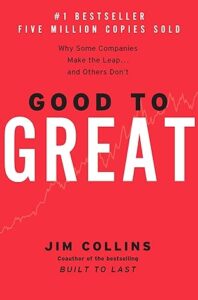
- Good to Great: Why Some Companies Make the Leap...and Others Don't by Jim Collins
- Advice Dynamics Partners
Full Transcript:
Michael: Welcome, Helen Stephens, to the "Financial Advisor Success" podcast.
Helen: It's a joy to be with you today, Michael.
Michael: I'm really excited to have you on today and to get to talk about, as I like to joke, marketing that actually makes the phone ring or at least the email inbox jingle with all things search engine optimization. Because I feel like the historical industry view has been, if you want to drive growth, you have to get out there and find it through all the various ways that we've done prospecting and networking over the years. Just sitting around and waiting for the clients to call you, the prospects to call you is like waiting for the fish to jump in the boat. So when you go fishing, not really how it works.
But it's always struck me, the reality is there are consumers out there who are actively looking for us. That's why there's been so much growth in the lead generation services from the custodial referral programs to SmartAsset and Zoe and Dataline and all those players. Consumers are looking. If you actually look up on Google, the number one advisor-related Google search is "financial advisor near me," which also I think, in part, helps to highlight how lost consumers are about trying to pick an advisor that they don't search for "best advisor for me." They just search for the one that's most geographically convenient to their home or office.
And I know you have spent time trying to figure out, how do you drive results from this reality? There are consumers looking if you can do the things with your websites to make sure your website is the one that comes up in the search, or now your firm comes up as the answer when they ChatGPT it with AI, that there are tools and techniques you do to make that the outcome that your firm is the one that comes up. And so I'm excited to talk to you about just what it really takes to make your firm come up as the answer when consumers are searching for an advisor and what you've been doing to be successful with this approach over the years.
Getting Started With Seach Engine Optimization [05:00]
Helen: Sure. Glad to share. Well, our firm was founded toward the end of 2011 and I realized we're turning 15 this year, which is unbelievable, and it's gone fast. But early on, I met a gentleman through the Chamber of Commerce here in Fort Worth named Mike Davis and he had a company called GoHire Marketing. And like, "Tell me more about that." And he was telling me about search engine optimization. Now, this was before search engine optimization was cool.
Michael: Yeah. 2011, not really a big thing. It was like a super nichey place that some strange hyper-specialized marketers played.
Helen: Sure. Well, come 2012, at the time I had no money to put into this, and anyone who's looked into this knows it's not a cheap endeavor. So Mike was patient with me. By the end of 2012, I finally had two nickels to try to scrape together and I said, "Okay, Mike, I'm ready to retain you, and let's go." And at that time I had a pretty rudimentary website. Can't remember who put it together for me. But back in that point in time, keyword stuffing and doing backend articles on your website were very effective techniques. Now, Google's gotten smarter, things have evolved. But I was with...
Michael: For those who aren't familiar, what were those techniques then that it sounds like you were experimenting with when that was in vogue?
Helen: Well, it was an article that would have "Fort Worth financial planner… wealth management," whatever terms you think somebody is going to go look on Google back then, that's what you wanted to have in your articles that you were putting on the backside of your website. They weren't the things that people were necessarily going to see from the front. So we...
Michael: So there's articles on the website of, "How to find a great advisor in Fort Worth, Texas," because you're in Fort Worth, Texas and you want them to find your website when they type, "Great advisor in Fort Worth, Texas."
Helen: Yes.
Michael: But you're not actually sending these articles out to clients.
Helen: Correct.
Michael: This isn't a blog marketing newsletter. This is a...
Helen: No.
Michael: ...oh, the search engine found it and not a single client found it. Darn.
Helen: They were actually pretty ugly articles. They were not the kind of thing you'd want to turn into your English teacher. And frankly, you would stuff whatever community you wanted. So if you wanted, here in Fort Worth, we have Arlington, we have Southlake, we have a lot of different communities surrounding Fort Worth. So we would target those neighborhoods, we would target those communities. And...
Michael: And target just means writing articles...
Helen: Yes.
Michael: ...about the fact that being an advisor in Fort Worth or Arlington or Southlake, so that literally when they type, "Financial advisor Southlake, Texas," because so many people do location search, you come up because you coincidentally have an article about advisors in Southlake, Texas.
Helen: That's right. And it wasn't just geographic. It was also estate planning. It was tax planning. It was all the various things that we do as planners. We would write that and put that on the backside too.
Michael: And just when we say article, how much article was an article? What kind of things were you writing?
Helen: It wasn't long. It wasn't long at all. Like I said, this was nothing that you wanted to turn into your English teacher. They were terribly written, but the whole purpose was when Google was surveying the landscape, you wanted them to land on your page. And over time, the more content that you have that is original, even if it's bad original, Google starts finding you to be an authority. And so the more pages you have that are unique and differentiating, the more Google, at that point in time, would see you as being an authority.
Michael: And so did this work for you as you were getting going into, I guess, 2013, 2014?
Helen: You can't believe it. My whole business…now we get a lot of referrals from great clients, but at the time I had no clients with which to give me a referral. So it was incredibly effective. We could target companies in our area. We could target...anything you wanted to kind of go for, we went for. Now, all of this comes at a cost. And I was just starting. I did not have the cashflow with which to go at this literally into the deep end, but I did it as much as I could because it was effective. And if you land one client from that, it pretty much pays for itself.
Michael: So how much client activity were you getting? What was good for you at the time?
Helen: Well, honestly, Michael, I don't remember that far back, but it just picked up steam over time. And I was putting regularly 10% to 15% of my budget into marketing mainly through Google, and then Google Ads came along. And so we were doing some of that. I learned all about Google Analytics and I would track, what are people reading on our website? What are the things that people are interested in? And then we would write more about that. Of course, when the fiduciary movement became a thing, we started writing articles about fiduciary and what does that mean to be a fiduciary? Just staying on top of all of the trends and what people were wanting in their content.
Michael: But I guess the key for all of this is you're talking about all these articles you're writing. These aren't necessarily for clients. They're not even necessarily seeing it. This is for...is the goal the prospect lands on your website and sees it or is the goal just Google thinks your site is an authority so they go to your site even if they weren't even going to read that article because Google just sees you're like a content machine?
Helen: Well, Google would put us up on the first page, and actually we ranked number one on Google for a number of different search terms and have for years. And that drives people to our site, which then hopefully they like the stuff that is written better. And they put an inquiry in either through the website or they pick up the phone and call us.
Michael: And were there things you were trying to do to get them from these articles to the actual point that they reach out and connect with you or was it enough that just on your page is a contact section and some people reach out and contact all by themselves?
Helen: Well, they would be driven to a landing page that then had a call to action on it. So they would get on there...and at that point in time, our website was very different than it is today, but the same thing applies. On your website, you want a call to action. If you like what you're reading, then give us a call, fill out our...request a free consultation from our website, and we get the email, and we're off to the races.
Michael: And were those the kinds of call to actions that you were creating even then where they find one of these articles and if you like what you're reading and you want help here in Southlake, Arlington, insert city here, please reach out and give us a call?
Helen: Yes, yes. Or put in a request through our website for a consultation. And of course, over time, a lot of that has evolved as Google has evolved. Google's gotten a whole lot more sophisticated and so must the strategies. Now we have geofencing, we have all kinds of things. I think the biggest misnomer that everyone thinks by doing search engine optimization is that I'm going to employ this strategy and I'm going to get overnight success. And that's not quite how that works. It takes time and constant investment to make an SEO strategy work. I've been investing in this essentially now for about 14 years. Still do it today. And I think that's why our growth rate has been just shy of 30% since 2020.
Evolving Content Over Time To Match Google's Preferences [14:00]
Michael: So share with us more how, I guess, it evolved. It started with a high volume of articles really just targeted to common financial planning or geography-related keywords that were in the area. So if they're literally searching for tax planning in Arlington, Texas, or wealth management in Arlington, Texas, here they come to you. What shifted or changed from there? What came next as you were executing on SEO strategies?
Helen: Because Google likes original content, they don't like canned content. So if it's a marketing firm that is selling articles to 25 different RIAs, let's say, Google's going to know that that's not original to those firms. And Google wants original, rich content that it feels has expertise. And so over time, we've really worked hard to have original articles. Of course, as social media has evolved, it's one article that can be used many ways. It's your blog post, but then it becomes maybe your snippet on a podcast, or maybe you use that same thing on social media or on LinkedIn. So it's create once and use many, and that's evolved over time.
About three years ago, our firm needed help. We have been very fast growing and we just felt like we could not keep up with creating these blog posts and all this content that is necessary to prop up your search engine optimization. And so we were lucky in that we found Beyond AUM and we consolidated all of our marketing and content creation to Beyond AUM. And they've been a fabulous partner and have just sharpened the saw on search engine optimization and actually really helped us make the leap over to answer engine optimization. We get a good many inquiries now from ChatGPT. And the people that land on our page from ChatGPT, they effectively always reach out to contact us. It's crazy. And now all of this is trackable, of course. So it makes it a whole lot easier to see where people are going on your website and to see what they're looking for.
Michael: So in this context, Beyond AUM is a marketing firm, a marketing agency that's helping?
Helen: Yes. They only work with RIA firms and I think maybe even as narrow as fee-only RIAs.
Michael: Okay. So Helen, I want to get further into Beyond AUM in a moment, but still I want to take one step back and understand this window between when Go Higher Marketing got you started with doing all the content before you got to Beyond AUM where it sounds like you're feeding this content beast, as it were, to keep things going on SEO. So how is this work getting done along the way? Are you the writer? Is someone in the firm the writer? Were you doing that externally to come up with this ongoing flow of original content? How did you actually sustain the strategy through the early years?
Helen: Yes, yes, and yes. I was writing content. People in the firm were writing content. Go Higher Marketing was doing their thing for the backend pages. We were writing blogs to put on our website. We were finding content that we could get our hands on and then changing it up to make it original to us. It was everything that you can imagine that we did not have time to do. So that's just what you do in the early days. You just wear a lot of hats and do a lot of things. And at that time, Candace Scholz, who's been with me for a long time, she's a great partner, she was writing content and we were rock, paper, scissoring going, who has to write this week? It was a little painful to be honest.
Michael: And was that the cadence, every week you wanted to put something new out?
Helen: We wanted to, we couldn't keep up with it. So we had to go to about every two weeks, three weeks. We were not perfect in our calendar, that is for sure. Because we were dealing with inbound inquiries. We were also trying to market externally. We were doing everything to try to get the firm to go.
Michael: Although it sounds like ultimately it was enough that activity was still flowing.
Helen: Yes.
Michael: How did you figure out what to write about? I'm going to imagine initially there's, let's do one for Southlake, let's do one for Arlington, let's do one for tax planning, let's do one for estate planning. Okay. So that's the weekly articles for the first year. What comes for the next five years?
Helen: Well, Mike was doing the things that go on the back of the website that we've talked about that are not pretty and they're not great. But Candace and I were fully focused on doing the things for the front of the website, for the blog page. And we would track that through Google Analytics to say, okay, what are people reading? What are they looking at? And of course, as we had clients, we would share those articles with the clients. And those were more of the planning, technical type of articles, like what to think about before the year ends that you need to do for taxes, or here are the things that you need to ask yourself about your estate plan, or here's how you should save for your child or grandchild's education. All of that kind of general planning advice kind of thing, that's what we were creating to put on the blog page of the website. And at that time, oh, by the way, we really weren't doing much with our socials.
Michael: And so the driver was, we've put all this content out, let's see which things either our clients are engaging with or consumers are searching and we'll do more of whatever the things are turning out to be popular.
Helen: Exactly.
Michael: It's like come up with a new spin to do that topic again, that kind of thing?
Helen: Yes. Rinse and repeat.
Michael: Okay. And again, I just want to make sure I understand. You weren't necessarily trying to drive all this content out in newsletters and the like. The whole point was this is just to optimize for more keywords so that people searching in the area or searching these topics will find their way to you.
Helen: Yes.
Michael: It wasn't overshadowed by all the personal finance sites that also do similar kind of content or is that part of how it's evolved? I feel like how to save for my grandchildren's college would be a pretty crowded space now.
Helen: Now. Then, I think the opportunity set was much larger. And again, this is a system that it just takes so much time. I've talked to other advisor friends who say, "Well, we've been investing in search engine optimization and we're not getting any leads." And I'm like, "Well, it's not a 90-day turnaround. It takes time to get this thing built and to have it finally start working. You're not going to be seen as an authority overnight by Google." And of course now it's more crowded than it was back then. We're just lucky that we started it when we did.
Michael: Do you recall even back then, how long did it take before the seeds started to flower?
Helen: I would say, at that point in time, it was really about nine months. And I was getting a little frustrated because here I'm pouring this money that I really didn't have to pour into this hope that I was going to have this holy grail of referrals or people coming in to the firm because they found us on the internet. And it took a little time for that to happen. But when it did, when it turned, it really turned. And we have had just a constant stream of inbound inquiries ever since.
Michael: So Helen, as you were doing all of this, were there particular keywords paths that were more or less successful? Did the location-based things like Arlington, Southlake do better than the topic-based ones like estate planning and tax planning? Was company-specific ones better than location ones? Which keywords actually drove results that got client outcomes for you?
Helen: In the beginning, it was more geographic. So if people were looking, to your point, financial planner near me, wealth management near me, then those resonated really high. A lot of times people were going on to research a question that they might have like, "How much life insurance do I need?" They would ask these questions of Google and luckily would see our result pop up in the first few results on Google. And then there we would be. Of course, that's evolved a lot over the years and it's different, but certainly after the fiduciary movement, anyone looking up fee-only planning or financial planning for a fee, those really started resonating with Google as well and got us really high results.
Michael: So Helen, where did it evolve next? I feel like there's phases. Phase one was geographic based, and that drove for the early years. Then Department of Labor did their fiduciary thing, fiduciary fee-only was a big driver for a while. So where did it evolve next in the keywords and SEO that were driving outcomes for you?
Helen: I think the evolution was, just like with anything else on the internet, as opposed to going in and putting in a term, people started asking questions. It's those content-related questions that I think started driving people even more toward our content. They were looking for information on, how much insurance should I have? How do I do this? How do I do that? Anything that is technical plan information. And that started landing. So all the content-related pages over the last several years are what really ranks on our website.
Michael: So how much insurance should I have? How to do a backdoor Roth conversion? Things like that were driving more outcomes?
Helen: Yes, but in particular, we find that anything tax-related is very popular. People don't like paying taxes, Michael.
Moving From Internal Content Production To Working With An External Marketing Firm [25:49]
Michael: Yeah, most of us really enjoy reducing the tax bill. So then where did Beyond AUM come into the picture? Why the shift from what you were doing to a new provider?
Helen: That was a very painful transition for us. We just needed more help. We could not continue. We went through a period of time with a content provider doing articles and things for us, but they just were not sophisticated enough for the types of clients that we were trying to attract. They were probably great for a young professional target market, but not for ours. And so we just needed a better fit. And we felt like it would be great to be able to only have one provider to do all of this for us, and Beyond AUM can do everything from public relations to social media management, to article creation, to invitation creation for our events. They're really a one-stop shop for us. And so at that time, we decided to consolidate everything to Beyond AUM and quit trying to piecemeal it. It was just getting to be too much and too difficult. And to have that one-stop shop, and to have their brain power, they know this stuff. I'm a financial planner. I'm not a marketing genius. And so I really need their expertise and they provide that, and they know more about how to do all of this answer, advice engine optimization than I do. It's kind of gone beyond my understanding, to be honest with you.
Michael: So just curious, from a firm perspective, was there a point where you thought about hiring this and bringing it in house, like to say we're going to have an SEO marketing manager on the team, or was it always a path of we do the content internally but we want to outsource externally all the rest?
Helen: That's a great question. I really considered, for a short period of time, hiring somebody to come in who could do things for us. However, I think to have somebody who can be an expert in all of these different areas is difficult to find and I could hire Beyond AUM for about the same cost as a human and, oh, by the way, I get access to a lot of different team members on their team all who are experts at the one thing they do, whether that's writing, whether that's social media, whatever that is. So I just felt like we were going to get more bang for our buck by going with Beyond AUM.
Michael: And it sounds like, from what you said, that wasn't a cost savings per se in that Beyond AUM still costs you the same as a human. So however many thousands of dollars per month, but you get more than what one human likely knows when you work with a larger agency that's got multiple folks on board. So if I'm understanding right, that was the driver. It's not an insource versus outsource cost savings decision for you. It's a who's just got the breadth of capabilities and services and ability to keep up with it. Oh, I'd rather just have it be all their problem than have to hire and manage the right person that knows all the things and retain them.
Helen: Yes, exactly. I haven't found...I have two daughters who study communications in college and I spoke with them about it and it's really rare to find somebody who knows how to do search engine optimization, who knows how to do all the social media stuff plus the PR. They can dabble in each of these areas, but they're not experts.
Michael: And so are they also creating the content now or...
Helen: Yes.
Michael: ...do you and the team keep that?
Helen: No, they create the content for us now. We put together a content calendar with them. We meet with them every month and we approve everything. Obviously, compliance has to approve. But they're doing all the writing now and the only thing we still create in-house are our monthly webinars. But they really do everything else for us. All that writing, all that content, our blog, our socials, it's all them.
Michael: Interesting. Aside from approving topics, are you involved in the content creation at all or they've just sheerly got the depth to be able to figure out the content to put on the website and actually create it with CFP-level knowledge appealing to high-value prospects?
Helen: Right. So now when we get the article in...and I'm removing myself from all of this at the current time, succession planning is in my future. So when we get the articles, there are times that we may suggest that they add a point or two or edit in some small way, but by and large they're doing all of the writing and we're approving. We are really not involved in the article creation at all.
Michael: Interesting. And this transition was about, I think you said three years ago?
Helen: Yes. And it's fabulous.
Michael: So what's shifted over the past three years?
Helen: A refinement of everything that we do and how we do it. They run on Traction, we run on Traction. They're very focused on our target ideal client and it's not just how much money do they have, it's all the psychographic, where do they hang out, what are their hobbies, what are their interests, what do they like to do? And all of these different things all go into this persona, right, or these personas and that's what they're writing to, and it's just taken such a lift off of the team. We just didn't have the bandwidth to keep up with it anymore.
Michael: So what happens with all the free time that you've created as you send it out?
Helen: Oh, you're hilarious, Michael. There's no free time. We have a lot of inquiries coming in the door. We've got a lot of meetings going on. We need to love up on our clients as much as we can and keep space for inquiries and new clients and new planning clients.
How Aspen Wealth Management Is Benefiting From Answer Engine Optimization [32:50]
Michael: And I think you said part of the work with Beyond AUM over the past few years has now been trying to lean into Answer Engine Optimization [AEO], how do we come up in AI search tools. So can you share more of what you're doing there or what they're doing with you in the answer engine optimization domain?
Helen: That gets a little outside of my expertise, Michael. I was very involved early on when we did SEO but now everything about this has just gone past me. I'm 58 years old. I'm an old dog. I'm really having a hard time learning the new tricks. I do know though that every single month the number of people coming to Aspen Wealth Management's site from ChatGPT is increasing. We're watching it and it is unbelievable to me the number of people that do land on the site that make an inquiry. It is not quite 100%, but it's really close, nine out of ten.
Michael: Which is fascinating. What that implies is they're not looking up financial planning tips and coming to your website, because I think the AI tools just give them an answer directly. So the implication is no, they're basically asking ChatGPT, "Find a good financial advisor near me. I'm in Southlake." And it is saying, "Well, you should contact Aspen Wealth Management because they're a recognized advisor in Southlake." And so they get to your website already having the intent of, well, I came here to reach out to someone, ChatGPT told me to contact you.
Helen: It's actually that they're trying to do their own financial plan with ChatGPT.
Michael: Is that what you find?
Helen: Yes. Eventually they get themselves talked into a hole and ChatGPT says, "We think you would be better served by finding a financial planner in your area. Would you like for me to make a suggestion?" To which they say yes. And that's when we get the referral from ChatGPT.
Michael: Because, I'm assuming, just you've asked them, "What led you to us, and what was your journey?"
Helen: Yes. And they show us their ChatGPT file. So they start with a generic financial planning question and then they get into the hole of ChatGPT keeps asking them question and question and question and they get nowhere. And finally ChatGPT gets exhausted and says, "Can I make a referral?"
Michael: You're using too many credits. This is no longer a profitable ChatGPT session for ChatGPT. That's fascinating though that...I feel like the joke in the financial advisor world for a long time was, yeah, but how deep can the AI tools ever really get to know to understand you? And you got to watch out whether it's going to hallucinate and how deep can its advice really be? It's fascinating to me that now it's gotten to the level that because ChatGPT has put its own guardrails in place, I think around a lot of domains like finance and health and a few others where...I'm guessing ChatGPT is just afraid it's going to get sued if it gives too much medical or financial advice that people act on that turns out to not go well, that the tool has figured out that when it needs to make a referral out because it's in over its own liability or knowledge head and the thing it does is it says, "Would you like me to help you find a financial advisor?"
Helen: If tax planning was easy, we wouldn't need Holistiplan.
Michael: Yeah. What was the great quote I heard the other day from Derek Sivers? "If information alone was enough, we'd all be billionaires with great abs."
Helen: Absolutely. I love that.
Michael: And I was going to ask, how do that they're finding you through ChatGPT? I guess you see the sessions coming from ChatGPT and Google Analytics and you just ask them when they sign up, "How did you find us? Where did you hear about us?"
Helen: Yes. We ask every inquiry, "How did you come to find Aspen Wealth Management?" or, "Who may we thank for the referral?" And they say, "Well, actually, I wasn't referred to you except by ChatGPT." We had our first Gemini referral the other day too. I don't know where that's going, but up to now it's all been ChatGPT.
Michael: Interesting.
Helen: Yeah. We track everything. And I would say anyone who wants to bite off SEO, AEO, meaning answer engine optimization, if you're not tracking your analytics, that's kind of a basic 101 thing, right? You've got to get on your analytics and know where people are finding you from and what the content is that they're reading and engaging with.
Michael: And so what do you look at to figure that out? What's your...?
Helen: The dashboard on Google Analytics. I've tracked that from the very beginning because I wanted to know that I was getting a return on investment early on. And now Beyond AUM created this super cool dashboard for us that we can just go in and see the results across time frames, which you can on Google Analytics too. It is our Google Analytics' dashboard. They just made a big giant dashboard for us of our Google Analytics, our Facebook analytics, our LinkedIn analytics. So we can really track everything.
Michael: And I am fascinated by this. Not with saying all the other discussion of, I guess take action, how do I do this articles and fiduciary articles. If I heard you right, I don't know if it was meant to be this literal, but when you get to the end of the rabbit hole in ChatGPT and it wants to kick you out, it's saying things like, "Would you like me to just find a financial advisor near you?" Which goes full circle back to 15 years ago that now when ChatGPT decides to suggest you, it's because we're back to Southlake, Arlington, Fort Worth, location-based because it knows where you are because it can read the internet. And all the SEO that you already did shows up the same way when it basically does its own location-based search on behalf of the user of ChatGPT.
Helen: Isn't it amazing?
Michael: Yeah, it really is. It just like that came fascinatingly full circle because I feel like the fear for a lot of media folks these days is consumers don't seem to be going out to the internet for informational content as much as they did in the past. Because I used to type the question into Google and read the article and now I type the question in the ChatGPT and it reads the article and tells me the answer. So, I don't necessarily go to articles to read answers the way that I did before, not me personally, but the collective we of consumers and almost every media site has seen traffic declines. So, it's striking to me that now we're back to where we were 15 years ago where I got my information from other places, I'm ready to take action, and if I like geographic convenience, which granted not all clients do, but many clients do, we're right back to local geography search.
Helen: Well, and ChatGPT gives you the links. If it gives you an answer, it tells you where it found the answer. So you can click on that and if they're pulling from an article that is on our website, then people can click and get to our website and read the article. So I don't know how much of that is going on, but certainly it's happening.
Helen's Ideal Target Client Profile [41:27]
Michael: And who are the ideal clients that you're going after? What are prospects for you?
Helen: Our target prospect is between $2 million and $7 million and is a pre-retiree.
Michael: And that's the level of folks that are finding you in Google and ChatGPT?
Helen: Yes.
Michael: I think, I don't know, I feel like that's a surprise for some folks who are listening, I suspect, who just would not have assumed that's how higher-net-worth folks are finding advisors.
Helen: 25% of our Google leads, or all the leads, whether they come from, ChatGPT, all of the inquiries into Aspen, 25% of them are qualified between $2 million and $7 million. Some of them have funds, they're invested or they're business owners, so they're not super liquid. I'm not including those in that 25%. They certainly have the net worth. They just don't have the liquidity, but we can still do a great financial plan for them and love them and nurture them until the time they sell that business.
Michael: And I guess in the theme that you highlighted earlier, I guess the irony, if my dollar amounts are smaller and my situation maybe is a little bit simpler, I might really just actually get the answer from ChatGPT and call it a day. It's the higher-dollar clients with more complexity who start saying, "Well, but what about this? But what about this? But what about this?" And keep asking for more context because their situations are genuinely complex, that those ironically probably are the prospects that ChatGPT is most likely to say, "You know what? Maybe I should just refer you to an advisor in your area. Would you like me to find one?" It's the complexity of the client that makes them good for us that also happens to be the complexity that makes them not finish their whole journey on ChatGPT. It has ChatGPT send them out.
Helen: Michael, we're needed. We're needed in the world.
Michael: So help us understand just, I guess, numbers and flow overall. So at the end of the day, how many leads come through in these various SEO channels for you every year?
Helen: Well, we track summer to summer, which throws some people off because we have what we call our charge meeting. Other people may retreat, but at Aspen, we charge. And our charge meeting every summer, we restart our data. So in our 2024 to 2025 scoreboard, we had 137 of our inquiries come from Google.
Michael: Wow.
Helen: Yeah. We had 65 come from referrals or COI [Center Of Influence] referrals.
Michael: Oh, wow. So your pie slices of activity is basically two-thirds Google SEO, one-third referrals.
Helen: Yes.
Michael: And you said about 25% of these ultimately proved to be qualified at your $2 million-plus level.
Helen: Yes.
Michael: And then, I don't know if you keep this data, what does close rate look like for you? Traditionally, I think the view is referrals close at very high rates and everything else is much, much lower, but I don't know how that shows up for you.
Helen: Well, you're not wrong. What we call a plan conversion, meaning they go on to sign up to do a full financial plan, the plan conversion rate runs around, depending on the year, 15%, 20%.
Michael: Okay. Okay. So you do still have to deal with more people kicking tires and asking questions and being challenging in all the wonderful ways that prospects are.
Helen: A little bit. Yeah. I will say we've done some things on our website to try to help people self-select out. And so that's helped those statistics a little bit.
Michael: What do you do to help people select out?
Helen: Well, we have an FAQ page that says very plainly what a plan is going to cost. And who are the people that we want to work with…they're delegators. We try to make it to where people can say, "Oh, I could see myself there," or, "No, they're not going to be a good fit for me." So we're not getting people that are looking for things like debt consolidation. We're not getting anything like that. But we do get people who are under the impression that we work for free, that we'll do a financial plan for free. We don't do that.
How Aspen Screens Out Leads Who Aren't Good Fits For Its Services [46:54]
Michael: So it's always fascinating to me that there's this shift that happens for a lot of us in marketing where early on the opportunities are scarce, so we just want to take on anything that we can get an at bat for and try to win and try to convert any business. But if the marketing funnel gets robust enough, there comes a point where a lot of lead flow and activity is coming through. And it's great to talk to lots of good-fit prospects, but it is very time frustrating to talk to bad-fit prospects and it's worse to talk to a high volume of a bad-fit prospects. And so there comes the point where it's like the switch flips and all of a sudden, I'm not trying to draw in as many leads as I can. I'm actually starting to filter them because I don't want to fill my calendar with bad fits that aren't going to do business anyways. And then all of a sudden, I'm actually trying to winnow down leads that I would not have necessarily done early on, but now it makes sense.
Helen: Right. We don't let people just get on our calendar. So when an inquiry is made, generally they're doing that through our website. There's a phone call that's made. And so we're still refining. It's always difficult, but trying to keep those people off the calendar. So if they're not great fits, then we'll refer them out to somebody else that we think would be a better fit for them or send them to another resource that we think might be able to help.
Michael: So who's doing the phone call?
Helen: We have both our very capable and long-time client services professional, Michelle, on the frontline of our firm. She was my first hire many years ago. And so she's talked to scores and scores of people and she does a great job of trying to qualify people out. If we have somebody who comes through our website, we generally ask them what their life stage is and how much investable they have. And if there is someone who is obviously a high dollar, sounds like it could be a really good fit for the firm, then generally that'll be sent to either our business development person, who's also a planner on our team, to give them a phone call or even one of the other senior planners. It just depends on everybody's bandwidth and how much capacity we have.
Michael: Interesting. So I guess the filtering, if it's someone who clearly qualifies by assets and life stage, then it might go to one of the advisors' calendars to do business development. If they're not, but they otherwise have made an inquiry and we just want to clarify, maybe there's still an opportunity, they didn't express it well in the form, that goes to Michelle, and then Michelle has a conversation and decides either to refer them out or to move them onto an advisor's calendar.
Helen: Yes. And if they're a young professional, we have one of our senior associates as the head of our young professional program and that lead goes to him and he can call them and qualify them and talk to them about our young professional program.
Michael: I'm just trying to visualize literally the form or the intake process. How does the routing actually happen? Does the form change of who they're going to get to schedule with depending on which investable assets box they check off? Does every form go to some standard inbox and then they get a follow up that's either you click the schedule with Michelle button or click the schedule with business development advisor button? How do you actually handle the flow to make sure the right prospects go onto the right person's calendar?
Helen: Sure. So every single inquiry goes to a certain mailbox. It's [email protected]. And Michelle is the gatekeeper. So Michelle gets the info@ box. She monitors that box. And depending on what box they checked and what they look like, either she'll call them directly and screen them through or she'll forward it on. And she can see everybody in the firm's calendar. She knows who's going to have the bandwidth of time to get back to that inquiry. And so she can direct it accordingly. If they're going to be somebody who wants the Southlake office, well then we need somebody who is going to be up in the Southlake office. If they are a Fort Worth person, then it's going to be a Fort Worth person, and so forth and so on.
Michael: Okay. So when prospects reach out, they're literally not even hitting a Calendly scheduler. They're just submitting a form and Michelle's going back to them to schedule them herself or to forward to an advisor who will schedule them. Or do they submit a phone number and you just literally call them?
Helen: We call or email them, whatever they prefer. But no, we don't let anyone just get on our calendars. So when she forwards that inquiry on to an advisor, they can make that phone call. They can determine if it's a great fit. And if it is a great fit, then they can get on the calendar and we've got something set, and we've got a whole workflow around that.
Michael: Okay. And if you're still not sure if it's a fit, Michelle is comfortable to take that call.
Helen: Yes. Yes. She's been doing it for so long now that she knows who should make it through the gate and who we should try to find another resource for.
Michael: And it sounds like her role isn't to convince the client to come on board and get the client. It's to determine if they're financially qualified so you know whether to commit an advisor's calendar time to continue the conversation.
Helen: Yes. And what are they looking for? If they're coming in because they have a very specific modular need, well, that's not what we do. We don't do modular planning at Aspen. So we want to get you with another firm locally that we know or in the Metroplex that we know and could certainly handle that for you. We've tried to network with a lot of our peers here in the area to where if they do that kind of planning, well then we'll make an introduction and see if it's a fit.
What Aspen Wealth Management Looks Like Today [53:41]
Michael: So then help us understand what this all adds up to, as it were. Tell us about Aspen Wealth Management as the advisory firm as a whole exists today.
Helen: Well, today we have 342 households. We have $670 million under management. We have an annual growth rate since 2020 that's just shy of 30% per year. And in that 342 households, we have 60 households that we call our young professional program and they are under 40, they are prolific savers, and they really want to do everything right early on. And the target is that they will be over a million at the age of 40.
Michael: Okay. So how many people is it in the firm? Team members.
Helen: Well, today we have ten. We have ten team members and there's four seniors that are partners, including myself. We have a planner who's a business development individual. We have a senior associate. We have an associate that is also a trader. And in two weeks, we have a new lead planner coming on board. We have a new associate coming on board in June and we have an intern coming on this summer.
Michael: And then what does it look like in terms of administrative, operational, other support team?
Helen: So we have a director of operations and we have two client service individuals.
Michael: Okay. So I'm trying to think through, so four seniors, a biz dev, two associates, a director of operations, and two client service.
Helen: Yep. That's exactly it.
Michael: Does that take me through the team?
Helen: That's exactly it. And I think one of the things that I've been blessed throughout the journey at Aspen is to be able to hire ahead of growth. So we've never really been caught flat-footed where our growth rate has been...where we can't find somebody to come to work for us. I've been very lucky in that regard that we've always been able to hire ahead of growth, and then the growth comes and we grow into it.
Michael: So is there a trigger point for you where you hire? How do you know when to do the next hire?
Helen: I read all these different metrics that come out as to when it's a right time to hire somebody, but I never feel like it's that perfect. I've just been so lucky that people have found me and have approached me and want to come to work for Aspen. And so I've never really had to go out looking for a planner, to be honest with you. I'm just spoiled.
Michael: But you've got to make the decision when they come to you and knock on your door whether now is a reasonable enough time to say yes, as opposed to, "I'm sorry, we need to go a little bit further before we can take you on."
Helen: Yes. I wish it was more scientific because it sure is heck on the margins when you hire ahead of growth. But generally when these wonderful people, who I'm lucky enough to work with every day, when they've approached me, it's been the perfect time. It's really, you find that great person who fits with the culture. That's a lucky find. And they still have the servant's heart and they really fit with the team, I'm going to grab them and I know we're going to grow into it. I'd rather have it that way and have the perfect team member that fits with our company and our culture and has the right servant's heart for our clients. I would rather find that person, bring them on and suffer a little bit from a margin than get to the other position where you've had too much growth and you can't find that great fit.
Michael: And then can I ask, where does the revenue sit overall for the firm now?
Helen: Revenue is a little over $4 million.
Michael: Okay. So what drove so much growth over the past five years? I'm just struck, 30% a year for five-plus years is like three-x almost four-xing the firm in total. So you've grown more in the past year or two than the first ten combined, I think, by that math. So where's it all coming from?
Helen: Well, it's a combination. I always think about the book "Good to Great" that we all read many moons ago and the concept of the flywheel. And it just feels like when you start out, you just push and push and push and the wheel just won't move. And then when it starts moving, it really moves. So now we have the bandwidth of clients that we get a lot of referrals, and you combine that with all the SEO that we've done over time, and then you combine that with the fact that we've always been willing to do financial planning for a fee without requiring assets. And those people are now starting to have those life events that they're coming to us going, "What do I do with this money?"
And so it's just kind of that three-pronged approach. And it's just been the span of time. Now that we've been in business for 15 years, our pipeline is really large. And those planning-only clients have had a great experience and they're excited to come back with a trusted team that they already know and are familiar with. That combined with those client referrals, and then still the answer engine optimization that's going on is just a really great...we're just having great success with it all.
Michael: So what comes next from here as you look out over the next three, five, ten years of the business?
Helen: Well, last summer we had our annual charge meeting and we do that with the entire team. And we set out to be $1.25 billion in five years. In order to do that, we made our hiring plan and we're executing on our hiring plan right now. We are executing on some marketing initiatives that we've had. So we feel like we're in a really good position to keep this going.
How Helen Began A Succession Plan Early On In Her Firm's Life (And Plans To Sell Her Entire Ownership Stake To Internal Successors) [1:00:35]
Michael: And what's your time horizon to all of this? You said earlier, you're 58 coming into this, having been going for 15 years in the firm already. So what's your time horizon? What comes next for you?
Helen: Funny you should ask. I am hoping to be part time in 2027.
Michael: In 2027, that's close. Okay.
Helen: Yes. And then I hope to work part time for several years with a key group of clients that I'll keep, but I am well underway in a succession plan. In fact, we're executing on the documents for another sale of the company. I've been moving equity since the firm hit $100 million and we've done it a little bit better than that. So I'm hoping to be a little bit at a time. So far, I'm down to 60%...of the 40% that I've relinquished, 5% has been by gift and 35% has been a sale. And those gifts have been internal to my team.
Michael: Now I have so many more questions. So tell me, all right, so gifts first, then sale. So tell me about the gifts. What was the gift? How did that work? Who received?
Helen: Well, the first gifts were to Michelle. I already told you she was hire number one. And then gift number two was to Candace. When Candace first came on board with me, it was in 2014 and she had come out of the Texas Tech...she was a career changer, Texas Tech master's degree in financial planning. She came to me and said, "I want to work for a fee-only firm in Fort Worth and you look incredible." And I said, "I have no money with which to pay you." And she says, "Well, that's okay." And I'm like, "It's not okay. You need a wage." And so we made an agreement and that girl did not make very much money, let me tell you. So when I started moving equity, obviously I wanted to do something for her to say, this is something we've built. It's not about me. It's about we. And so I gifted her over December 31st and January the 1st up to the IRS gift limit in stock of the company. And I've tried to do that along the way with everyone who has worked at Aspen who has helped build it. I think that's super important and to share in the success that we've all done together.
Michael: So gifted up to gift limits, but in shares of stock split over tax years. So I'm assuming, I guess you said earlier, 5% in gift across people. So these are not huge stakes, but it's meaningful dollars to the team and the opportunity as they get a percent or a portion of a percent in shares that will appreciate for them, well, I guess have massively appreciated for them given your...
Helen: Right. Those initial gifts are six times, maybe even more, valuable than they were when they were received. And that was really on purpose. I really believed in our firm and our team. And I know that it's not the firm that Helen has built. It's the firm that our whole crew has built. And it meant a lot to me to be able to do that and to reward them in some way. We don't have a fancy stock plan, phantom plan, any of these things. It's pretty straightforward. I don't want to get too fancy with it. Plus, we're a sub[chapter] S corporation.
Michael: So then when did the sales kick in?
Helen: So the sales kicked in...my first sales were in 2020. And I also think when you talk about our growth rate, people who are equity shareholders view things a little differently than straight W2 employees. And I also think our growth rate has an owner effect to it. I have three partners and they act like owners. They are entrepreneurial in their own mind and they are very driven for success of Aspen. Now that they are owners, they're motivated.
Michael: So how did sales work? If I can ask, how much did you transition? How did you value it? How do you finance it? The internal successions can be challenging for some firms. I'm very curious how you actually went about the execution of this.
Helen: Sure. So we get a valuation. If I'm going to move shares, then we're going to get a valuation that's fair for both sides, right?
Michael: Okay. And who do you use for the valuation?
Helen: Advice Dynamics Partners, David Selig. And so we get the valuation and then I determine how much I'm willing to let go of in any particular year. And we have all the internal documents that have been legally done and we execute. And up to now, it has been the bank of Helen that has been financing this. And I am about to sell 9% and it will still be the bank of Helen. And then in 2027, at the time that I go part time, we're going to have what I call the big sale, and we are going to go from my 51% down to 19% and we'll expand the ownership.
Michael: So when you do the external valuation with Advice Dynamics Partners, do you sell for the outright value? Do you do any kind of internal discounting, minority discounting? Some firms have ways that they try to adjust the price and others say, "No, the price of the firm is the price of the firm. Would you like to buy it from me?"
Helen: Well, you discount it less if I'm the bank. But at the time that I have the big sale, the team knows they're going to have to go find the external financing and take me out. And at that point in time, I fully expect to have to take probably a 25% discount.
Michael: Okay. Why? Just for sheer financing affordability?
Helen: Part of it, but it is closely held, like any other business. And I do recognize there are people gasping out there that say, "But my goodness, you could sell externally and get so much more money." And it's not about the money for me. We want to stay ferociously independent. Our clients have told us they want us to stay independent. So if that's the goal, if that's what I think is in the best interest of our team and our clients, which I do, then I have to be willing to give a little in that too.
Michael: And so what triggers the...you were comfortable to do bank of Helen...and I like how you put that, bank of Helen financing in the earlier stages, but are expecting them to do an external financing here. So I'm curious to hear more of your thought process through that.
Helen: Well, once I'm a 19% owner, I think it's just a better division of church and state if they have their own financing and it achieves a couple of objectives. One, I'm stepping back and I'm trying to go semi-retired. We'll see if I manage to do that. Stay tuned. But I don't think it's a good practice over the long haul to be the banker for your partners. We've done this because I could make it way more affordable for them by keeping the rate at a very reasonable amount versus what they could get externally. So it's gotten us pretty far down the road. If you think about it, by the time that I have the big sale, I will have sold off 49%...well, minus the gifts, but I will have relinquished 49% of the company and they've done it at really great interest rates. So I feel like it's been a great time for them to build equity in the company to where now they should be able to take it over and service the financing just fine. Cash flow solves a lot of problems.
Michael: Well, and I guess practically they already collectively own 40%. So they've got some cash flow already from the shares that they own and they get cash flow from the shares that they buy because they'll own them at that point. So I assume that bridges the gap a lot from them trying to buy 81% of the firm from scratch all in one fell swoop.
Helen: Yes, they will have a lot of equity already built up by the time we have the big sale, which was kind of by design. We hoped it was going to turn out that way and it has.
Michael: So who gets to participate on the other end of the buying process? Is this all team members, certain team members, certain roles? How do you decide who participates?
Helen: So right now the sale I'm about to embark on is going to be the same three partners that I have already. And they can each buy 3%, which I think all three of them will buy their 3%. When we have a broader sale, like what we're talking about doing in another year, there are great team members that we would love to be able to bring in as partners. We want to continue to be employee owned and we want people to have the opportunity to participate in that if they want to.
Michael: And I've got to ask, how does management work on the other end of this? Do you step away from management? Do all the owners and new owners get the proverbial seat at the table or are you coming up with new and different structures about how management works on the other end of this?
Helen: We just finished redoing our operating agreement. So we've changed it from being a founder-centric agreement to a member-managed agreement. So it changes the rules. It's not just what Helen says goes anymore. This is our year to work any kinks out of that system, but we do have a leadership team. I don't see that team changing going forward, but certainly if people are investing their hard earned money into the company, they need to have a seat at the table. But there are rules set out in our operating agreement that state what percent agreement for something to happen if we were to try to go out and acquire somebody, for instance, which I can't imagine we do, but you never know. So the operating agreement lays out what percentage of ownership has to approve whatever the action is.
Michael: And so you get things like 51% has to approve an acquisition, 80% have to approve a sale or something along those lines.
Helen: Something along those lines, yes. But that operating agreement was a big hurdle in going from being Helen's the founder and she's the boss and what she says goes to we're all in this together. We're a leadership team and I will relinquish the leadership of the firm at that time.
Michael: So what kinds of things did you actually have to codify into the operating agreement? It sounds like buying and selling would be a big one. That's common. What else did you put in or just what else did you have to talk through and negotiate through and navigate through to get an updated operating agreement?
Helen: Well, the managing member, how does somebody become a managing member? How does a managing member get replaced if needed? What if the managing member doesn't want to serve in the managing member role anymore? How much money can somebody spend without getting the approval of other people? How do we get people at a certain age? When must they start relinquishing their shares and how many years do they have to do it? So for me, once I'm down to 19%, I'm going to have five years to sell the rest of my shares to zero.
Michael: Oh, wow. Okay.
Helen: So there's no perpetual partners. So the idea is that by the time that I'm 65 years old, I will have no ownership left of Aspen.
Michael: Okay. I guess in theory, you could keep working there and serving clients if you want and get some kind of compensation for the work. It's the ownership that has to transition.
Helen: Yes. So we laid out and defined all those rules, which feels really good.
Michael: And just inferring from the whole conversation, but it's not a concern for you that you don't get to continue on this ownership journey longer for a firm that's still growing so well.
Helen: When you put it like that, Michael...
Michael: I'm not trying to make it negative, but I just...
Helen: No. I recognize that it would be ideal if I could hang on to a little bit for a long, long time. But is that the healthiest thing for Aspen and Aspen's independence long term? If that's the goal, then I need to be willing to give it up.
What Surprised Helen The Most Building Her Advisory Business [1:15:50]
Michael: So what surprised you the most on this journey of building an advisory business?
Helen: What surprised me the most, I think, is how lucky I've been with the people who have shown up to work alongside me. I can't say enough about our team. And I just can't believe that such wonderful people would show up wanting to work with me, that I met from conferences or whatever. I've just gotten so lucky. And I believe in that team so much. I never knew that I could have such faith and trust in a group of people that, frankly, are going to take care of me and my family when I retire. So it's a really comfortable place to be in.
Michael: And was this something you did by design, that you were trying to network and put out feelers and always have people in your pipeline, or these are just moments of serendipity as life happened?
Helen: Serendipity is just...it's crazy. But I feel very blessed and very lucky and humbled that they would want to come and work with me.
The Low Point On Helen's Journey [1:17:07]
Michael: So what was the low point on this journey?
Helen: Well, the low point of the journey was how Aspen was founded. I was working at a firm that I thought was my forever home. And we were not fee only. We had a broker-dealer relationship. And our founder and owner decided to get us in bed with a pretty unscrupulous broker-dealer whose idea of financial planning was selling private placements and other really bad investment product to seniors. And I just couldn't believe it. And so I went and had a conversation...because I was one of the principals. I was the head of planning. I was doing the financial planning for clients. And I love the clients. And I love my co-workers. But I went and I just said, "I can't do this. This is not ethical to me. It doesn't feel good to me. And frankly, it really doesn't fit in the parameters of a lot of these financial plans." And I was basically told to get in line and do it. And so I said, "I quit. I'm not going to do it."
And then I started looking to see, okay, who does financial planning in Fort Worth that I could go to work for? And there really wasn't anyone leading with planning. And so that's how I founded it is I thought, well, if nobody else is doing it, there's a need out there and I'm going to do it. And so I did. That year particularly, Michael, was incredible because it was the year that the SEC said, if you're under $100 million, you have to go back to your state. So I was trying to get my shingle hung and I'm in this long line of people in the State of Texas having to register. So it took a hot minute for me to get started, but I did and away we went.
Michael: So I guess I'm just curious, in retrospect, what changed that this was a firm that you were at, you were a principal at, you were embedded in ostensibly when things were going well, and then suddenly you're in this new line of business offering these things that you didn't used to offer? What happened or what changed that the firm took that kind of turn?
Helen: It's more profitable, Michael.
Michael: And that was the allure was just the numbers were too compelling?
Helen: That's the allure. Could make a lot of money if you sell really bad things to sweet people. And I just wasn't going to participate in that at all.
Michael: And they hadn't been doing it, but someone came along with a pitch that was too profitable to refuse, so the firm changed tacks, that kind of flow?
Helen: Pretty much. Unbelievable, I know, but I lived it and it wasn't very fun to live through. But Aspen wouldn't be here today if I hadn't gone through that. It wasn't very fun though.
Helen's Advice For Her Younger Self And For Newer Advisors [1:20:22]
Michael: So what else do know now you wish you could go back and tell you from ten or 15 years ago as you were just getting started with Aspen?
Helen: Well, I might flip that around and say, I'm glad I didn't know then what I know now because I may not have had the guts to do it. But for anyone thinking that they're going to break away or leave their firm and start their own, a couple of things. I think they'll be surprised by who comes along with them and who finds them and wants to still be with them. And they'll be surprised by who doesn't, because you think you have these relationships that don't follow. And so that's a tough thing, but you just have to look forward. You can't ever hang on the nose. You've got to just keep pushing to the yeses and every day figure out another way to connect with somebody new.
Michael: So what was it that, I guess at least in retrospect, was surprising about the launch that if you'd known, you might not have had the guts? What was worse than expected?
Helen: Just how long it takes to get your first set of clients. I had a lot of coffees to talk about financial planning. And in the end, it was like, "Thank you for having coffee with me. Could you suggest maybe a couple of other people that would be great connections for me?" And I made myself do that every stinking day for months on end. I was a working mom with three kids in school. It was not easy. It was not easy, but you have to do it, get out there, network, build your connections. And eventually you get enough traction to where people start knowing that you're not going to go away, that you're really in it for the long haul.
Michael: And how long did that take for you?
Helen: Oh my gosh. I think finally getting traction, it took until the end of '14. Third quarter of 2014, I think we finally started having a decent amount of activity. The SEO was turning things at that point. The networking was starting to pay off and we really were off to the races at that point, but it took a hot minute.
Michael: I think you said you launched in 2011, so three years.
Helen: Yeah. The end of 2011. Yeah. It was a long three years, Michael.
Michael: Yeah. I'd say that sounds like a long time to grind it out, one coffee, talking about financial planning, and who else do that I should be talking to at a time.
Helen: Yeah. Yeah. No, it was a lot, but it laid the path though for the success that we are enjoying today.
Michael: So what advice would you give younger, newer advisors coming into the profession today and trying to get started?
Helen: I would say stay positive and keep the faith and just do what you can every day to try to make a new connection because you never know where those connections are going to lead. And life is not a straight path. It has lots of twists and turns and just enjoy it. Just enjoy the ride. I started in commercial banking and now I'm the leader of a great financial planning firm and life just is not a straight line.
What Success Means To Helen [1:24:14]
Michael: So as we come to the end here, this is a podcast about success and just one of the themes that comes up is that word success means very different things to different people. And so you've been on this wonderful path of building this very successful business. I think it's $670 million on path to cross a billion in the next few years. So the business seems to be in a wonderful place. How do you define success for yourself at this point?
Helen: I'm going to know that I've been successful when I get Aspen fully transitioned over to the next generation and see it even go to the third generation. That's going to be success to me.
Michael: Seeing the business that continues to live on beyond your founding and your involvement.
Helen: Yes. I feel like I've been a fairly good mentor to our next gen and I'm excited for them. I think they are going to do great things and I can't wait to watch.
Michael: What comes as success to you as you free up all this time and go through your own transition? Is there a personal success layer to this beyond the business?
Helen: Well, I think in that realm, being able to be more present for my family, because I've tried my best to be present, but it's really difficult when you're building a business and raising a family and being married. So success to me is being able to have time with my husband and more time with my children, even though they're all grown now, and have experiences with them.
Michael: I love it. I love it. Well, thank you so much, Helen, for joining us on the "Financial Advisory Success" podcast.
Helen: I've enjoyed our visit so much, Michael. Thank you.
Michael: Likewise. Thank you.